
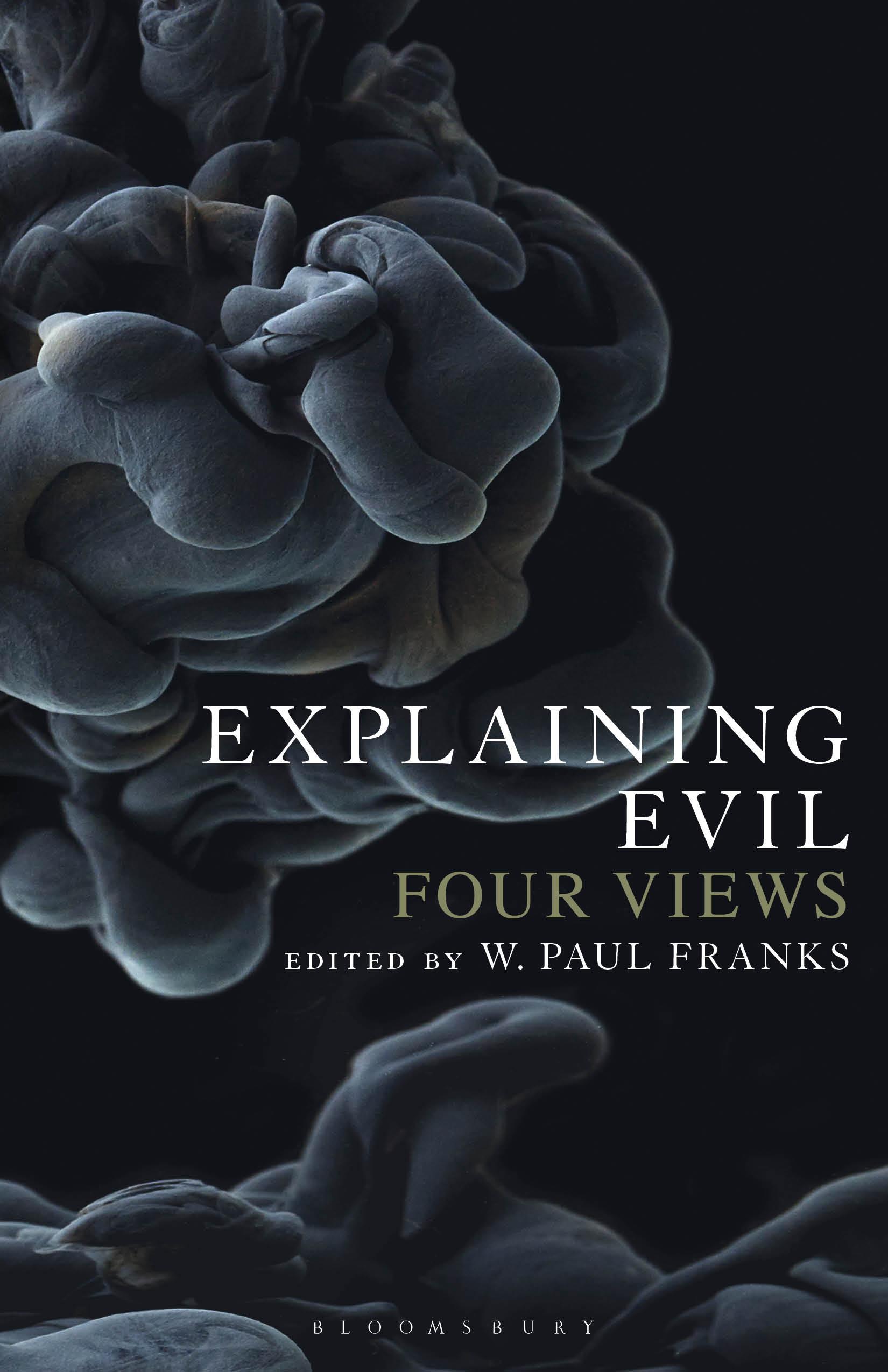
In Explaining Evil four prominent philosophers, two theists and two non-theists, present their arguments for why evil exists. Taking a "position and response" format, in which one philosopher offers an account of evil and three others respond, this book guides readers through the advantages and limitations of various philosophical positions on evil, making it ideal for classroom use as well as individual study.
Divided into four chapters, Explaining Evil covers Theistic Libertarianism, Theistic Compatibilism, Atheistic Moral Realism and Atheistic Moral Non-realism. It features topics including free will, theism, atheism, goodness, Calvinism, evolutionary ethics, and pain, and demonstrates some of the dominant models of thinking within contemporary philosophy of religion and ethics.
Written in accessible prose and with an approachable structure, this book provides a clear and useful overview of the central issues of the philosophy of evil.
Divided into four chapters, Explaining Evil covers Theistic Libertarianism, Theistic Compatibilism, Atheistic Moral Realism and Atheistic Moral Non-realism. It features topics including free will, theism, atheism, goodness, Calvinism, evolutionary ethics, and pain, and demonstrates some of the dominant models of thinking within contemporary philosophy of religion and ethics.
Written in accessible prose and with an approachable structure, this book provides a clear and useful overview of the central issues of the philosophy of evil.
Betal nemt med kort, Klarna, Apple Pay eller Google Pay. Ikke tilfreds? Du har altid 14 dages fortrydelsesret. Læs mere i vores vilkår. Har du spørgsmål, så send os en mail på hello@memmo.org.
Memmo gør det nemmere at studere – uanset hvor du er i verden. Hos os samler du dine kursusbøger og smarte studieværktøjer ét sted: resuméer, quizzer, podcasts og flashcards. Og så er der Ted, din studieven, der svarer på alt, du undrer dig over. Over 50 000 studerende studerer allerede her – bygget til at hjælpe dig med at lære hurtigere og stresse mindre.