
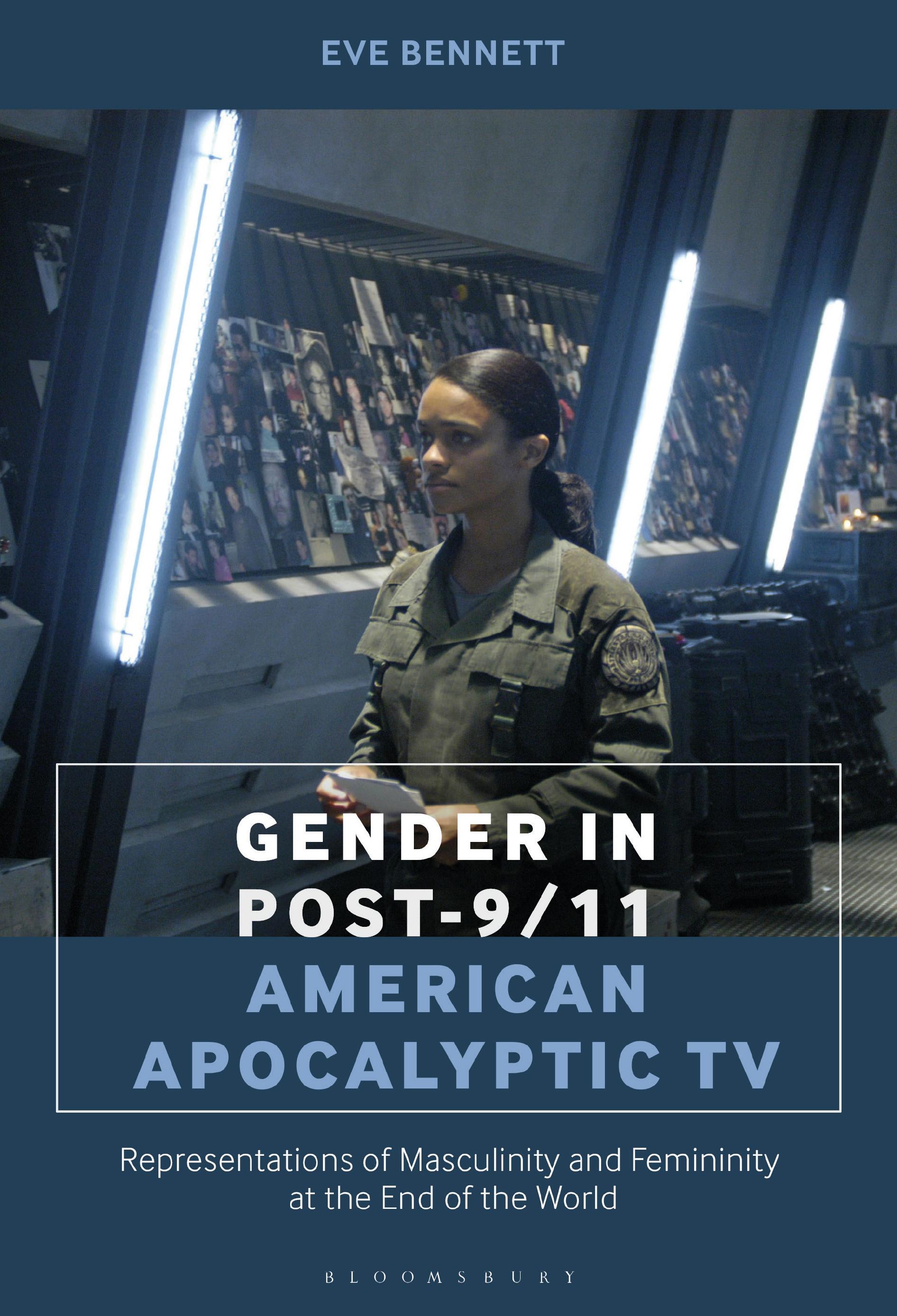
In the years following 9/11, American TV developed a preoccupation with apocalypse. Science fiction and fantasy shows ranging from Firefly to Heroes, from the rebooted Battlestar Galactica to Lost, envisaged scenarios in which world-changing disasters were either threatened or actually took place. During the same period numerous commentators observed that the American media's representation of gender had undergone a marked regression, possibly, it was suggested, as a consequence of the 9/11 attacks and the feelings of weakness and insecurity they engendered in the nation's men.
Eve Bennett investigates whether the same impulse to return to traditional images of masculinity and femininity can be found in the contemporary cycle of apocalyptic series, programmes which, like 9/11 itself, present plenty of opportunity for narratives of damsels-in-distress and heroic male rescuers. However, as this book shows, whether such narratives play out in the expected manner is another matter.
Eve Bennett investigates whether the same impulse to return to traditional images of masculinity and femininity can be found in the contemporary cycle of apocalyptic series, programmes which, like 9/11 itself, present plenty of opportunity for narratives of damsels-in-distress and heroic male rescuers. However, as this book shows, whether such narratives play out in the expected manner is another matter.
Betal nemt med kort, Klarna, Apple Pay eller Google Pay. Ikke tilfreds? Du har altid 14 dages fortrydelsesret. Læs mere i vores vilkår. Har du spørgsmål, så send os en mail på hello@memmo.org.
Memmo gør det nemmere at studere – uanset hvor du er i verden. Hos os samler du dine kursusbøger og smarte studieværktøjer ét sted: resuméer, quizzer, podcasts og flashcards. Og så er der Ted, din studieven, der svarer på alt, du undrer dig over. Over 50 000 studerende studerer allerede her – bygget til at hjælpe dig med at lære hurtigere og stresse mindre.