
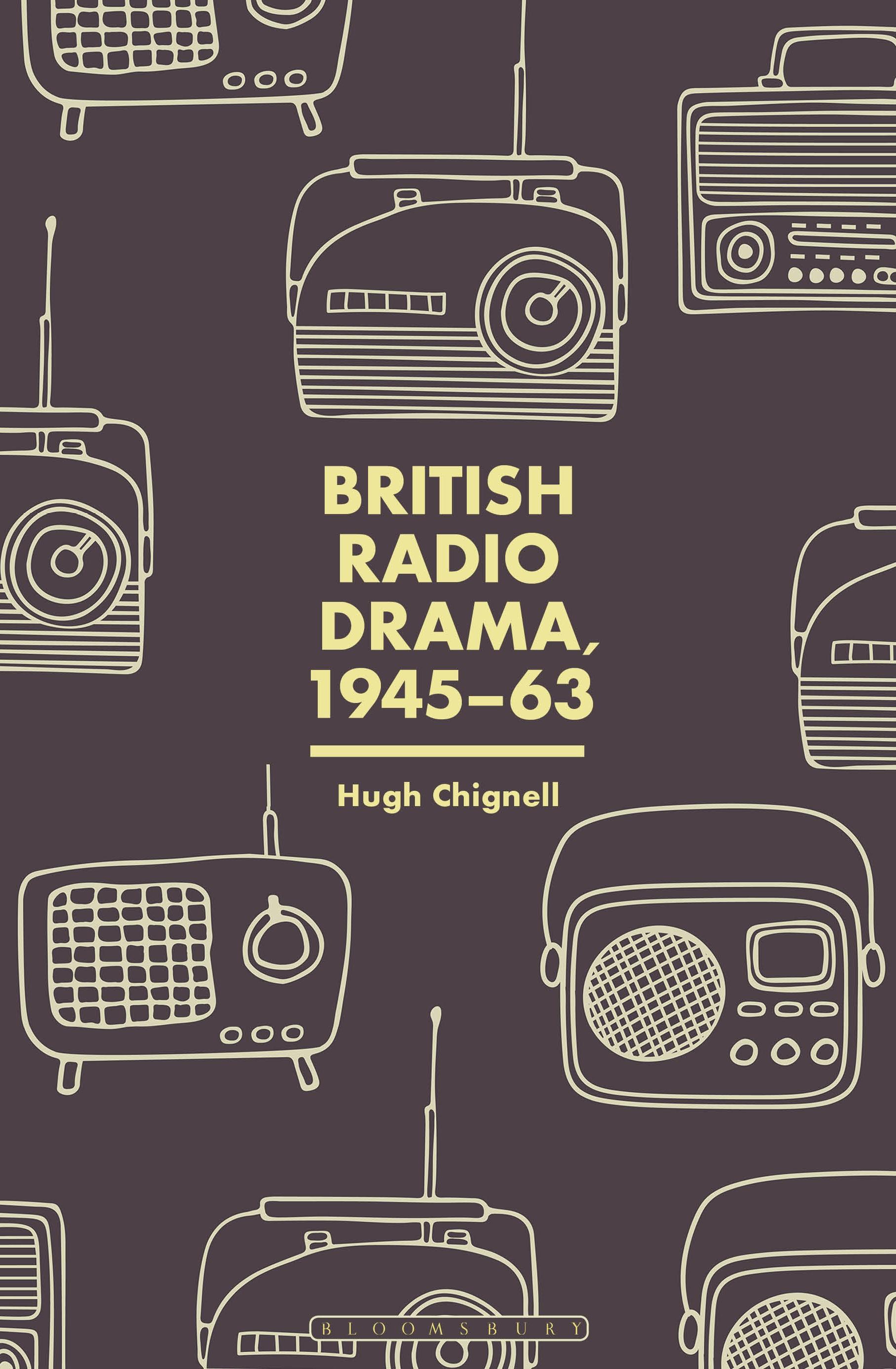
British Radio Drama, 1945-1963 reveals the quality and range of the avant-garde radio broadcasts from the 'golden age' of British radio drama. Turning away from the cautious and conservative programming that emerged in the UK immediately after World War II, young generations of radio producers looked to French theatre, introducing writers such as Samuel Beckett and Eugene Ionesco to British radio audiences. This 'theatre of the absurd' triggered a renaissance of writing and production featuring the work of Giles Cooper, Rhys Adrian and Harold Pinter, as well as the launch of the BBC Radiophonic Workshop.
Based on primary archival research and interviews with former BBC staff, Hugh Chignell places this high-point in the BBC's history in the broader context of British post-war culture, as norms of morality and behavior were re-negotiated in the shadow of the Cold War, while at once establishing the internationalism of post-war radio and theatre.
Based on primary archival research and interviews with former BBC staff, Hugh Chignell places this high-point in the BBC's history in the broader context of British post-war culture, as norms of morality and behavior were re-negotiated in the shadow of the Cold War, while at once establishing the internationalism of post-war radio and theatre.
Betal nemt med kort, Klarna, Apple Pay eller Google Pay. Ikke tilfreds? Du har altid 14 dages fortrydelsesret. Læs mere i vores vilkår. Har du spørgsmål, så send os en mail på hello@memmo.org.
Memmo gør det nemmere at studere – uanset hvor du er i verden. Hos os samler du dine kursusbøger og smarte studieværktøjer ét sted: resuméer, quizzer, podcasts og flashcards. Og så er der Ted, din studieven, der svarer på alt, du undrer dig over. Over 50 000 studerende studerer allerede her – bygget til at hjælpe dig med at lære hurtigere og stresse mindre.