
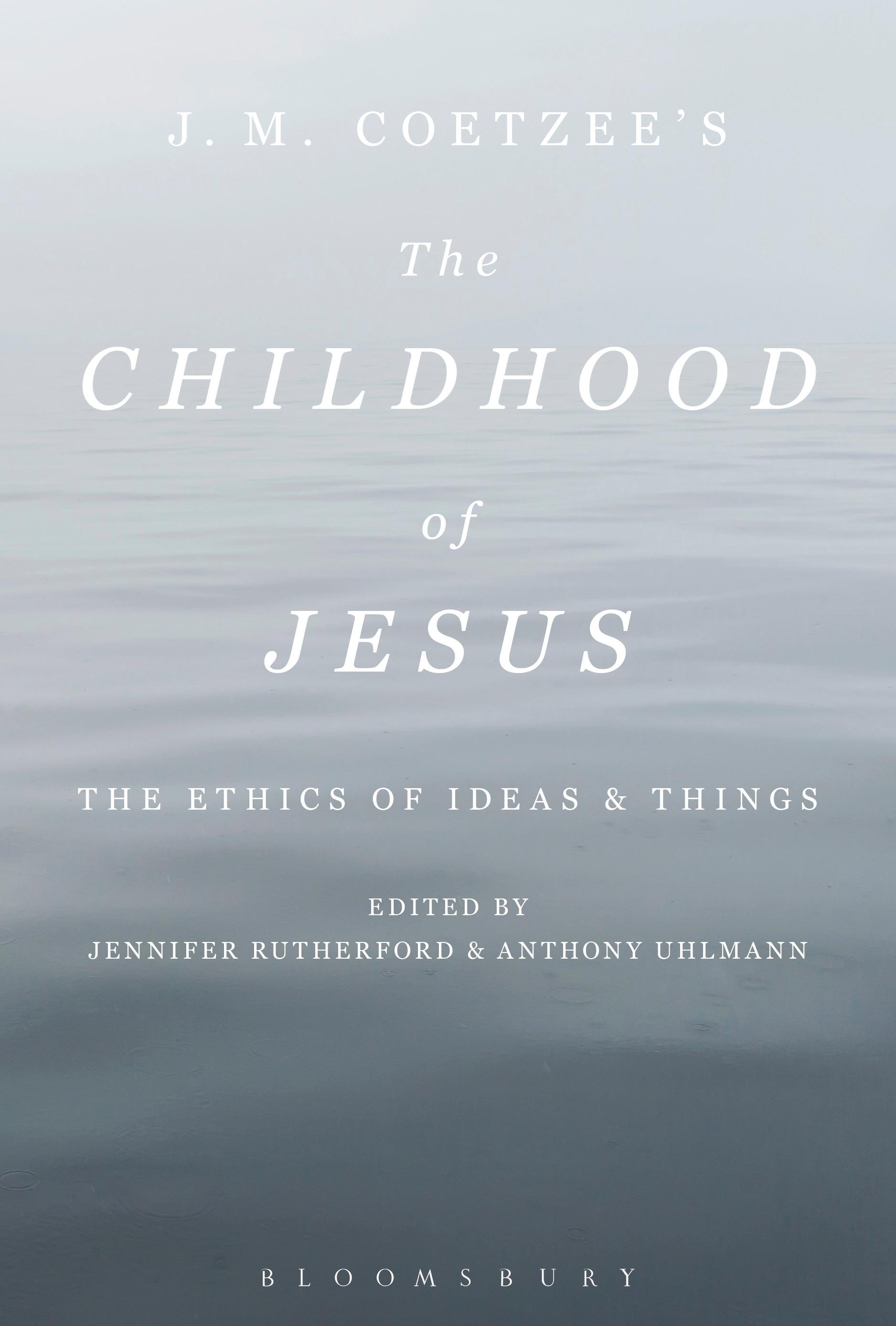
Since the controversy and acclaim that surrounded the publication of Disgrace (1999), the awarding of the Nobel Prize for literature and the publication of Elizabeth Costello: Eight Lessons (both in 2003), J. M. Coetzee's status has begun to steadily rise to the point where he has now outgrown the specialized domain of South African literature. Today he is recognized more simply as one of the most important writers in the English language from the late 20th and early 21st century. Coetzee's productivity and invention has not slowed with old age. The Childhood of Jesus, published in 2013, like Elizabeth Costello, was met with a puzzled reception, as critics struggled to come to terms with its odd setting and structure, its seemingly flat tone, and the strange affectless interactions of its characters. Most puzzling was the central character, David, linked by the title to an idea of Jesus. J.M. Coetzee's The Childhood of Jesus: The Ethics of Ideas and Things is at the forefront of an exciting process of critical engagement with this novel, which has begun to uncover its rich dialogue with philosophy, theology, mathematics, politics, and questions of meaning.
Betal nemt med kort, Klarna, Apple Pay eller Google Pay. Ikke tilfreds? Du har altid 14 dages fortrydelsesret. Læs mere i vores vilkår. Har du spørgsmål, så send os en mail på hello@memmo.org.
Memmo gør det nemmere at studere – uanset hvor du er i verden. Hos os samler du dine kursusbøger og smarte studieværktøjer ét sted: resuméer, quizzer, podcasts og flashcards. Og så er der Ted, din studieven, der svarer på alt, du undrer dig over. Over 50 000 studerende studerer allerede her – bygget til at hjælpe dig med at lære hurtigere og stresse mindre.