
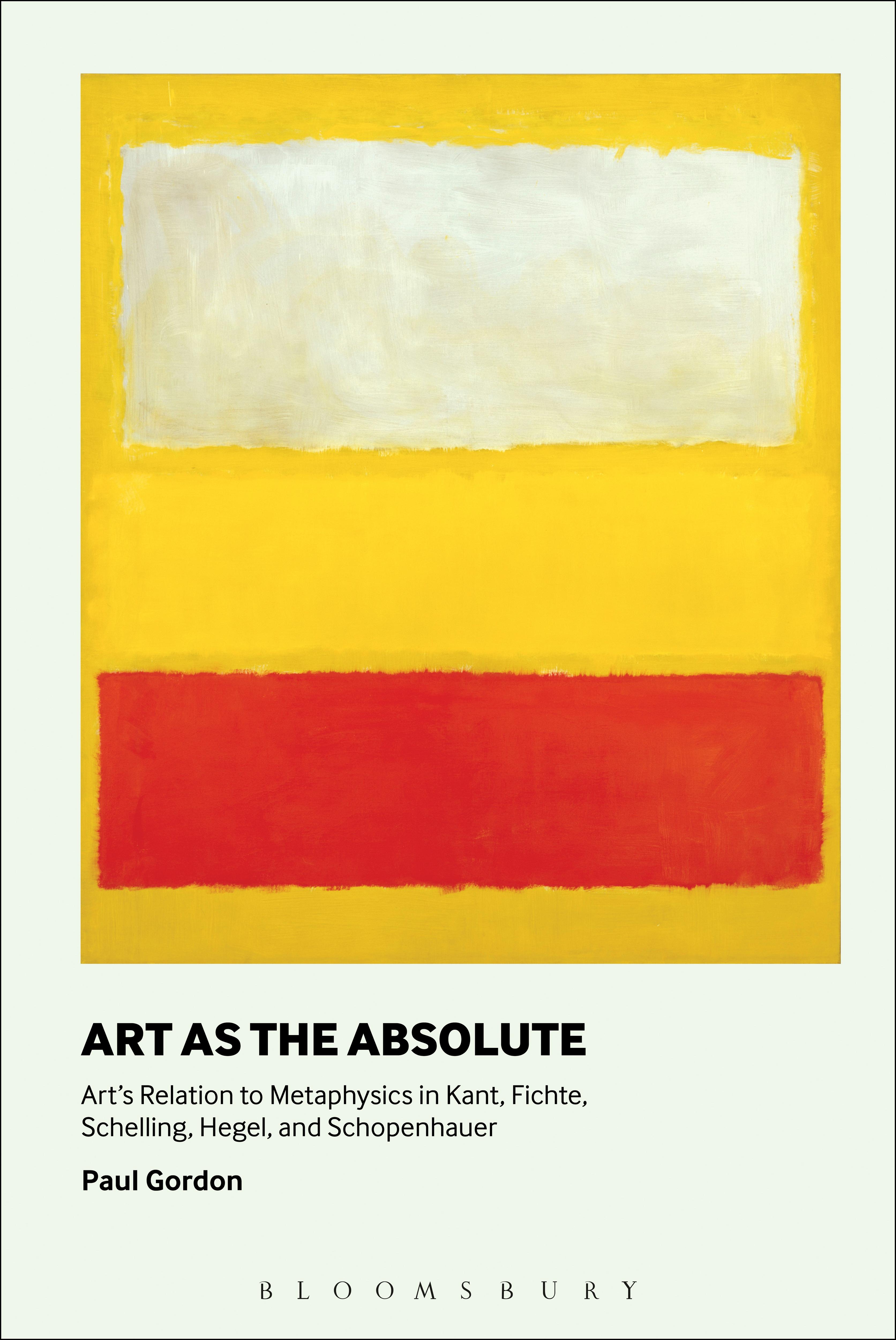
Art as the Absolute is a literary and philosophical investigation into the meaning of art and its claims to truth. Exploring in particular the writings of Kant and those who followed after, including Fichte, Schelling, Hegel, Schopenhauer, and Nietzsche, Paul Gordon contends that art solves the problem of how one can “know” the absolute in non-conceptual, non-discursive terms.
The idea of art's inherent relation to the absolute, first explicitly rendered by Kant, is examined in major works from 1790 to 1823. The first and last chapters, on Plato and Nietzsche respectively, deal with precursors and “post-cursors” of this idea. Gordon shows and seeks to reddress the lack of attention to this idea after Hegel, as well as in contemporary reassessments of this period. Art as the Absolute will be of interest to students and scholars studying aesthetics from both a literary and philosophical perspective.
The idea of art's inherent relation to the absolute, first explicitly rendered by Kant, is examined in major works from 1790 to 1823. The first and last chapters, on Plato and Nietzsche respectively, deal with precursors and “post-cursors” of this idea. Gordon shows and seeks to reddress the lack of attention to this idea after Hegel, as well as in contemporary reassessments of this period. Art as the Absolute will be of interest to students and scholars studying aesthetics from both a literary and philosophical perspective.
Betal nemt med kort, Klarna, Apple Pay eller Google Pay. Ikke tilfreds? Du har altid 14 dages fortrydelsesret. Læs mere i vores vilkår. Har du spørgsmål, så send os en mail på hello@memmo.org.
Memmo gør det nemmere at studere – uanset hvor du er i verden. Hos os samler du dine kursusbøger og smarte studieværktøjer ét sted: resuméer, quizzer, podcasts og flashcards. Og så er der Ted, din studieven, der svarer på alt, du undrer dig over. Over 50 000 studerende studerer allerede her – bygget til at hjælpe dig med at lære hurtigere og stresse mindre.