
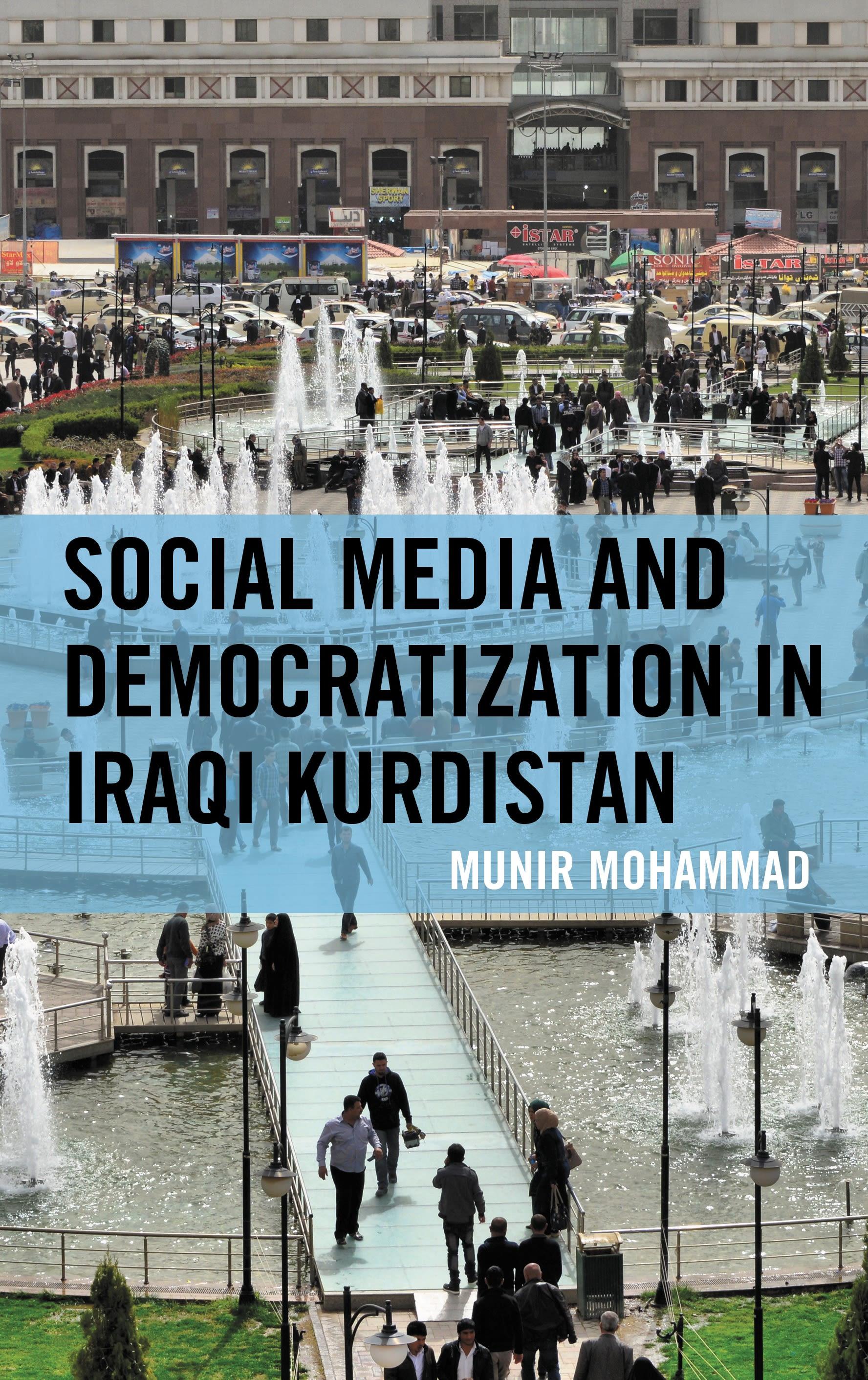
Social Media and Democratization in Iraqi Kurdistan assesses the implications of social media usage for democratization in the context of Iraqi Kurdistan. A considerable number of studies examine the impact of social media on the practice of democracy in liberal democratic contexts and on the democratization process in nondemocratic contexts. However, little is known about the rise and implications of using the Internet and social media platforms for democratization processes in a hybrid political system, like that of Iraqi Kurdistan, which combines elements of both democracy and authoritarianism. The author investigates the use of social media platforms by citizens, politicians, electoral candidates, and political parties, and its significance for political participation and political communication, which are selected as important elements of democratization. Based on original qualitative research, including interviews with activists, politicians, and party leaders, and an analysis of relevant social media content in the Kurdish language, especially on the social media platform, Facebook, the author argues that rather than the increase in online political participation and political communication contributing to the consolidation of democracy in the Kurdish nascent democracy, it is increasing political polarization, exacerbating incivility of political discourse and enabling monitoring of opposition forces by the authorities.
Betal nemt med kort, Klarna, Apple Pay eller Google Pay. Ikke tilfreds? Du har altid 14 dages fortrydelsesret. Læs mere i vores vilkår. Har du spørgsmål, så send os en mail på hello@memmo.org.
Memmo gør det nemmere at studere – uanset hvor du er i verden. Hos os samler du dine kursusbøger og smarte studieværktøjer ét sted: resuméer, quizzer, podcasts og flashcards. Og så er der Ted, din studieven, der svarer på alt, du undrer dig over. Over 50 000 studerende studerer allerede her – bygget til at hjælpe dig med at lære hurtigere og stresse mindre.