
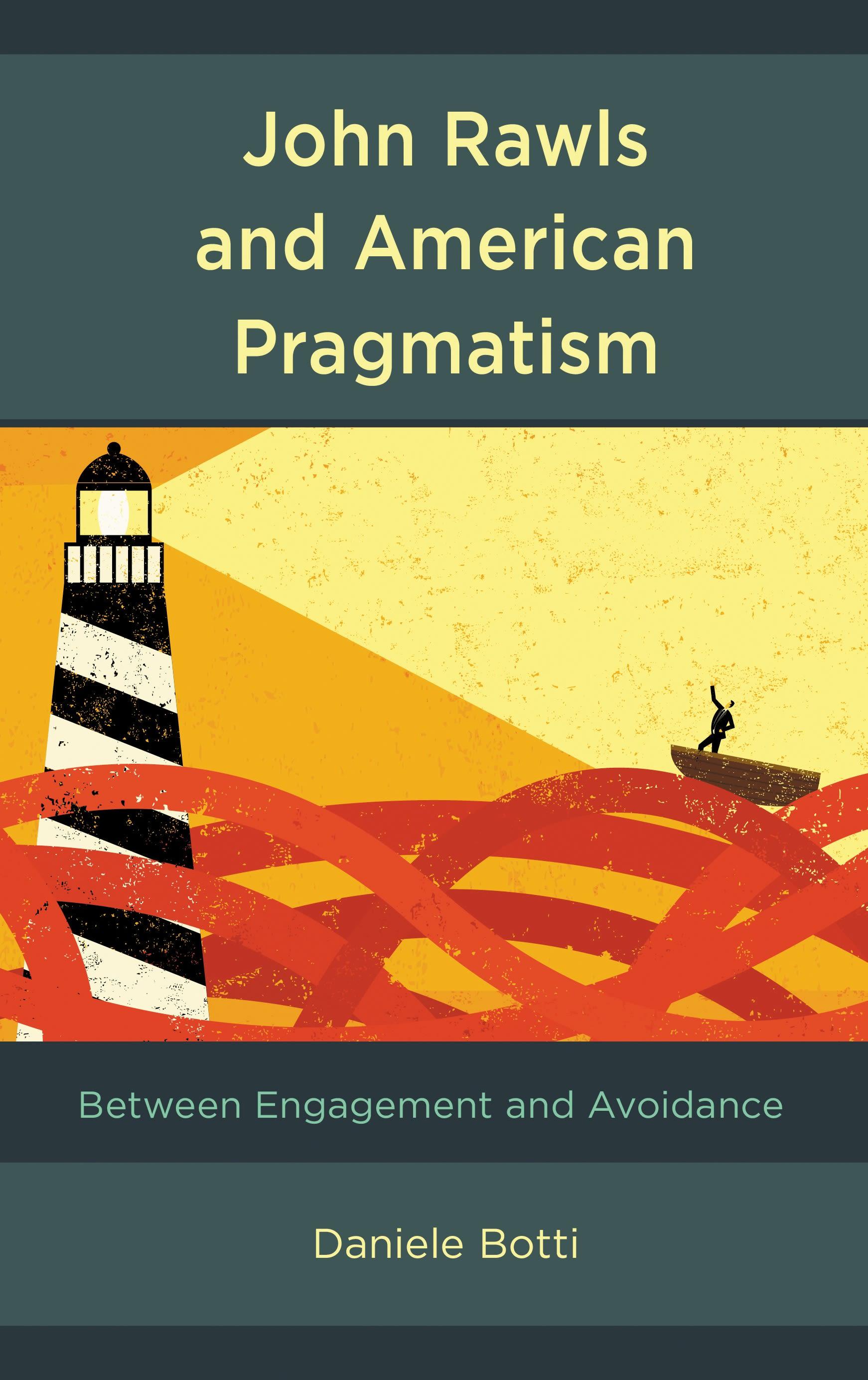
The textual and contextual connections between John Rawls's intellectual figure and American pragmatism (broadly conceived) have become topics of discussion only recently. This is at least in part due to the fact that Rawls seemed to have taken a "pragmatic turn" in his intellectual trajectory—from A Theory of Justice (1971) to Political Liberalism (1993). John Rawls and American Pragmatism: Between Engagement and Avoidance intervenes in these discussions with two unconventional claims corroborated by archival research. First, Daniele Botti shows that Rawls's thinking owes more to the American pragmatists' views than is generally recognized. Second, and in the light of the pragmatist sources of Rawls's thinking, Botti argues that we should reverse the common narrative about Rawls's alleged pragmatic turn and interpret it as a quite "un-pragmatic" one. By making the case for interpreting Rawls as an American pragmatist, this book profoundly transforms not only a widely held interpretation about Rawls's intellectual trajectory, but also our understanding of American philosophical vicissitude in the second half of the twentieth century.
Betal nemt med kort, Klarna, Apple Pay eller Google Pay. Ikke tilfreds? Du har altid 14 dages fortrydelsesret. Læs mere i vores vilkår. Har du spørgsmål, så send os en mail på hello@memmo.org.
Memmo gør det nemmere at studere – uanset hvor du er i verden. Hos os samler du dine kursusbøger og smarte studieværktøjer ét sted: resuméer, quizzer, podcasts og flashcards. Og så er der Ted, din studieven, der svarer på alt, du undrer dig over. Over 50 000 studerende studerer allerede her – bygget til at hjælpe dig med at lære hurtigere og stresse mindre.