
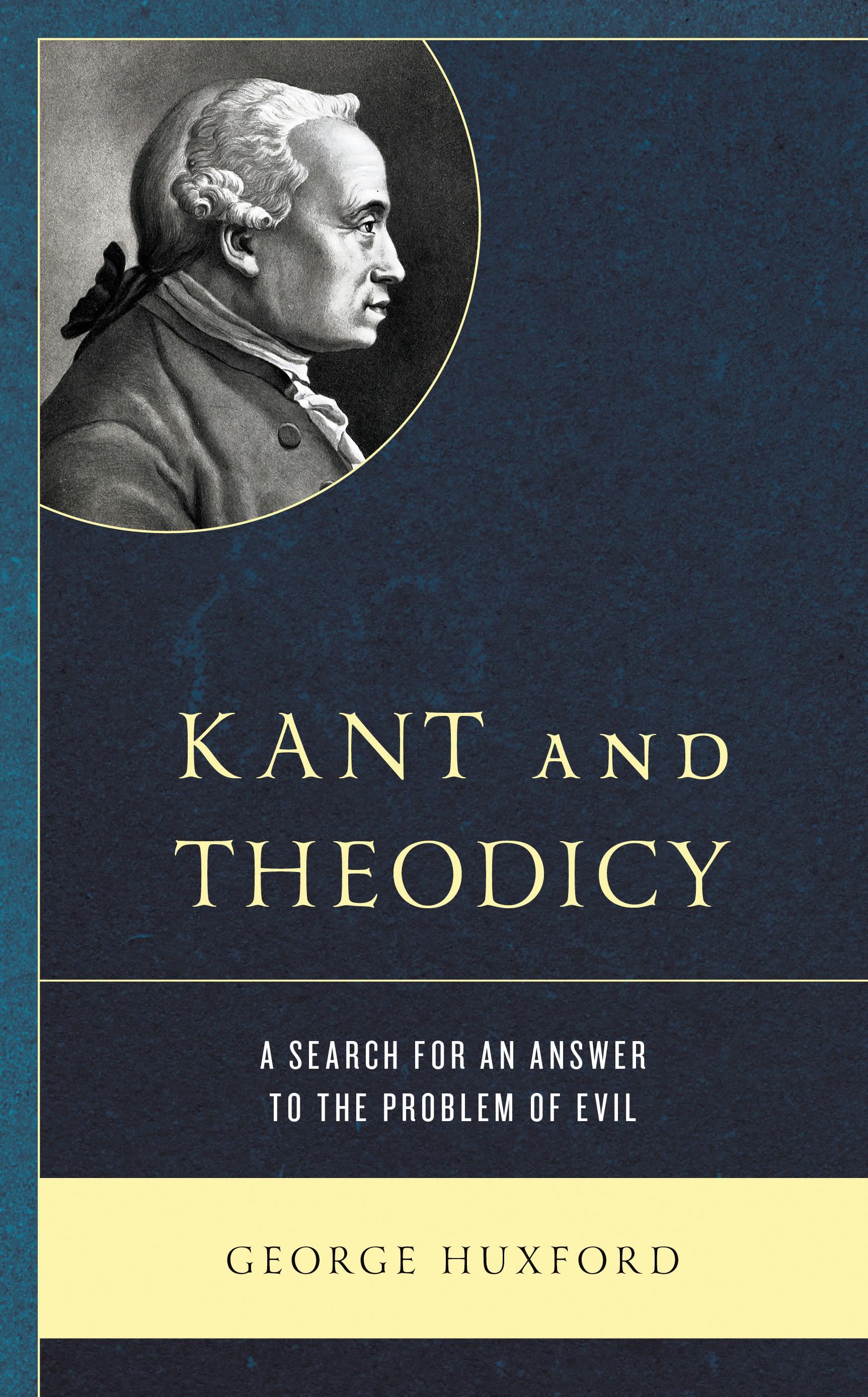
In Kant and Theodicy: A Search for an Answer to the Problem of Evil, George Huxford proves that Kant’s engagement with theodicy was career-long and not confined to his short 1791 treatise that dealt explicitly with the subject. Huxford treats Kant’s developing thought on theodicy in three periods: pre-Critical (exploration), early-Critical (transition), and late-Critical (conclusion). Illustrating the advantage of approaching Kant through this framework, Huxford argues that Kant’s stance developed through his career into his own unique authentic theodicy; Kant rejected philosophical theodicies based on theoretical/speculative reason but advanced authentic theodicy grounded in practical reason, finding a middle ground between philosophical theodicy and fideism, both of which he rejected. Nevertheless, Huxford concludes that Kant’s authentic theodicy fails because it fails to meet his own definition of a theodicy.
Betal nemt med kort, Klarna, Apple Pay eller Google Pay. Ikke tilfreds? Du har altid 14 dages fortrydelsesret. Læs mere i vores vilkår. Har du spørgsmål, så send os en mail på hello@memmo.org.
Memmo gør det nemmere at studere – uanset hvor du er i verden. Hos os samler du dine kursusbøger og smarte studieværktøjer ét sted: resuméer, quizzer, podcasts og flashcards. Og så er der Ted, din studieven, der svarer på alt, du undrer dig over. Over 50 000 studerende studerer allerede her – bygget til at hjælpe dig med at lære hurtigere og stresse mindre.