
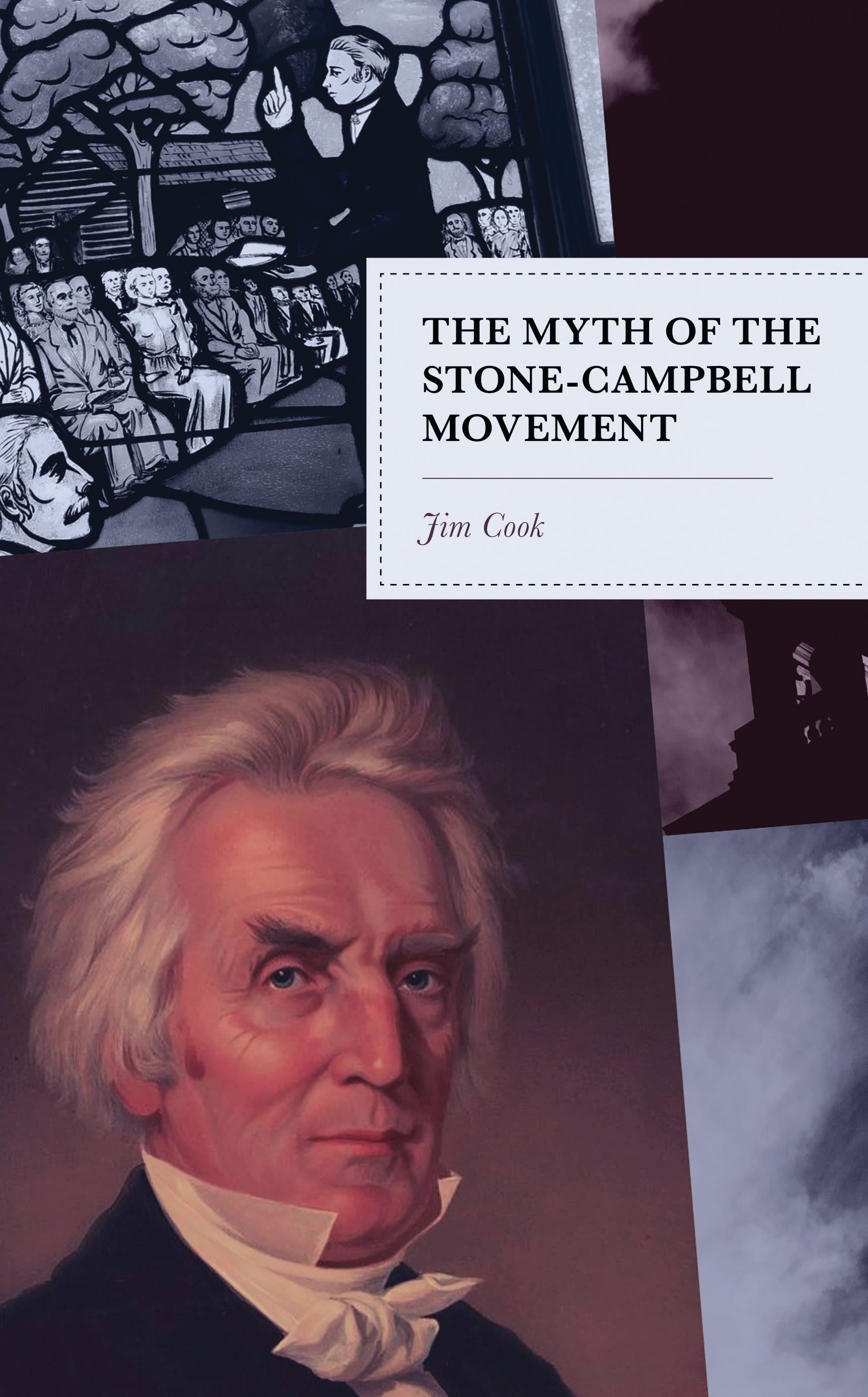
The Stone-Campbell Movement was created in 1832 when Barton Stone’s “Christ-ians” from the West merged with Alexander Campbell’s “Reforming Baptists.” By the beginning of the Civil War it was the sixth largest religious movement in the United States, and in the twentieth century the movement split into the three main branches that exist today. In recent years, scholars from these branches have worked to better understand their nineteenth-century roots, creating the historical sub-field “restoration history” in which historians and other scholars debate the influence of Stone and Campbell on specific characteristics of the existing branches.
Bringing new insight into that debate, Jim Cook uses the writings of both Stone and Campbell to show that Stone was not a viable leader of the movement after 1832 and that his ideas were not part of what influenced the twentieth-century branches of the movement. This study demonstrates that the debates going on between “restoration historians” are thus predicated on the false assumption that Stone influenced people within his movements and proves that Stone was an outsider in the movement that bears his name.
Bringing new insight into that debate, Jim Cook uses the writings of both Stone and Campbell to show that Stone was not a viable leader of the movement after 1832 and that his ideas were not part of what influenced the twentieth-century branches of the movement. This study demonstrates that the debates going on between “restoration historians” are thus predicated on the false assumption that Stone influenced people within his movements and proves that Stone was an outsider in the movement that bears his name.
Betal nemt med kort, Klarna, Apple Pay eller Google Pay. Ikke tilfreds? Du har altid 14 dages fortrydelsesret. Læs mere i vores vilkår. Har du spørgsmål, så send os en mail på hello@memmo.org.
Memmo gør det nemmere at studere – uanset hvor du er i verden. Hos os samler du dine kursusbøger og smarte studieværktøjer ét sted: resuméer, quizzer, podcasts og flashcards. Og så er der Ted, din studieven, der svarer på alt, du undrer dig over. Over 50 000 studerende studerer allerede her – bygget til at hjælpe dig med at lære hurtigere og stresse mindre.