
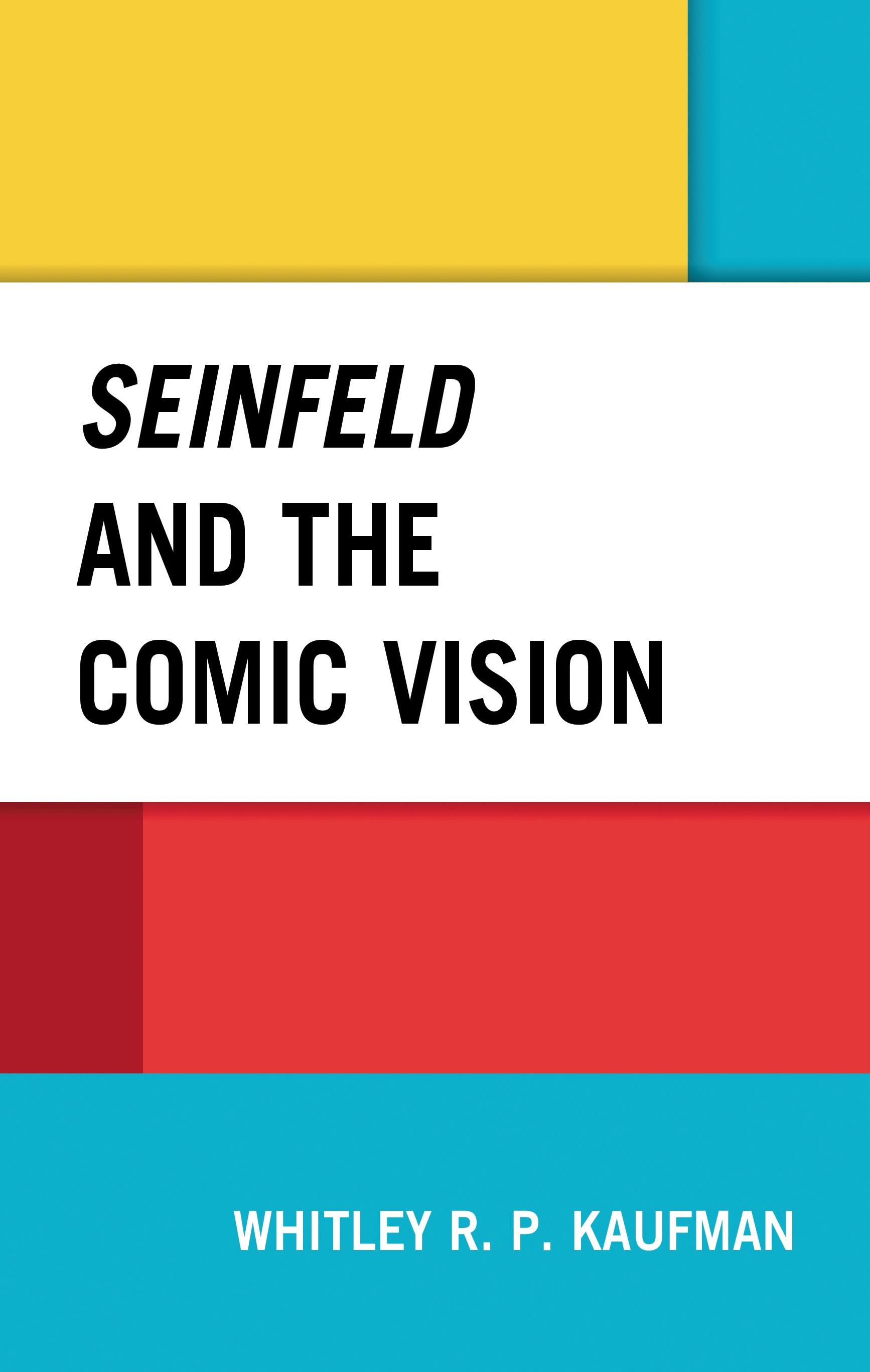
Seinfeld and the Comic Vision analyzes the television situation comedy Seinfeld to form a theory of comedy—the comic vision—arguing thatcomedy should not be seen merely as entertainment, but deserves to be taken seriously as expressing a philosophical worldview. Whitley Kaufman demonstrates how in Seinfeld, and in comedy on a larger scale, characters are given license to violate social norms and to fail to live up to societal ideals in a way that shows they remain fundamentally decent people. Kaufman examines how comedy can be seen as a celebration of the “lower” aspects of human nature—our more animal or bodily side—but argues that the comic vision is not cynical or pessimistic, but rather fundamentally affirmative of human nature and of life, despite the many human limitations. Scholars of television studies, media studies, pop culture, and philosophy will find this book particularly useful.
Betal nemt med kort, Klarna, Apple Pay eller Google Pay. Ikke tilfreds? Du har altid 14 dages fortrydelsesret. Læs mere i vores vilkår. Har du spørgsmål, så send os en mail på hello@memmo.org.
Memmo gør det nemmere at studere – uanset hvor du er i verden. Hos os samler du dine kursusbøger og smarte studieværktøjer ét sted: resuméer, quizzer, podcasts og flashcards. Og så er der Ted, din studieven, der svarer på alt, du undrer dig over. Over 50 000 studerende studerer allerede her – bygget til at hjælpe dig med at lære hurtigere og stresse mindre.