
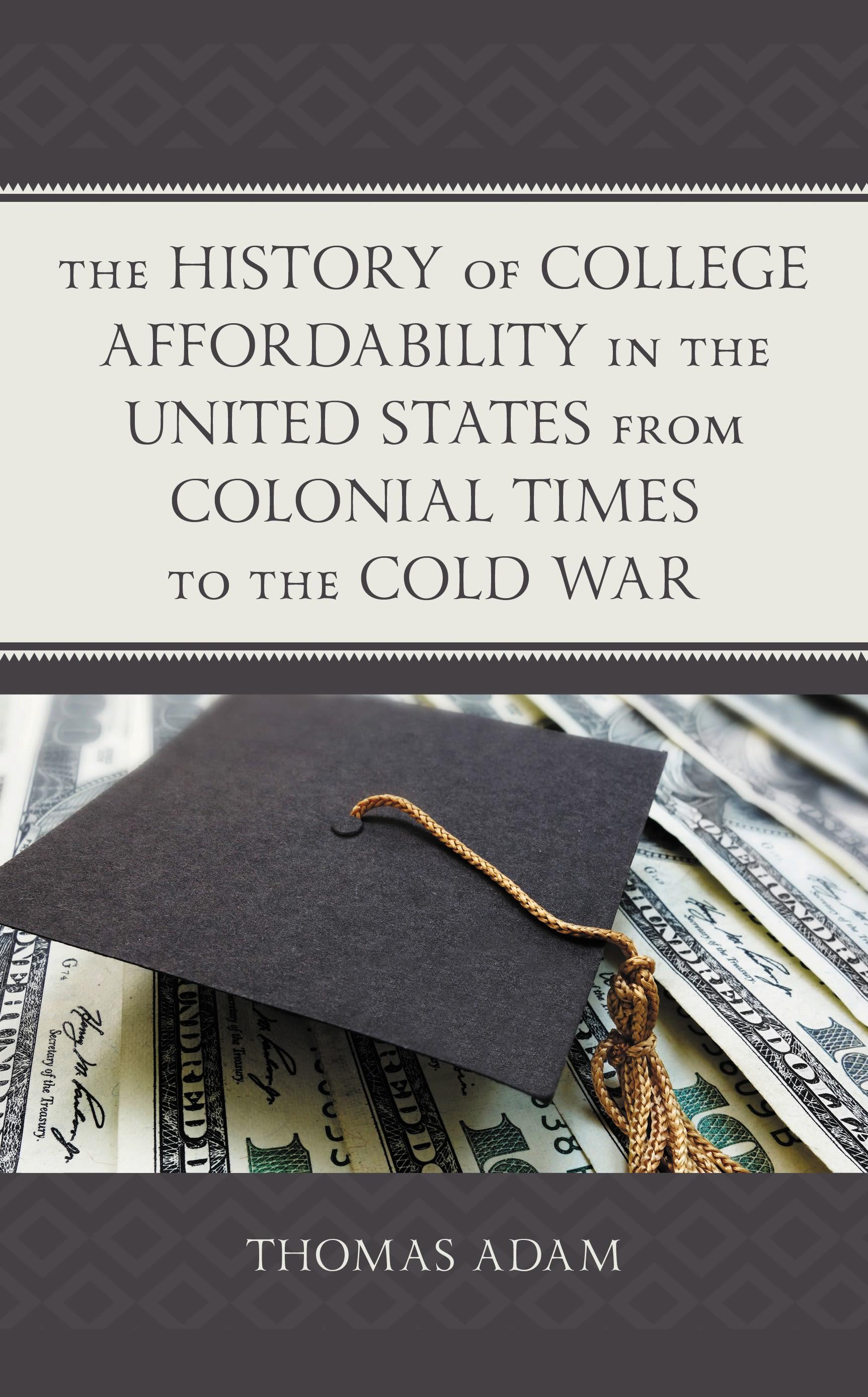
This book examines how tuition and student loans became an accepted part of college costs in the first half of the twentieth century. The author argues that college was largely free to nineteenth-century college students since local and religious communities, donors, and the state agreed to pay the tuition bill with the expectation that the students would serve society upon graduation. College education was essentially considered a public good. This arrangement ended after 1900. The increasing secularization and professionalization of college education as well as changes in the socio-economic composition of the student body—which included more and more students from well-off families—caused educators, college administrators, and donors to argue that students pursued a college degree for their own advancement and therefore should be made to pay for it. Students were expected to pay tuition themselves and to take out student loans in order to fund their education.
Betal nemt med kort, Klarna, Apple Pay eller Google Pay. Ikke tilfreds? Du har altid 14 dages fortrydelsesret. Læs mere i vores vilkår. Har du spørgsmål, så send os en mail på hello@memmo.org.
Memmo gør det nemmere at studere – uanset hvor du er i verden. Hos os samler du dine kursusbøger og smarte studieværktøjer ét sted: resuméer, quizzer, podcasts og flashcards. Og så er der Ted, din studieven, der svarer på alt, du undrer dig over. Over 50 000 studerende studerer allerede her – bygget til at hjælpe dig med at lære hurtigere og stresse mindre.