
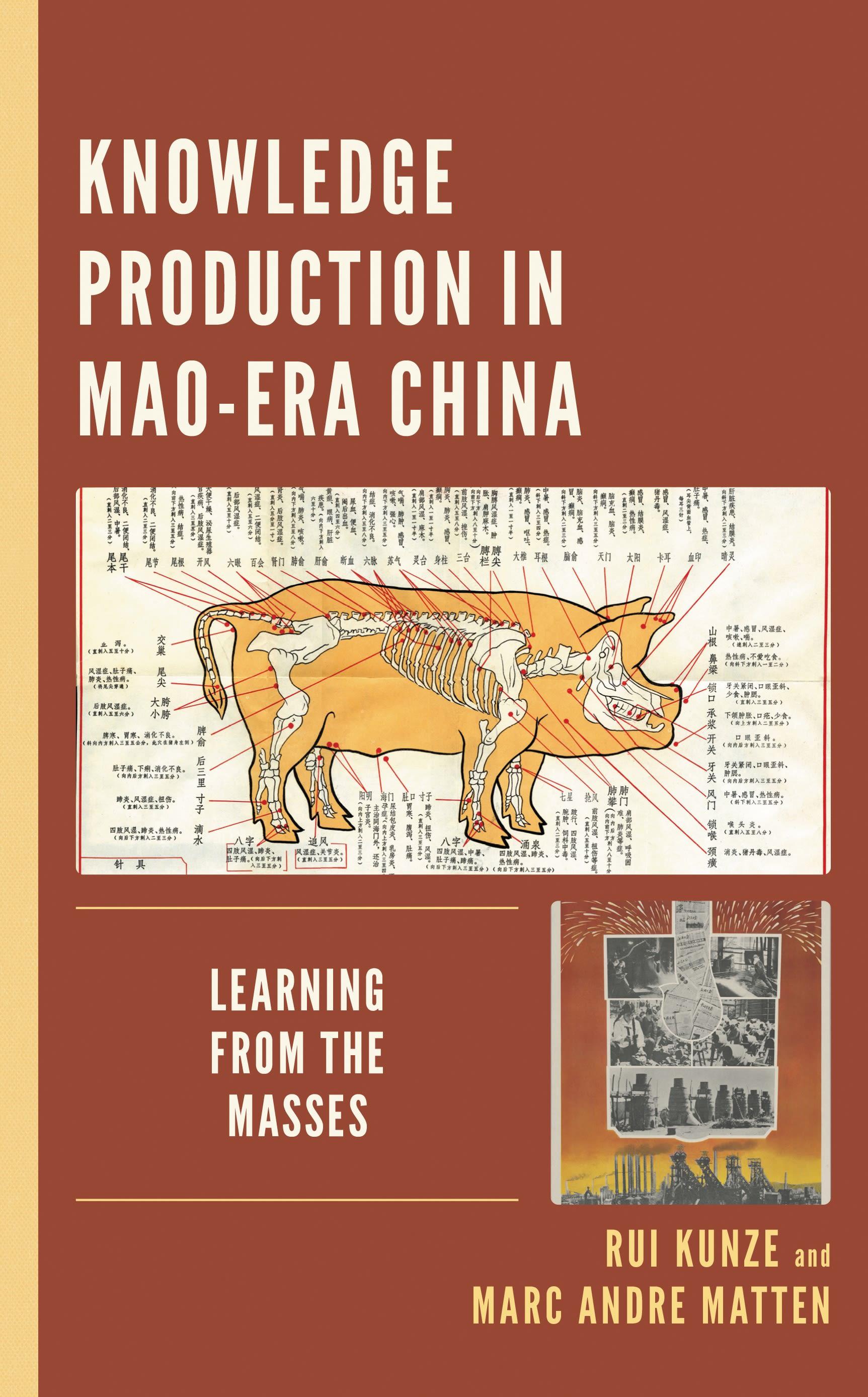
This book traces and analyzes the transformation of the public discourse of science and technology in Mao-era China. Based on extensive primary sources such as science dissemination materials and technical handbooks, as well as mass media products of the Great Leap Forward and the Cultural Revolution periods, this book delineates the emergence of a pragmatic approach to knowledge in society. To achieve the goal of fast modernization with limited financial, human, and material resources, the party-state accommodated Western and local, "modern" and "traditional" knowledges in the fields of agricultural mechanization, steel production and Chinese veterinary medicine. The case studies demonstrate that scientific knowledge production in the Mao-era included various social groups and was entangled with political and cultural issues. This reveals and explains the continuity of scientific thinking across the historical divides of 1949 and 1978, which has hitherto been underestimated.
Betal nemt med kort, Klarna, Apple Pay eller Google Pay. Ikke tilfreds? Du har altid 14 dages fortrydelsesret. Læs mere i vores vilkår. Har du spørgsmål, så send os en mail på hello@memmo.org.
Memmo gør det nemmere at studere – uanset hvor du er i verden. Hos os samler du dine kursusbøger og smarte studieværktøjer ét sted: resuméer, quizzer, podcasts og flashcards. Og så er der Ted, din studieven, der svarer på alt, du undrer dig over. Over 50 000 studerende studerer allerede her – bygget til at hjælpe dig med at lære hurtigere og stresse mindre.