
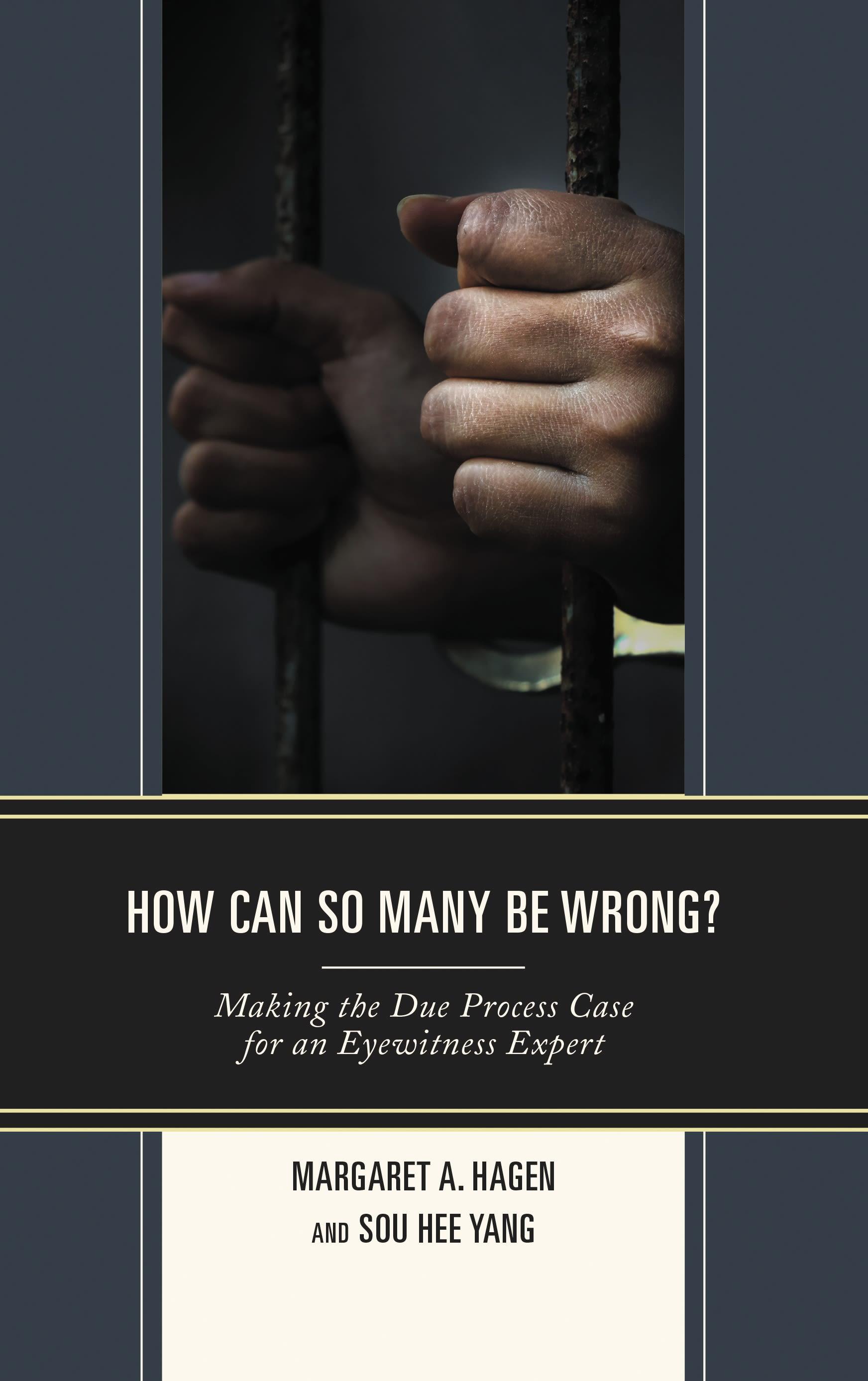
Of the 347 U.S. false criminal convictions overturned so far through DNA testing, 73 percent were based on erroneous eyewitness testimony. How could so many eyewitnesses be wrong? This book answers this question. The analysis of the U.S. Supreme Court eyewitness cases shows that most of the Court’s holdings were likely in error. The Court—like the judges and juries in the courts below—greatly overestimated the reliability of eyewitnesses against the defendants and decided their convictions based on unsound evidence. The facts of the cases and personalities of the defendants are engaging and compelling. An expert is needed to inform the judge and the jury of the circumstances to consider when weighing the testimony of the witness against the facts of the case. It is a clear violation of Due Process to deny the defendant the provision of an expert witness in all cases where the eyewitness testimony lacks corroboration. Research assessing both cross-examination and jury instructions makes it abundantly clear that neither can effectively provide courts with the counterintuitive information necessary to evaluate eyewitness reliability: denial of an expert is denial of Due Process.
Betal nemt med kort, Klarna, Apple Pay eller Google Pay. Ikke tilfreds? Du har altid 14 dages fortrydelsesret. Læs mere i vores vilkår. Har du spørgsmål, så send os en mail på hello@memmo.org.
Memmo gør det nemmere at studere – uanset hvor du er i verden. Hos os samler du dine kursusbøger og smarte studieværktøjer ét sted: resuméer, quizzer, podcasts og flashcards. Og så er der Ted, din studieven, der svarer på alt, du undrer dig over. Over 50 000 studerende studerer allerede her – bygget til at hjælpe dig med at lære hurtigere og stresse mindre.