
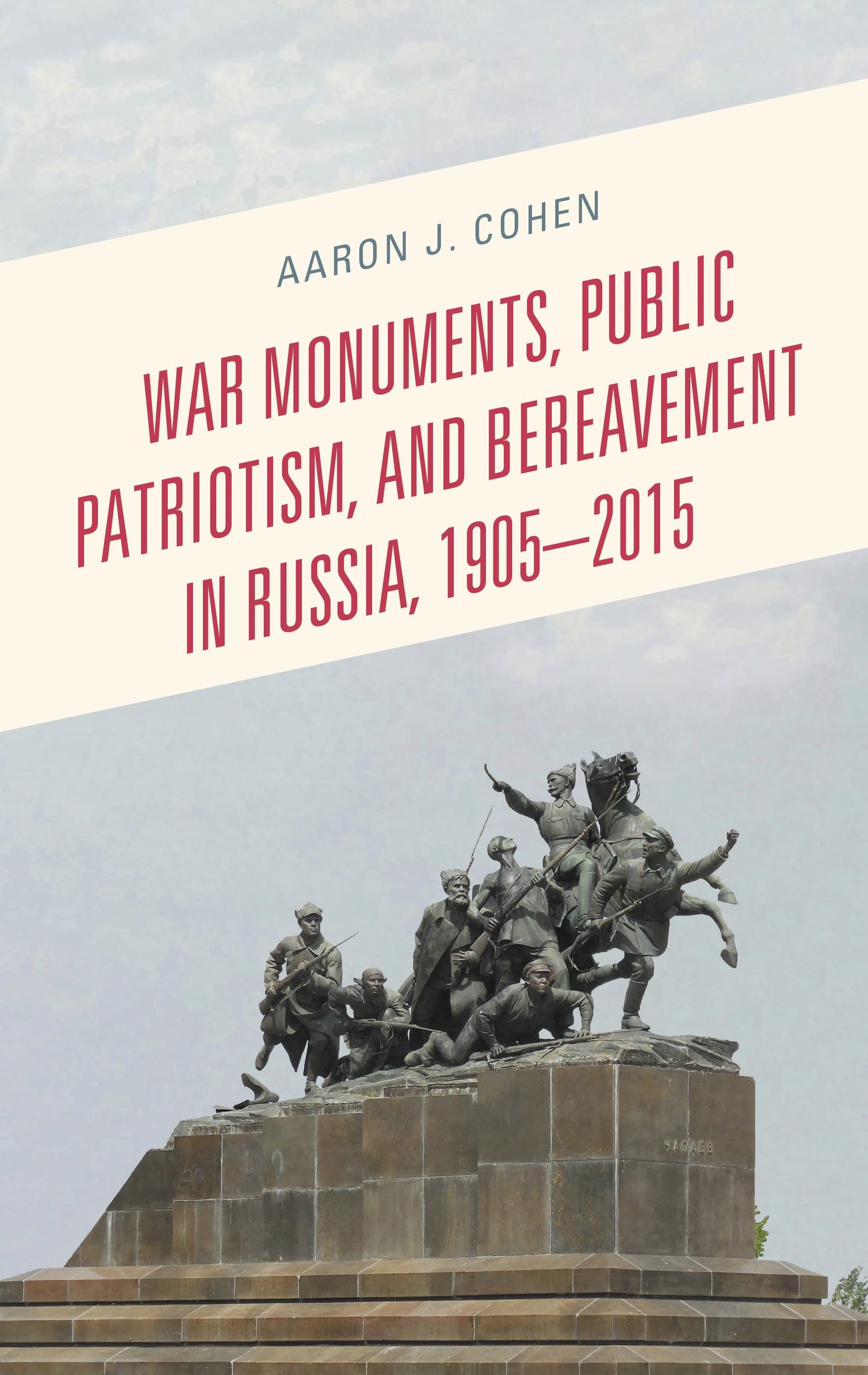
This study analyzes how public bereavement became cemented into the broad geography of Russian culture with the appearance of experiential and local memorials in the 1960s after a half century of instability, contestation, and absence. The author shows how monument builders responded to a need from the population to share an accessible war experience apart from the exclusive Bolshevik memorial culture. He argues that this development of war commemoration has amplified the role of war hero memorialization as an anchor of public stability and social solidarity in Putin’s Russia, where there is little consensus about the past, present, or future.
Betal nemt med kort, Klarna, Apple Pay eller Google Pay. Ikke tilfreds? Du har altid 14 dages fortrydelsesret. Læs mere i vores vilkår. Har du spørgsmål, så send os en mail på hello@memmo.org.
Memmo gør det nemmere at studere – uanset hvor du er i verden. Hos os samler du dine kursusbøger og smarte studieværktøjer ét sted: resuméer, quizzer, podcasts og flashcards. Og så er der Ted, din studieven, der svarer på alt, du undrer dig over. Over 50 000 studerende studerer allerede her – bygget til at hjælpe dig med at lære hurtigere og stresse mindre.