
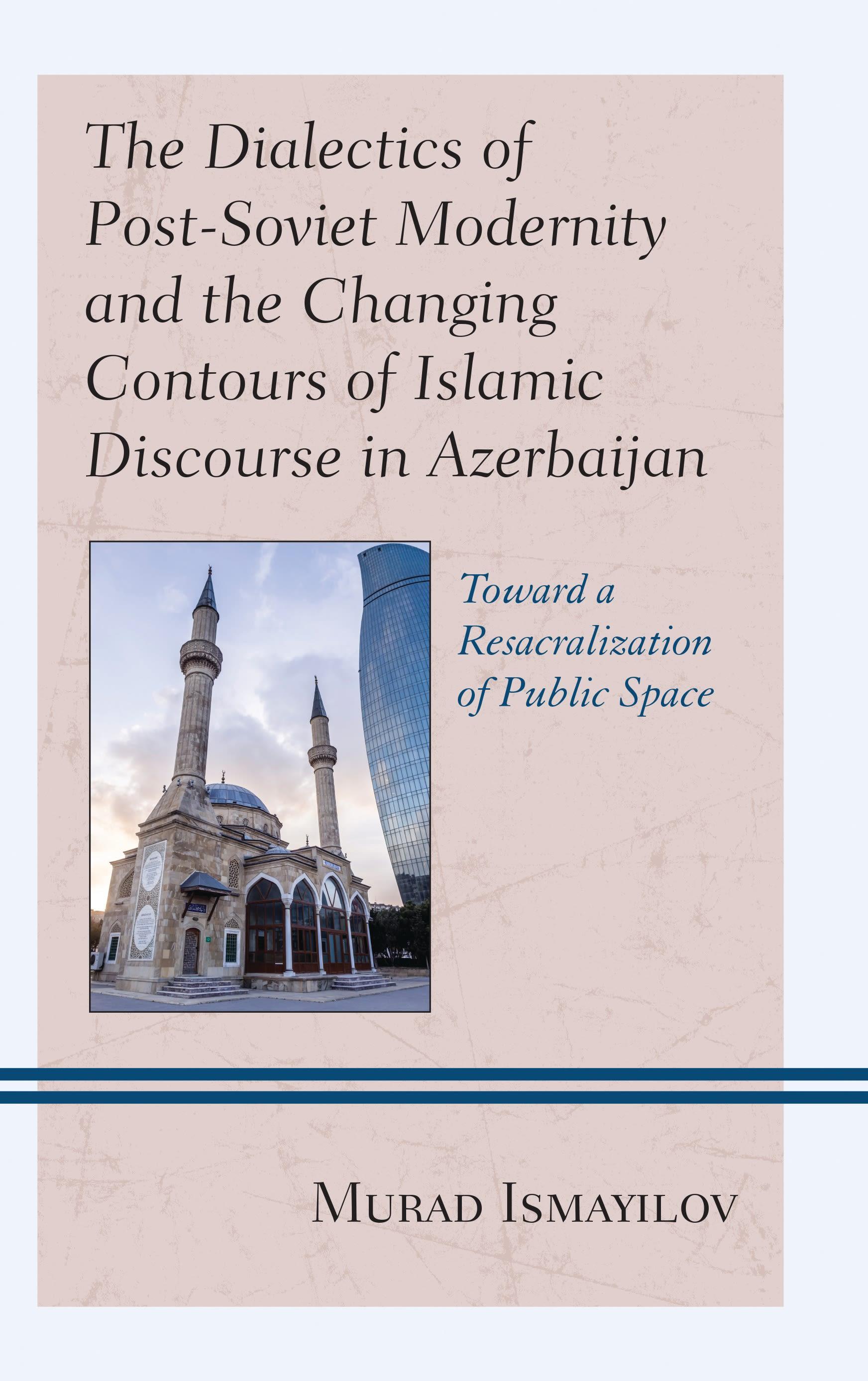
Azerbaijan’s independence came after seven decades of militant atheism of Soviet modernization project and emerged into staunch secularism of Western modernity, two factors that, on a par with the country’s precarious neighborhood, promised a sustained indigenous effort towards the desacralization of the country’s political space and the associated exclusion of religion from politics, a modern blueprint that the Azerbaijani state and its society have stood united to diligently follow over the cause of the country’s independent existence. Yet the specific dynamics facing the country in the third decade of independence and the changing contours of its international engagements have gradually been working to set the country free from the stifling grips of Western-style modernity and lay the groundwork for quintessentially and esoterically Azerbaijani pathway of statehood to follow, one combining the nation’s historical embeddedness in an Islamic milieu with its century-old practical experience of modern policy making.
This book offers a detailed account of the dynamics behind the religious-secular divide in Azerbaijan over the past two decades of independence and the conditions underlying the ongoing process of normalization of Islamic discourse and the rising cooperation across the country’s secular-religious political landscape and looks into some future dynamics this transformation is set to unleash. It begins with an outline of hybrid intentionality behind the elite’s manifold attitudes to Islam, with particular focus on the strategy of separation between religion and politics in which those attitudes have found expression. It then proceeds to show the complicity of civil society and the broader populace, as well as the international community and the country’s Islamic stratum itself, in the reproduction of the narrative of Islamic danger and the resultant religious-secular divide in post-Soviet Azerbaijan. The study then continues with an account of a number of dialectical tensions inherent in policy outcomes to which the hybrid nature of elite intentionality has given rise. It then follows on to discuss key factors contributing to the ongoing normalization of Islam across the public realm and the gradual bridging of the religious-secular divide amidst the ongoing state repression. The volume concludes with a comparative insight into some common features and conditioning factors behind the dynamics underlying the religious-secular nexus in Azerbaijan and across the broader region of the Middle East. It also offers an insight into some future potentialities that the current dynamics have laid bare.
This book offers a detailed account of the dynamics behind the religious-secular divide in Azerbaijan over the past two decades of independence and the conditions underlying the ongoing process of normalization of Islamic discourse and the rising cooperation across the country’s secular-religious political landscape and looks into some future dynamics this transformation is set to unleash. It begins with an outline of hybrid intentionality behind the elite’s manifold attitudes to Islam, with particular focus on the strategy of separation between religion and politics in which those attitudes have found expression. It then proceeds to show the complicity of civil society and the broader populace, as well as the international community and the country’s Islamic stratum itself, in the reproduction of the narrative of Islamic danger and the resultant religious-secular divide in post-Soviet Azerbaijan. The study then continues with an account of a number of dialectical tensions inherent in policy outcomes to which the hybrid nature of elite intentionality has given rise. It then follows on to discuss key factors contributing to the ongoing normalization of Islam across the public realm and the gradual bridging of the religious-secular divide amidst the ongoing state repression. The volume concludes with a comparative insight into some common features and conditioning factors behind the dynamics underlying the religious-secular nexus in Azerbaijan and across the broader region of the Middle East. It also offers an insight into some future potentialities that the current dynamics have laid bare.
Sider: 194
Kategori: Samhällsvetenskap
e-ISBN: 9781498568371
Forsendelsesvægt: 1.2 kg
Sendes inden for: 1-2 dage
Betal nemt med kort, Klarna, Apple Pay eller Google Pay. Ikke tilfreds? Du har altid 14 dages fortrydelsesret. Læs mere i vores vilkår. Har du spørgsmål, så send os en mail på hello@memmo.org.
Memmo gør det nemmere at studere – uanset hvor du er i verden. Hos os samler du dine kursusbøger og smarte studieværktøjer ét sted: resuméer, quizzer, podcasts og flashcards. Og så er der Ted, din studieven, der svarer på alt, du undrer dig over. Over 50 000 studerende studerer allerede her – bygget til at hjælpe dig med at lære hurtigere og stresse mindre.