
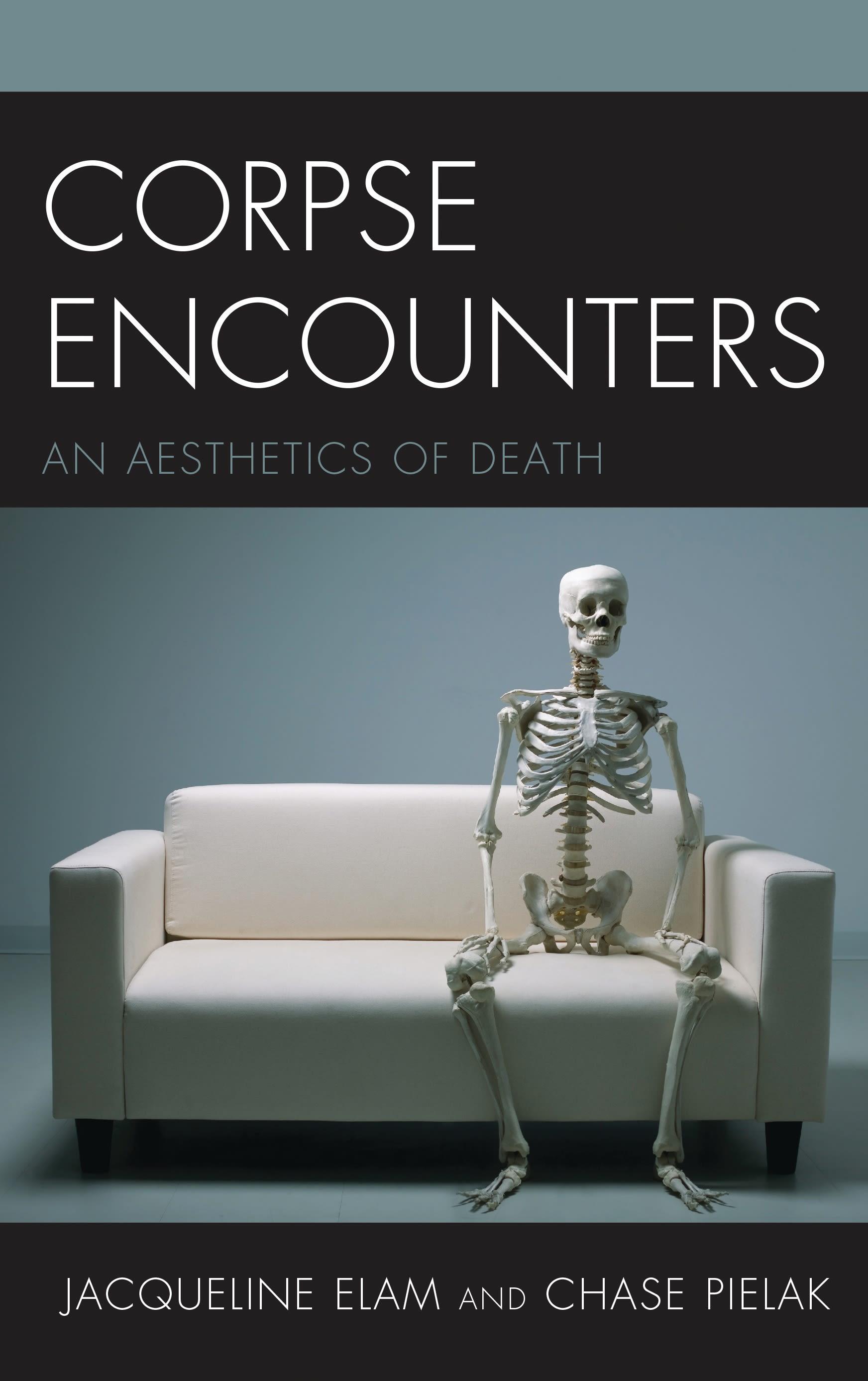
This book takes a critical glance at the ways in which we attend to the corpse, tracing a trajectory from encounter toward considering options for disposal: veneered mortuary internment, green burial and its attendant rot, cremation and alkaline hydrolysis, donation and display, and ecological burial. Through tracing the possible futures of the dead that haunt the living, through both the stories that we tell and physical manifestations following the end of life, we expose the workings of aesthetics that shape corpses, as well as the ways in which corpses spill over, resisting aestheticization.
This book creates a space for ritualized practices surrounding death: corpse disposal; corpse aesthetics that shape both practices attendant upon and representations of the corpse; and literary, figural, and cultural representations that deploy these practices to tell a story about dead bodies—about their separation from the living, about their disposability, and ultimately about the living who survive the dead, if only for a while.
There is an aesthetics of erasure persistently at work on the dead body. It must be quickly hidden from sight to shield us from the certain trauma of our own demise, or so the unspoken argument goes. Experts—scientists, forensic specialists, death-care professionals, and law enforcement—are the only ones qualified to view the dead for any extended period of time. The rest of us, with only brief doses, inoculate ourselves from the materiality of death in complex and highly ritualized ceremonies. Beyond participating in the project of restoring our sense of finitude, we try to make sense of the untouchable, unviewable, haunting, and taboo presence of the corpse itself.
This book creates a space for ritualized practices surrounding death: corpse disposal; corpse aesthetics that shape both practices attendant upon and representations of the corpse; and literary, figural, and cultural representations that deploy these practices to tell a story about dead bodies—about their separation from the living, about their disposability, and ultimately about the living who survive the dead, if only for a while.
There is an aesthetics of erasure persistently at work on the dead body. It must be quickly hidden from sight to shield us from the certain trauma of our own demise, or so the unspoken argument goes. Experts—scientists, forensic specialists, death-care professionals, and law enforcement—are the only ones qualified to view the dead for any extended period of time. The rest of us, with only brief doses, inoculate ourselves from the materiality of death in complex and highly ritualized ceremonies. Beyond participating in the project of restoring our sense of finitude, we try to make sense of the untouchable, unviewable, haunting, and taboo presence of the corpse itself.
Sider: 206
Kategori: Litteraturvetenskap & Teori
e-ISBN: 9781498543941
Forsendelsesvægt: 1.2 kg
Sendes inden for: 1-2 dage
Betal nemt med kort, Klarna, Apple Pay eller Google Pay. Ikke tilfreds? Du har altid 14 dages fortrydelsesret. Læs mere i vores vilkår. Har du spørgsmål, så send os en mail på hello@memmo.org.
Memmo gør det nemmere at studere – uanset hvor du er i verden. Hos os samler du dine kursusbøger og smarte studieværktøjer ét sted: resuméer, quizzer, podcasts og flashcards. Og så er der Ted, din studieven, der svarer på alt, du undrer dig over. Over 50 000 studerende studerer allerede her – bygget til at hjælpe dig med at lære hurtigere og stresse mindre.