
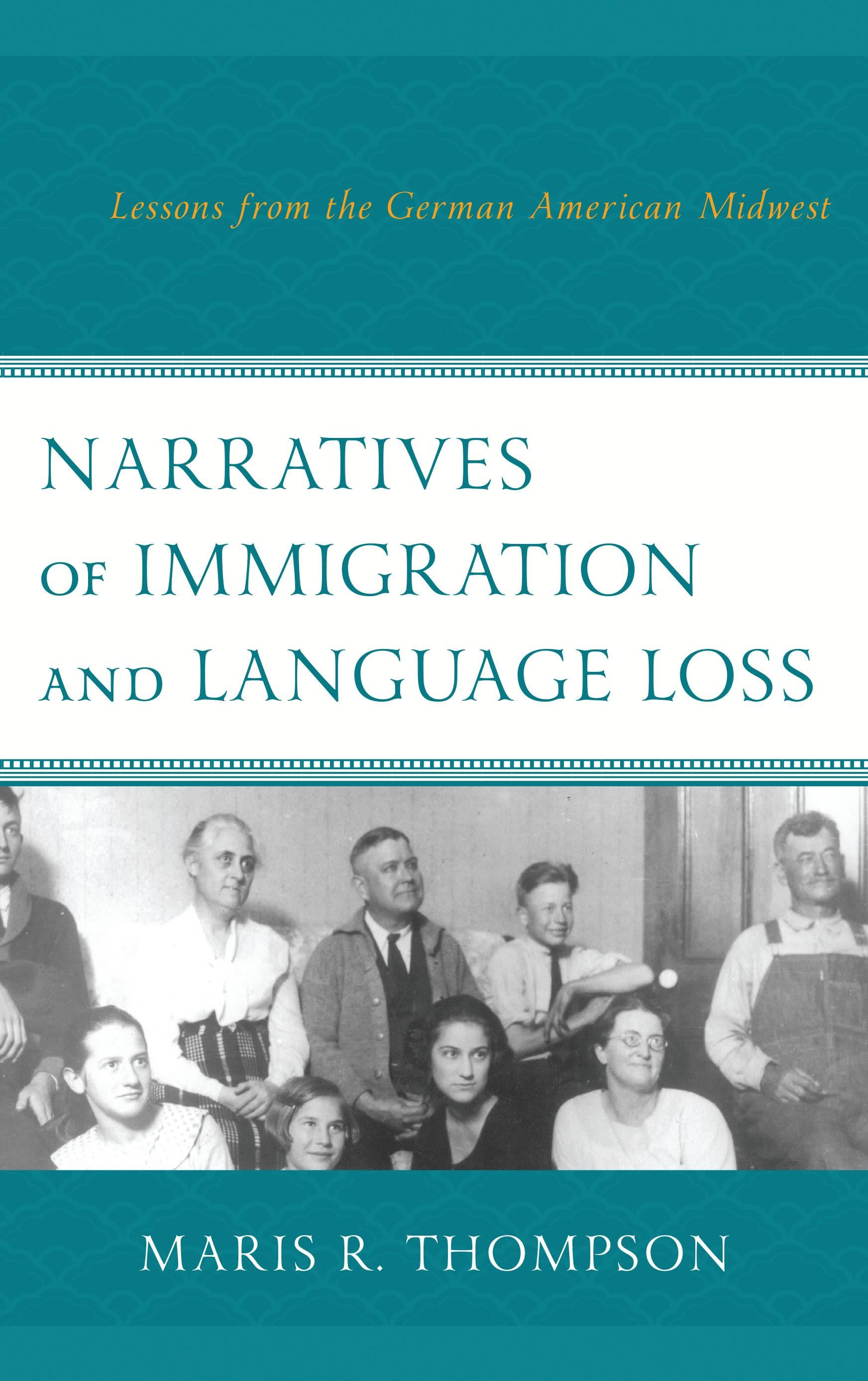
This book examines narratives of anti-German sentiment and language loss from German American communities in southwestern, Illinois. During World War I and II, government sponsored Americanization campaigns brought an abrupt end to German speaking practices in many communities across the Midwest. The narratives and the sociolinguistic practices around their telling detail the experiences of people who were singled out because of their ethnicity and bilingualism and the consequences these experiences had for their families. This work considers how contexts of discrimination informed constructions of the past that people could live with and the impact of these contexts on their beliefs about language and belonging. In addition to stories of past experience, this work also explores narratives of the present. New immigrants are moving to the region for work in local industries and their presence is regarded cautiously by German origin residents. Narrative constructions about new immigrants are considered in light of these shifting demographics and local histories of anti-German sentiment with significant implications for the future of social relationships in these communities.
Betal nemt med kort, Klarna, Apple Pay eller Google Pay. Ikke tilfreds? Du har altid 14 dages fortrydelsesret. Læs mere i vores vilkår. Har du spørgsmål, så send os en mail på hello@memmo.org.
Memmo gør det nemmere at studere – uanset hvor du er i verden. Hos os samler du dine kursusbøger og smarte studieværktøjer ét sted: resuméer, quizzer, podcasts og flashcards. Og så er der Ted, din studieven, der svarer på alt, du undrer dig over. Over 50 000 studerende studerer allerede her – bygget til at hjælpe dig med at lære hurtigere og stresse mindre.