
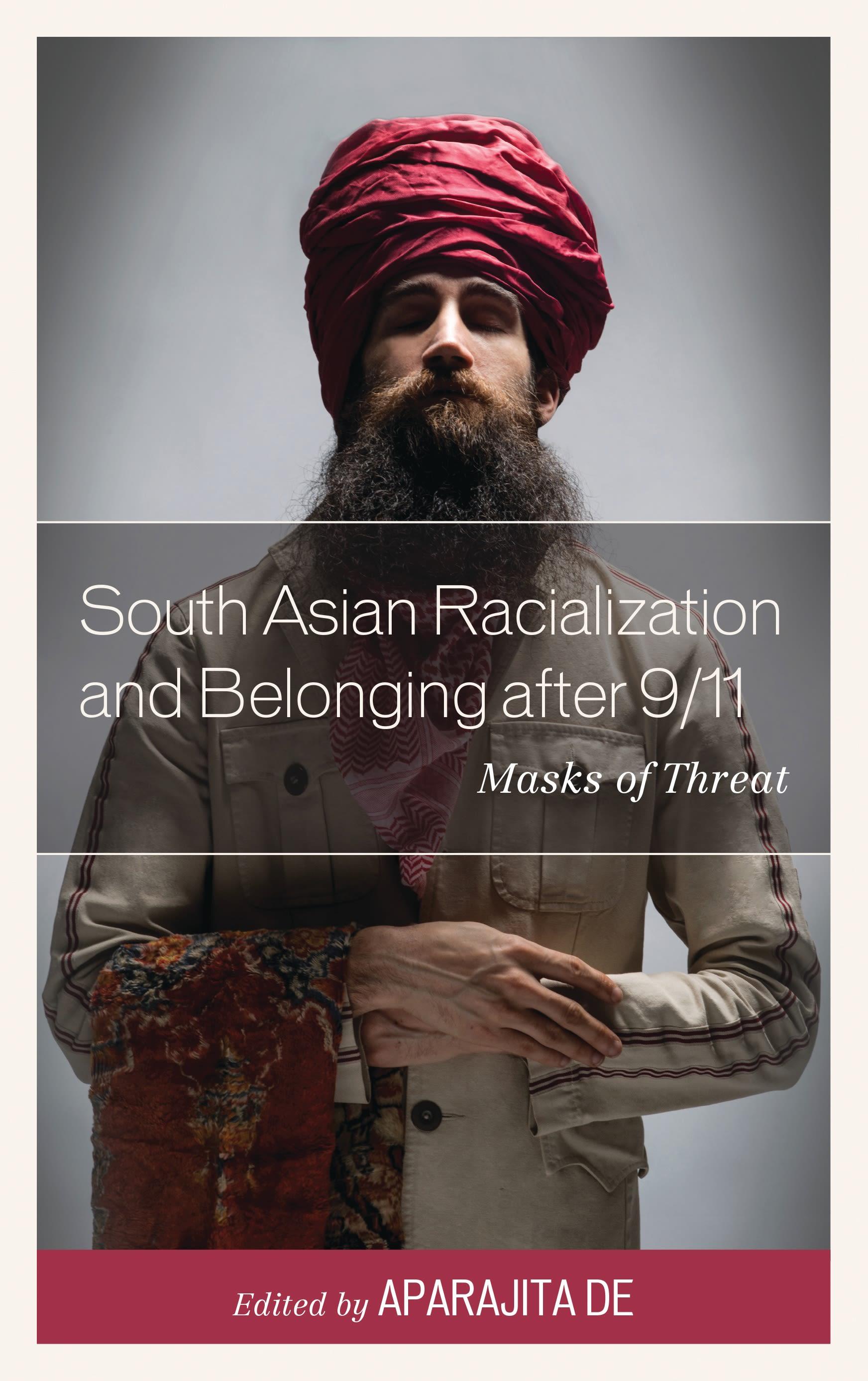
This collection of essays interrogates literary and cultural narratives in the contexts of the incidents following 9/11. The collected essays underscore the new and (re)emerging racial, political, and socio-cultural discourse on identity related to terrorism and identity politics. Specifically, the collection examines South Asian American identities to understand culture, policy making, and the implicit gendered racialization, sexualization, and socio-economic classification of minority identities within the discourse of globalization. The essays included here relocate the discourse of race and cultural studies to an examination of transnational labor diasporas, reopen debate on critical constructions of U.S. racial and cultural formations, and question the reconfiguration of gendered and sexualized discourses of the South Asian diaspora within the context of national security and terrorism.
This book provides a multifaceted account of South Asian racialization and belonging by drawing from disciplines across the humanities and the social sciences. The scholars included here employ methods of ethnographic studies as well as literary, culture, film, and feminist analysis to examine a wide range of South Asian cultural sites: novels, short stories, cultural texts, documentaries, and sports. The rich intellectual, theoretical, methodological, and narrative tapestry of South Asians that emerges from this inquiry enables us to trace new patterns of South Asian cultural consumption post-9/11 as well as expand notions and histories of “terror.” This volume makes an important contribution to renewing scholarship in the key areas of representations of race, labor, diaspora, class, and culture while implicating that there needs to be a simultaneous and critical dialogue on the scope and reconnections within postcolonial studies.
This book provides a multifaceted account of South Asian racialization and belonging by drawing from disciplines across the humanities and the social sciences. The scholars included here employ methods of ethnographic studies as well as literary, culture, film, and feminist analysis to examine a wide range of South Asian cultural sites: novels, short stories, cultural texts, documentaries, and sports. The rich intellectual, theoretical, methodological, and narrative tapestry of South Asians that emerges from this inquiry enables us to trace new patterns of South Asian cultural consumption post-9/11 as well as expand notions and histories of “terror.” This volume makes an important contribution to renewing scholarship in the key areas of representations of race, labor, diaspora, class, and culture while implicating that there needs to be a simultaneous and critical dialogue on the scope and reconnections within postcolonial studies.
Betal nemt med kort, Klarna, Apple Pay eller Google Pay. Ikke tilfreds? Du har altid 14 dages fortrydelsesret. Læs mere i vores vilkår. Har du spørgsmål, så send os en mail på hello@memmo.org.
Memmo gør det nemmere at studere – uanset hvor du er i verden. Hos os samler du dine kursusbøger og smarte studieværktøjer ét sted: resuméer, quizzer, podcasts og flashcards. Og så er der Ted, din studieven, der svarer på alt, du undrer dig over. Over 50 000 studerende studerer allerede her – bygget til at hjælpe dig med at lære hurtigere og stresse mindre.