
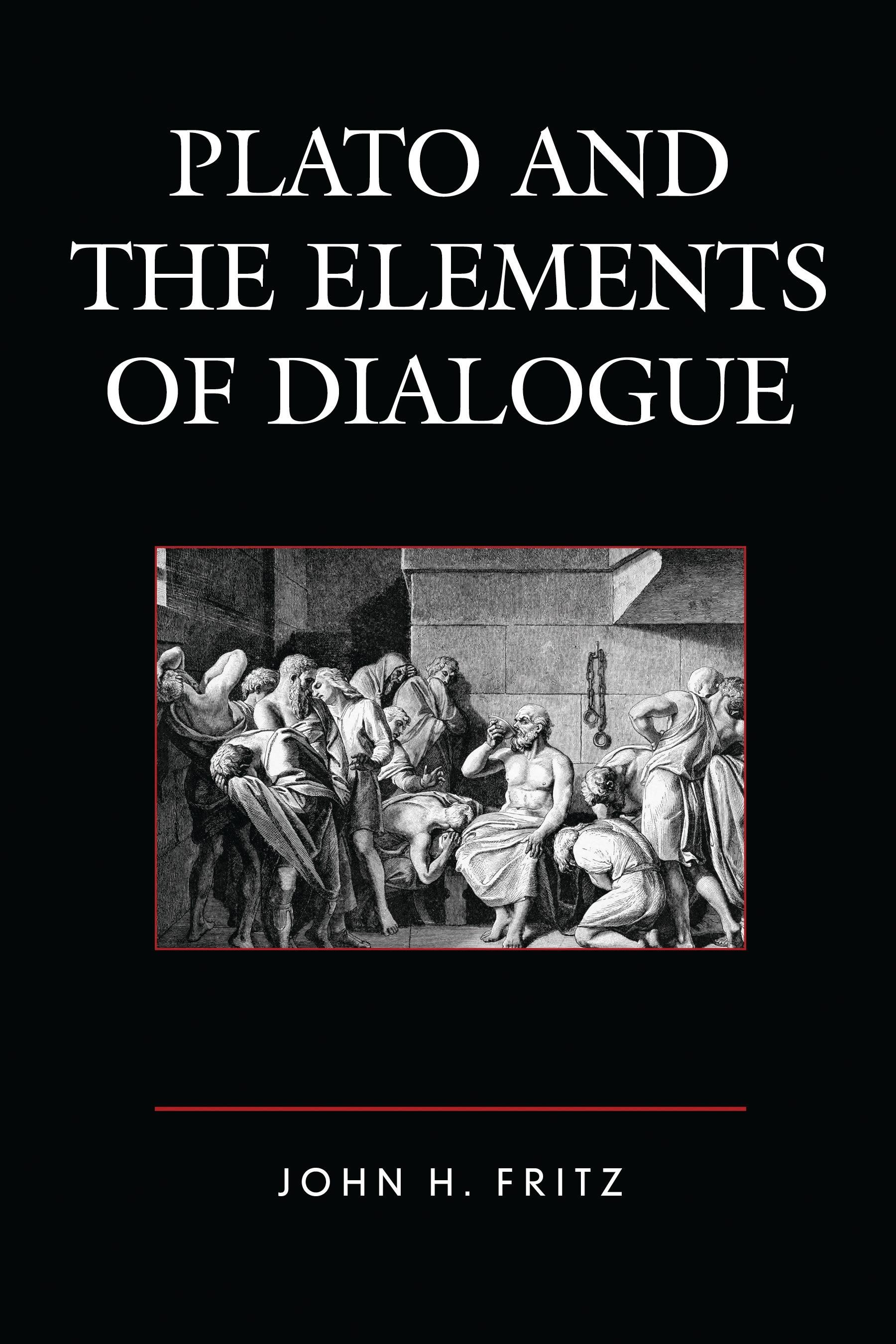
Plato and the Elements of Dialogue examines Plato’s use of the three necessary elements of dialogue: character, time, and place. By identifying and taking up striking employments of these features from throughout Plato’s work, this book seeks to map their functions and importance. By focusing on the Symposium, Cratylus, and Republic, this book shows three ways that characters can be related to what they do and what they say. Next, the book takes up ‘displacement’ by focusing on the Hippias Major, arguing that individual characters can be expanded by the repeated practice of asking them to consider a question from a point of view other than their own. This ties into the treatments of ‘thinking’ in the Theaetetus and Sophist. The Parmenides, Lysis, and Philebus are examined to come to a better understanding of the functions of the settings (times/places) of Plato’s dialogues, while a reading of the beginning of the of the Phaedo shows how Plato can expand the settings of the dialogues by using ‘frames’ in order to direct his readers. Last, this book takes up the ‘critique of writing’ that closes the Phaedrus.
Betal nemt med kort, Klarna, Apple Pay eller Google Pay. Ikke tilfreds? Du har altid 14 dages fortrydelsesret. Læs mere i vores vilkår. Har du spørgsmål, så send os en mail på hello@memmo.org.
Memmo gør det nemmere at studere – uanset hvor du er i verden. Hos os samler du dine kursusbøger og smarte studieværktøjer ét sted: resuméer, quizzer, podcasts og flashcards. Og så er der Ted, din studieven, der svarer på alt, du undrer dig over. Over 50 000 studerende studerer allerede her – bygget til at hjælpe dig med at lære hurtigere og stresse mindre.