
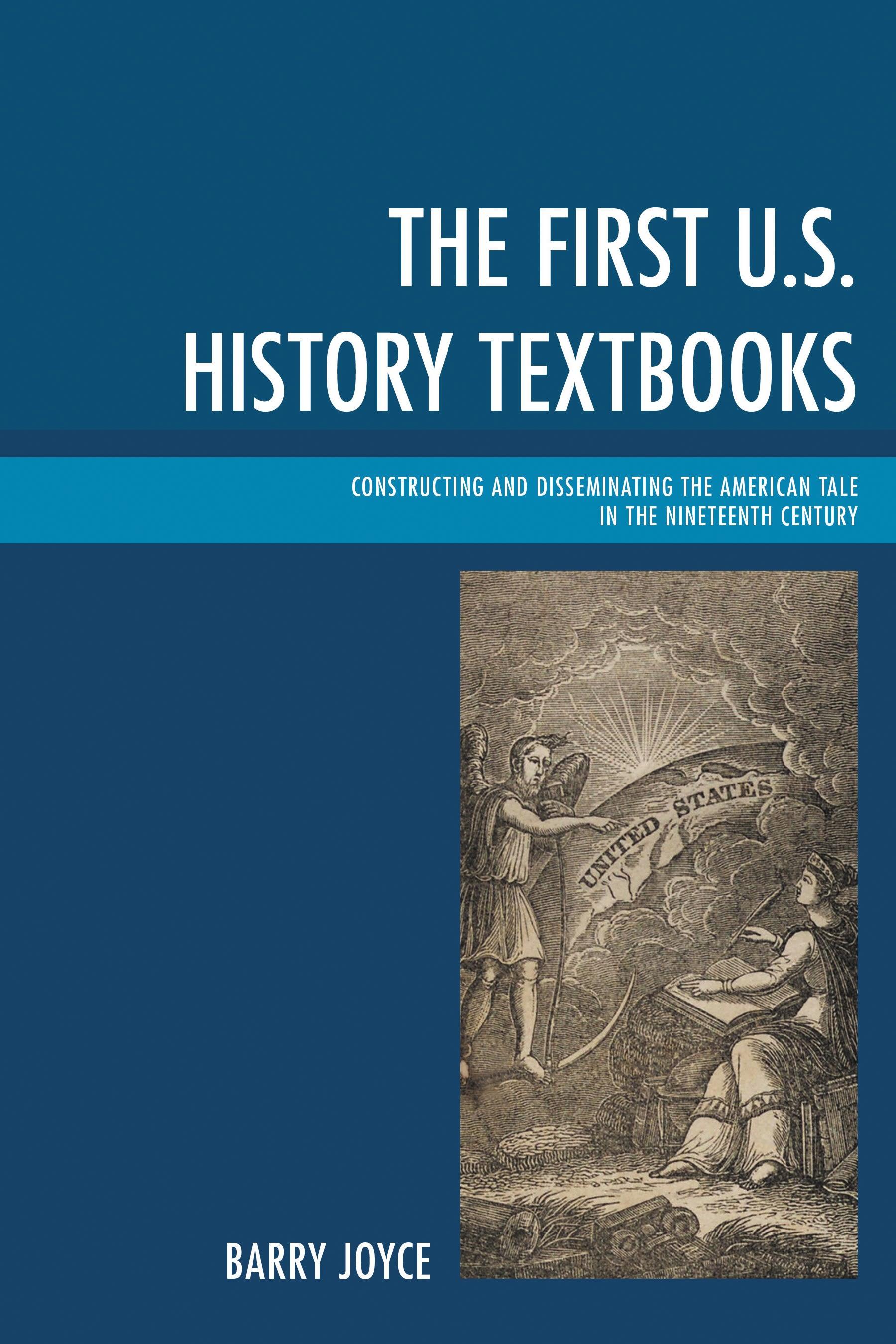
This book analyzes the common narrative residing in American History textbooks published in the first half of the 19th century. That story, what the author identifies as the American “creation” or “origins” narrative, is simultaneously examined as both historic and “mythic” in composition. It offers a fresh, multidisciplinary perspective on an enduring aspect of these works. The book begins with a provocative thesis that proposes the importance of the relationship between myth and history in the creation of America’s textbook narrative. It ends with a passionate call for a truly inclusive story of who Americans are and what Americans aspire to become.
The book is organized into three related sections. The first section provides the context for the emergence of American History textbooks. It analyzes the structure and utility of these school histories within the context of antebellum American society and educational practices. The second section is the heart of the book. It recounts and scrutinizes the textbook narrative as it tells the story of America’s emergence from “prehistory” through the American Revolution—the origins story of America. This section identifies the recurring themes and images that together constitute what early educators conceived as a unified cultural narrative. Section three examines the sectional bifurcation and eventual re-unification of the American History textbook narrative from the 1850s into the early 20th century. The book concludes by revisiting the relationship between textbooks, the American story, and mythic narratives in light of current debates and controversies over textbooks, American history curriculum and a common American narrative.
The book is organized into three related sections. The first section provides the context for the emergence of American History textbooks. It analyzes the structure and utility of these school histories within the context of antebellum American society and educational practices. The second section is the heart of the book. It recounts and scrutinizes the textbook narrative as it tells the story of America’s emergence from “prehistory” through the American Revolution—the origins story of America. This section identifies the recurring themes and images that together constitute what early educators conceived as a unified cultural narrative. Section three examines the sectional bifurcation and eventual re-unification of the American History textbook narrative from the 1850s into the early 20th century. The book concludes by revisiting the relationship between textbooks, the American story, and mythic narratives in light of current debates and controversies over textbooks, American history curriculum and a common American narrative.
Betal nemt med kort, Klarna, Apple Pay eller Google Pay. Ikke tilfreds? Du har altid 14 dages fortrydelsesret. Læs mere i vores vilkår. Har du spørgsmål, så send os en mail på hello@memmo.org.
Memmo gør det nemmere at studere – uanset hvor du er i verden. Hos os samler du dine kursusbøger og smarte studieværktøjer ét sted: resuméer, quizzer, podcasts og flashcards. Og så er der Ted, din studieven, der svarer på alt, du undrer dig over. Over 50 000 studerende studerer allerede her – bygget til at hjælpe dig med at lære hurtigere og stresse mindre.