
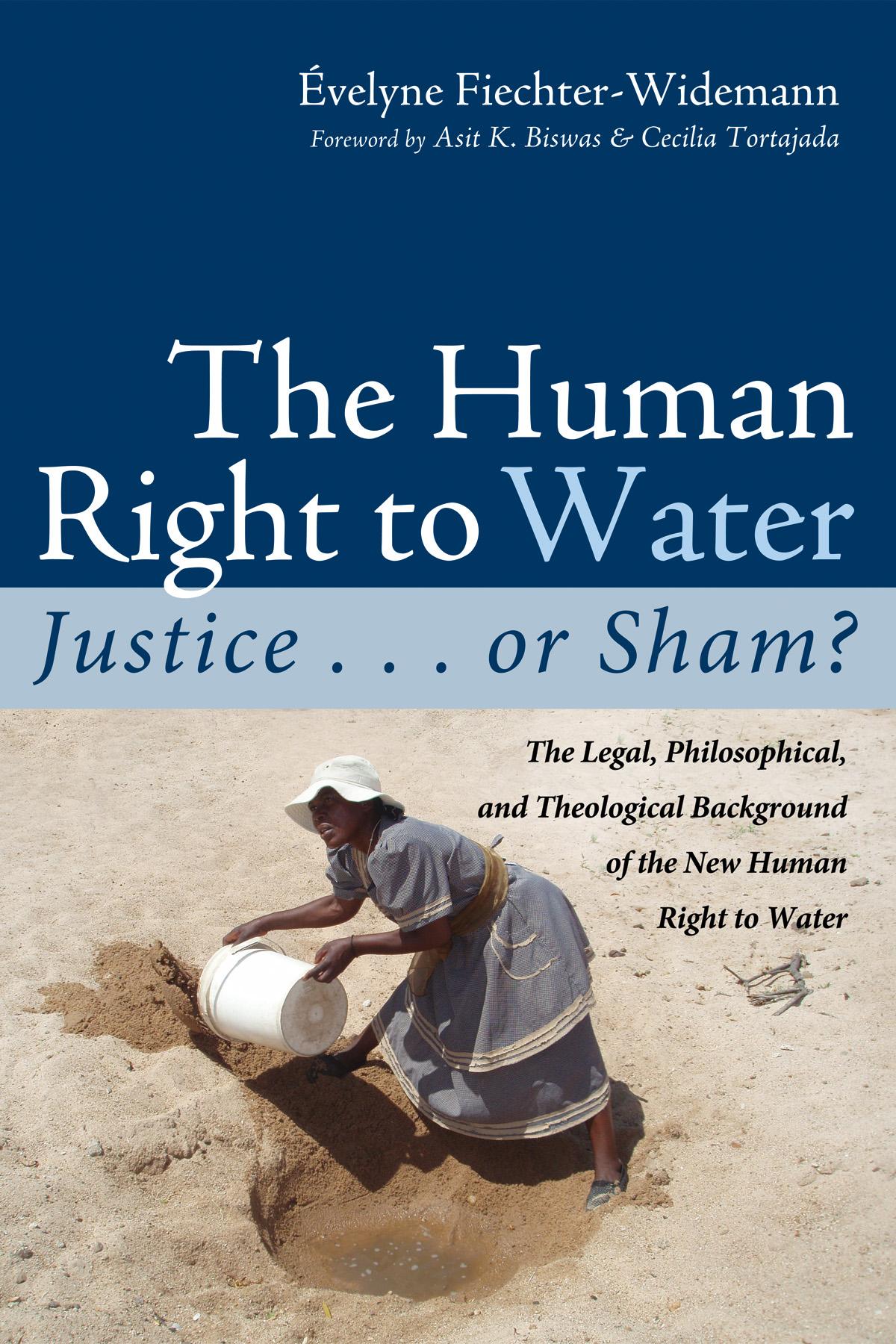
Water is a matter of life and death. Advanced technology and engineering enable humans to gain better access to it. Nonetheless, the conditions and effort required to reach this goal remain colossal in many countries. Building a lasting infrastructure for adequate treatment before and after use is costly. Therefore, the author believes that a radical change of thinking among people around the world, from the domestic to the large-scale users, becomes a priority. Even if the United Nations entitles all people to justice for water, more responsible and ethical use of it by all interested parties is more important than the spreading of promises, which, in practice, may turn out to be a sham. Only a better understanding that access to water rests on the efforts of everyone, without exception, will reduce overuse, waste, and pollution of the indispensable resource.
This volume, while written from a theological, philosophical, and legal perspective (focusing on John Calvin, John Rawls, and Paul Ricoeur), demonstrates that water cannot be merely understood as a human right, but also has to be dealt with from an economic point of view as well as under the authority of the Golden Rule.
Betal nemt med kort, Klarna, Apple Pay eller Google Pay. Ikke tilfreds? Du har altid 14 dages fortrydelsesret. Læs mere i vores vilkår. Har du spørgsmål, så send os en mail på hello@memmo.org.
Memmo gør det nemmere at studere – uanset hvor du er i verden. Hos os samler du dine kursusbøger og smarte studieværktøjer ét sted: resuméer, quizzer, podcasts og flashcards. Og så er der Ted, din studieven, der svarer på alt, du undrer dig over. Over 50 000 studerende studerer allerede her – bygget til at hjælpe dig med at lære hurtigere og stresse mindre.
Du kan måske også lide
Køb bogen0