
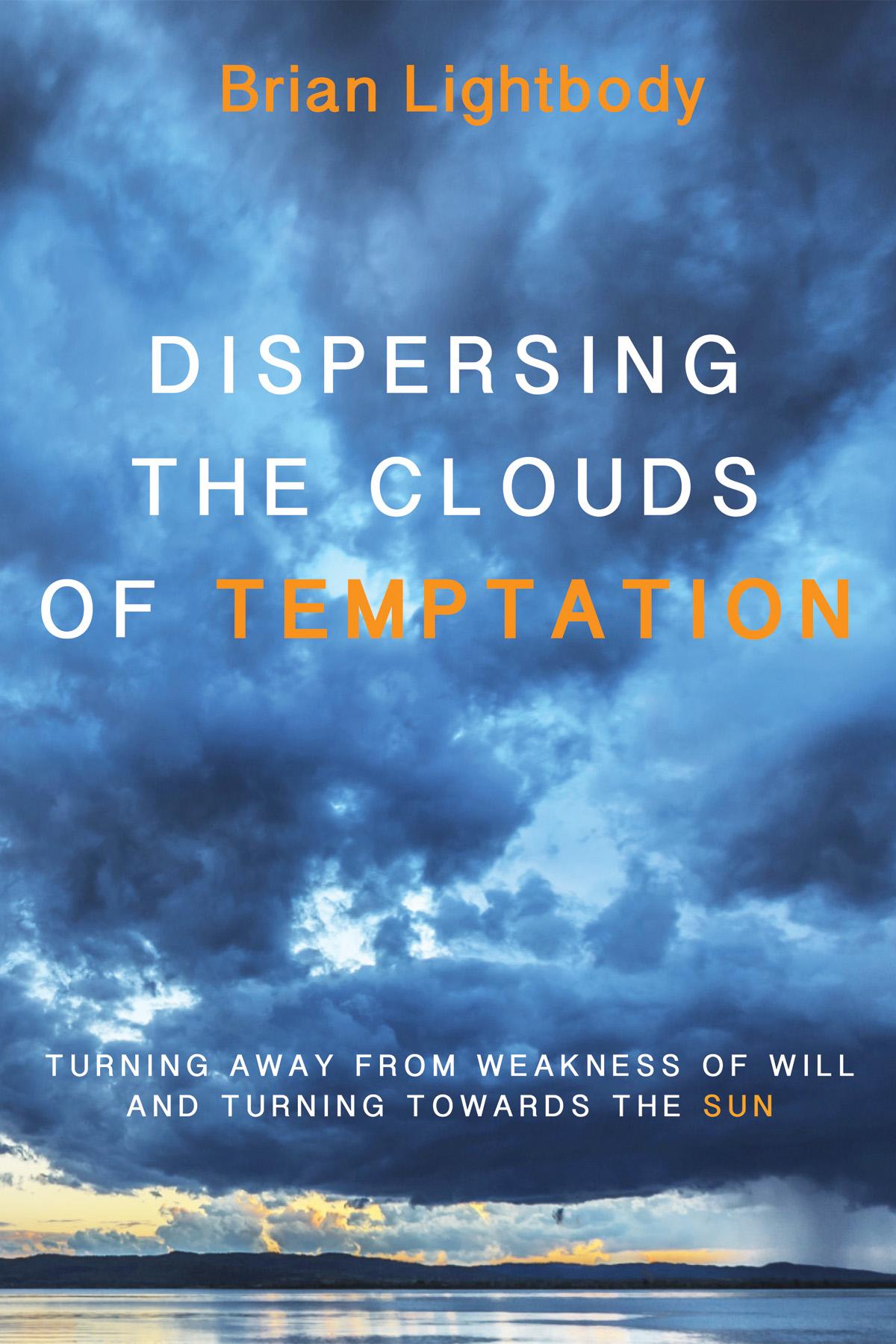
In Romans 7:14-25, Paul declares, "For I do not do the good I want, but the evil I do not want, is what I do" (KJV). St. Paul's statement is a universal truth for all human beings; humans--whether Christians, Jews, Muslims, Buddhists, Hindus, or atheists--are prone to committing free actions that are not "good." Furthermore, and irrespective of how we might construe the notion of "good" (whether as acting in accordance with some religious or spiritual precept or simply doing what is in one's best interest), we often knowingly and freely choose actions that may, or in fact do, harm us. There is a name given to such actions. We call them "weak-willed."
"Weakness of will," or akrasia, has perplexed philosophers, theologians, and laypersons alike for centuries. This book reveals why the idea has caused so much bafflement and consternation for so many. The main thrust of the work, however, is to illuminate and inspire: Lightbody seeks to demonstrate, concretely, how and why we are weak-willed. By extracting an "alchemical touchstone" from Plato's middle period philosophy, Lightbody, in addition, reveals how we may transmute harmful appetites into life-edifying passions.
Betal nemt med kort, Klarna, Apple Pay eller Google Pay. Ikke tilfreds? Du har altid 14 dages fortrydelsesret. Læs mere i vores vilkår. Har du spørgsmål, så send os en mail på hello@memmo.org.
Memmo gør det nemmere at studere – uanset hvor du er i verden. Hos os samler du dine kursusbøger og smarte studieværktøjer ét sted: resuméer, quizzer, podcasts og flashcards. Og så er der Ted, din studieven, der svarer på alt, du undrer dig over. Over 50 000 studerende studerer allerede her – bygget til at hjælpe dig med at lære hurtigere og stresse mindre.
Du kan måske også lide
Køb bogen0