
Contributions by Donald L. Anderson, Brian Brems, Eric Brinkman, Matthew Edwards, Brenda S. Gardenour Walter, Andrew Grossman, Lisa Haegele, Gavin F. Hurley, Mikel J. Koven, Sharon Jane Mee, Fernando Gabriel Pagnoni Berns, Émilie von Garan, Connor John Warden, and Sean Woodard
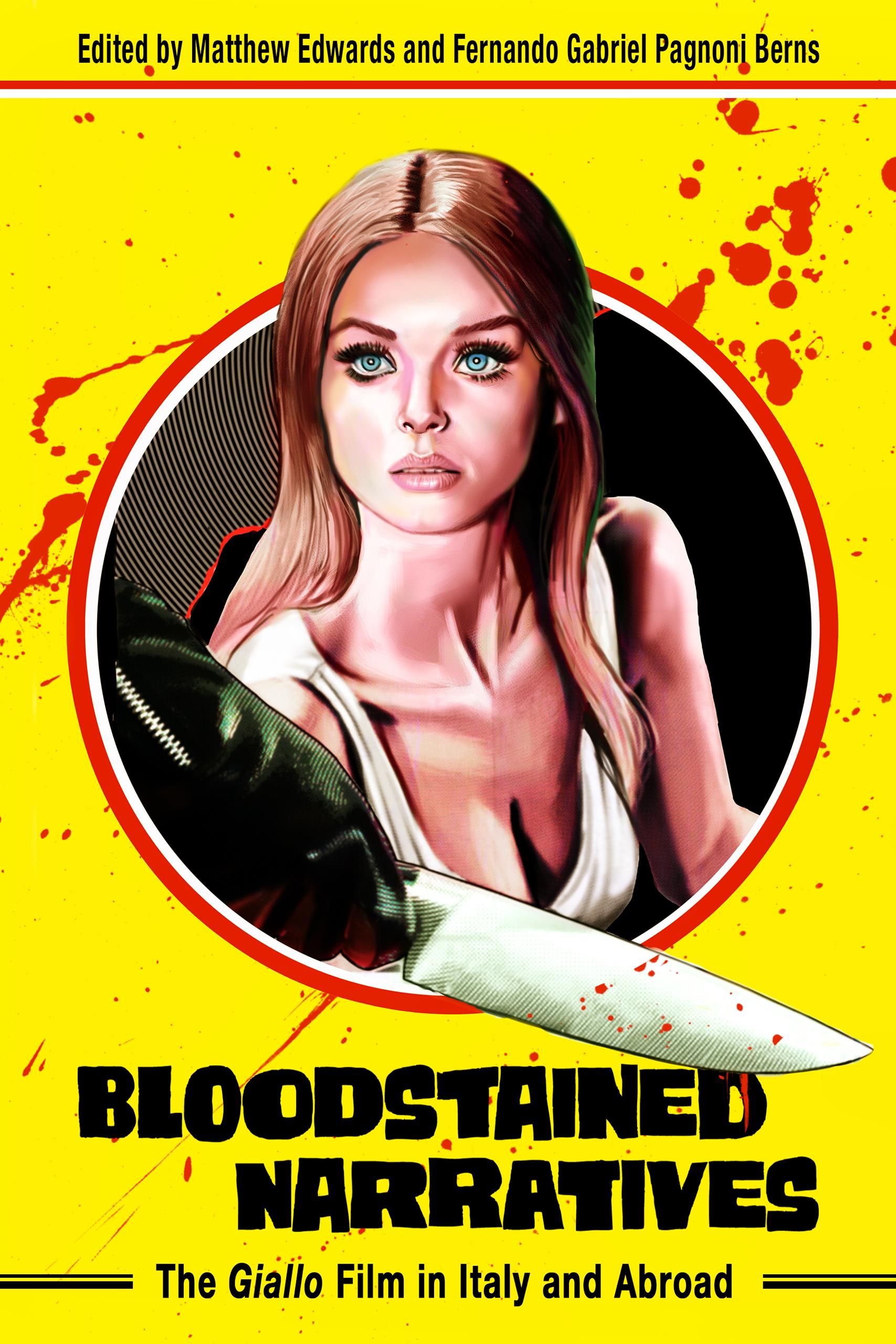
The giallo (yellow) film cycle, characterized by its bloody murders and blending of high art and cinematic sleaze, rose to prominence in Italy in the 1960s and 1970s. Beginning with Mario Bava’s The Girl Who Knew Too Much (1963) and Dario Argento’s The Bird with the Crystal Plumage (1970), giallo films influenced the American slasher films of the 1980s and attracted an increasingly large fandom.
In Bloodstained Narratives: The “Giallo” Film in Italy and Abroad, contributors explore understudied aspects of gialli. The chapters introduce readers to a wide range of films, including masterpieces from Argento and overlooked gems, all of them examined in close detail. Rather than understanding giallo as focalized exclusively in Italy in the 1970s, this collection explores the extension of gialli narratives abroad through different geographies and times. This book examines Italian gialli of the 1970s as well as American neo-gialli, French productions, Canadian horror films of the 1980s, and Asian rewritings of this “yellow” cycle of crime/horror films. Bloodstained Narratives also features interviews with two giallo film directors, including cult favorite Antonio Bido. Rather than fading from the cinematic stage, gialli serves as a precursor and steady accomplice to horror-thriller films through the twenty-first century.
The giallo (yellow) film cycle, characterized by its bloody murders and blending of high art and cinematic sleaze, rose to prominence in Italy in the 1960s and 1970s. Beginning with Mario Bava’s The Girl Who Knew Too Much (1963) and Dario Argento’s The Bird with the Crystal Plumage (1970), giallo films influenced the American slasher films of the 1980s and attracted an increasingly large fandom.
In Bloodstained Narratives: The “Giallo” Film in Italy and Abroad, contributors explore understudied aspects of gialli. The chapters introduce readers to a wide range of films, including masterpieces from Argento and overlooked gems, all of them examined in close detail. Rather than understanding giallo as focalized exclusively in Italy in the 1970s, this collection explores the extension of gialli narratives abroad through different geographies and times. This book examines Italian gialli of the 1970s as well as American neo-gialli, French productions, Canadian horror films of the 1980s, and Asian rewritings of this “yellow” cycle of crime/horror films. Bloodstained Narratives also features interviews with two giallo film directors, including cult favorite Antonio Bido. Rather than fading from the cinematic stage, gialli serves as a precursor and steady accomplice to horror-thriller films through the twenty-first century.
Betal nemt med kort, Klarna, Apple Pay eller Google Pay. Ikke tilfreds? Du har altid 14 dages fortrydelsesret. Læs mere i vores vilkår. Har du spørgsmål, så send os en mail på hello@memmo.org.
Memmo gør det nemmere at studere – uanset hvor du er i verden. Hos os samler du dine kursusbøger og smarte studieværktøjer ét sted: resuméer, quizzer, podcasts og flashcards. Og så er der Ted, din studieven, der svarer på alt, du undrer dig over. Over 50 000 studerende studerer allerede her – bygget til at hjælpe dig med at lære hurtigere og stresse mindre.
Du kan måske også lide
Køb bogen0