
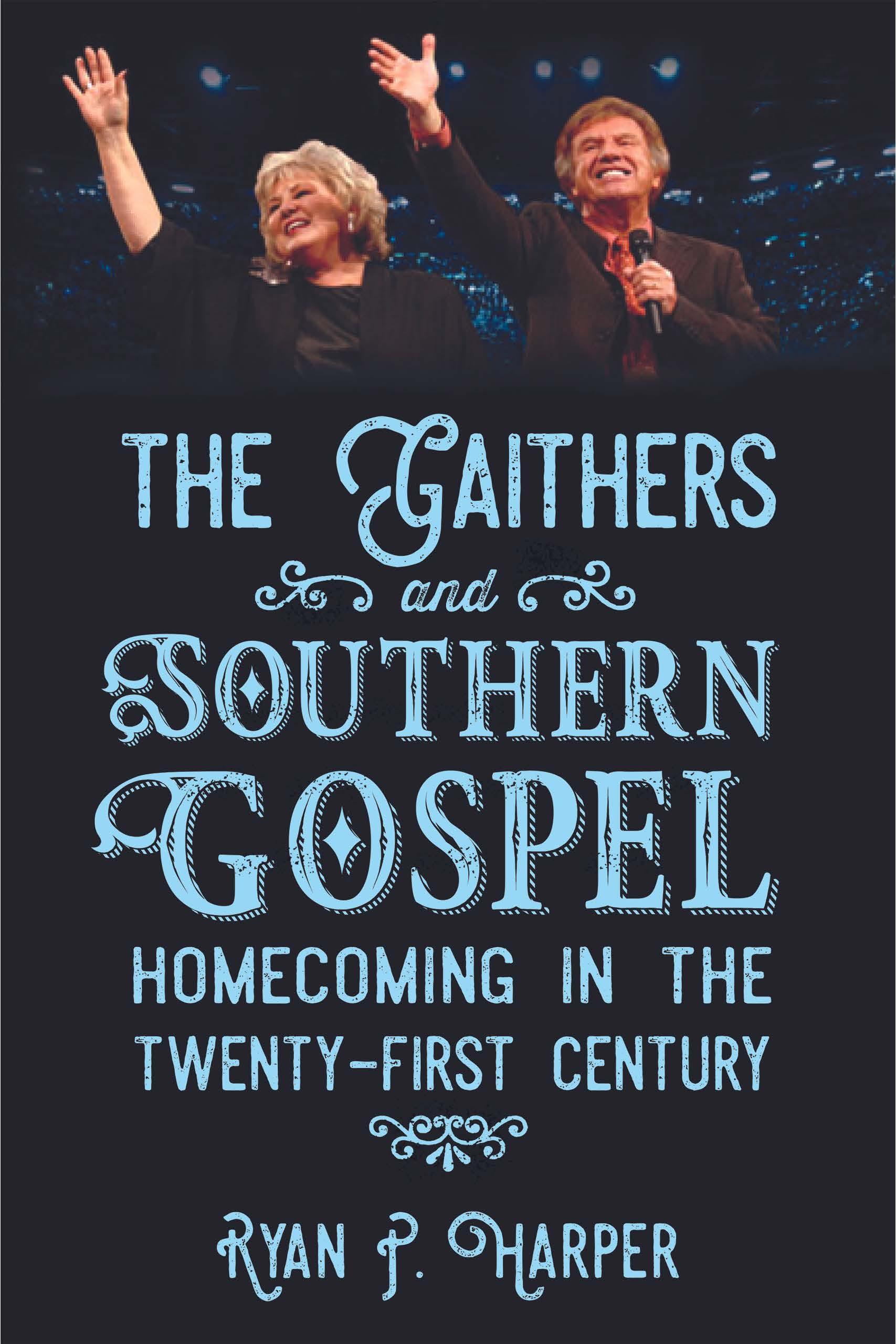
In The Gaithers and Southern Gospel, Ryan P. Harper examines songwriters Bill and Gloria Gaither's Homecoming video and concert series--a gospel music franchise that, since its beginning in 1991, has outperformed all Christian and much secular popular music on the American music market.
The Homecomings represent "southern gospel." Typically that means a musical style popular among white evangelical Christians in the American South and Midwest, and it sometimes overlaps in style, theme, and audience with country music. The Homecomings' nostalgic orientation--their celebration of "traditional" kinds of American Christian life--harmonize well with southern gospel music, past and present. But amidst the backward gazes, the Homecomings also portend and manifest change. The Gaithers' deliberate racial integration of their stages, their careful articulation of a relatively inclusive evangelical theology, and their experiments with an array of musical forms demonstrate that the Homecoming is neither simplistically nostalgic, nor solely "southern."
Harper reveals how the Gaithers negotiate a tension between traditional and changing community norms as they seek simultaneously to maintain and expand their audience as well as to initiate and respond to shifts within their fan base. Pulling from his field work at Homecoming concerts, behind the scenes with the Gaithers, and with numerous Homecoming fans, Harper reveals the Homecoming world to be a dynamic, complicated constellation in the formation of American religious identity.
The Homecomings represent "southern gospel." Typically that means a musical style popular among white evangelical Christians in the American South and Midwest, and it sometimes overlaps in style, theme, and audience with country music. The Homecomings' nostalgic orientation--their celebration of "traditional" kinds of American Christian life--harmonize well with southern gospel music, past and present. But amidst the backward gazes, the Homecomings also portend and manifest change. The Gaithers' deliberate racial integration of their stages, their careful articulation of a relatively inclusive evangelical theology, and their experiments with an array of musical forms demonstrate that the Homecoming is neither simplistically nostalgic, nor solely "southern."
Harper reveals how the Gaithers negotiate a tension between traditional and changing community norms as they seek simultaneously to maintain and expand their audience as well as to initiate and respond to shifts within their fan base. Pulling from his field work at Homecoming concerts, behind the scenes with the Gaithers, and with numerous Homecoming fans, Harper reveals the Homecoming world to be a dynamic, complicated constellation in the formation of American religious identity.
Betal nemt med kort, Klarna, Apple Pay eller Google Pay. Ikke tilfreds? Du har altid 14 dages fortrydelsesret. Læs mere i vores vilkår. Har du spørgsmål, så send os en mail på hello@memmo.org.
Memmo gør det nemmere at studere – uanset hvor du er i verden. Hos os samler du dine kursusbøger og smarte studieværktøjer ét sted: resuméer, quizzer, podcasts og flashcards. Og så er der Ted, din studieven, der svarer på alt, du undrer dig over. Over 50 000 studerende studerer allerede her – bygget til at hjælpe dig med at lære hurtigere og stresse mindre.
Du kan måske også lide
Køb bogen0