
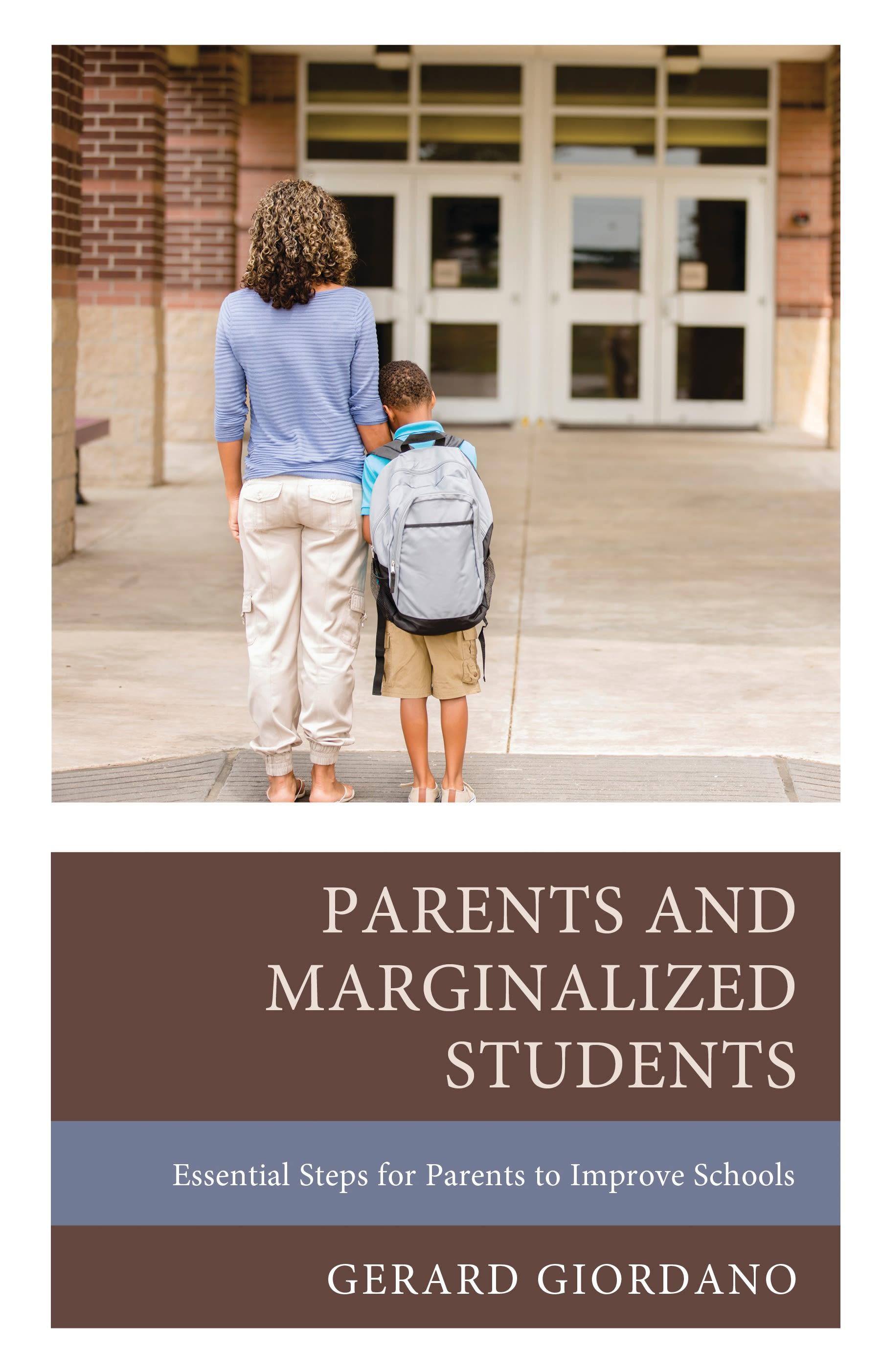
Parents worried that their children would be marginalized by their peers at school. They gave examples in which they were singled out because of their gender, race, ethnicity, sexual orientation, language, religion, or disabilities. They identified others who were picked out because of their family’s income, immigration status, association with the armed services, or attitudes towards medical issues. The parents were assured that changes were in the works to protect marginalized students. They reviewed changes to curricula, instruction, textbooks, disciplinary strategies, counseling techniques, tests, school-sponsored events, school terminology, athletic competitions, restroom policies, dress codes, disability policies, and extracurricular activities. Many parents had confidence in these changes. However, some were skeptical. The two groups argued with each other at local schoolboard meetings. They escalated their arguments after attracting the attention of journalists, scholars, and elected officials.
Betal nemt med kort, Klarna, Apple Pay eller Google Pay. Ikke tilfreds? Du har altid 14 dages fortrydelsesret. Læs mere i vores vilkår. Har du spørgsmål, så send os en mail på hello@memmo.org.
Memmo gør det nemmere at studere – uanset hvor du er i verden. Hos os samler du dine kursusbøger og smarte studieværktøjer ét sted: resuméer, quizzer, podcasts og flashcards. Og så er der Ted, din studieven, der svarer på alt, du undrer dig over. Over 50 000 studerende studerer allerede her – bygget til at hjælpe dig med at lære hurtigere og stresse mindre.