
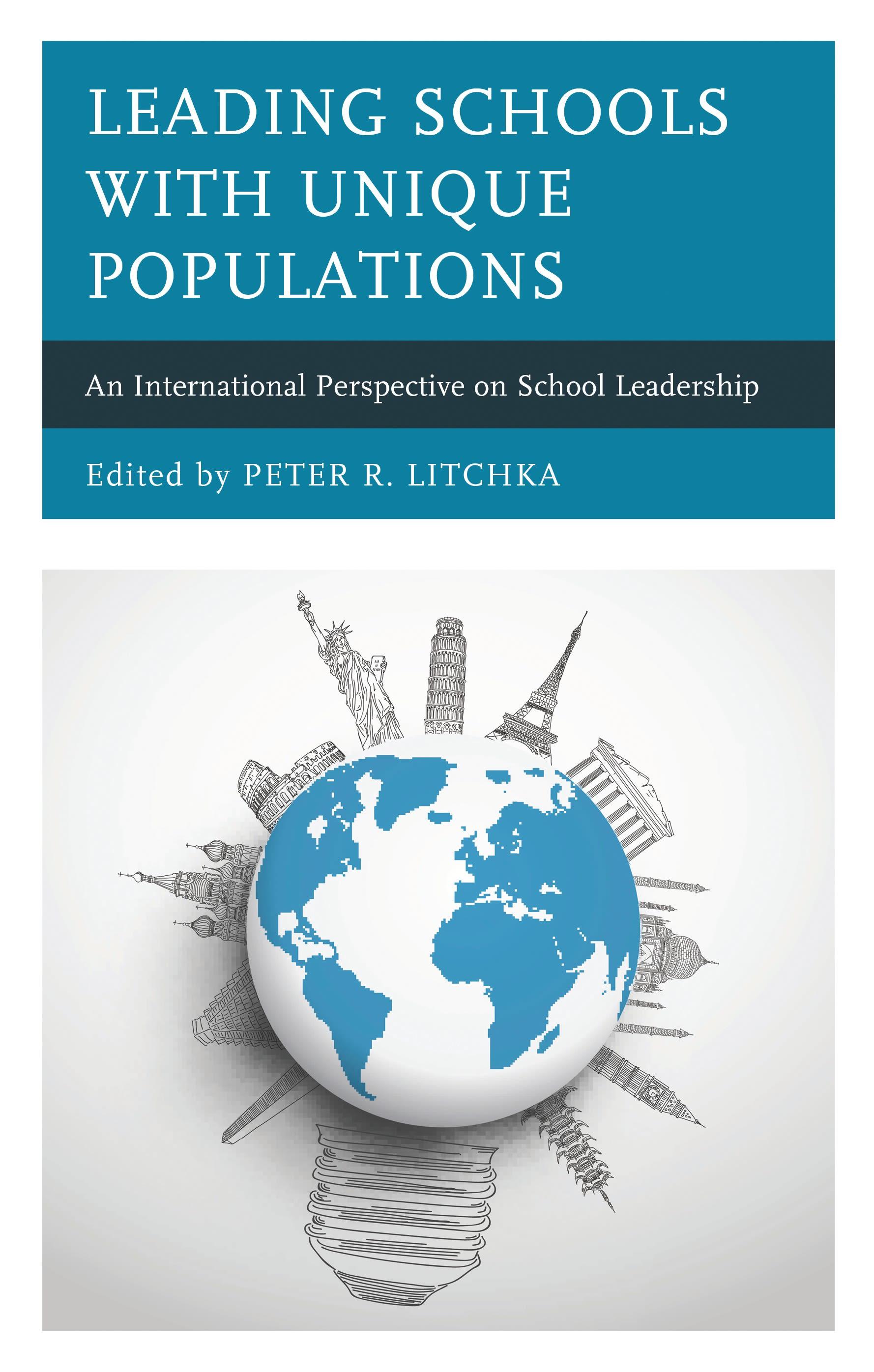
This book brings an international perspective of school leadership, but this time, examines how such leadership can have a positive impact on students considered to be “unique.” At one time, such students considered “unique” or “special” were often placed in special education programs and/or special schools to address their physical, emotional, and/or mental disabilities. Through legislation and changes in beliefs, many countries have changed approaches with these students from a “warehouse” approach, where such students were placed in special schools, to more of an inclusive approach where such students remain in their particular home school in an environment that was more inclusive and less restrictive.
Over the past two decades or so, schools around the globe have been experiencing a significance increase in not only the number of “traditional” types of students needing special services, but a new generation of unique and diverse students, including those with:
sexual identity and orientation differences;extreme social and economic inequities; cultural differences, arising from the significant increase in the number of migrant families fleeing unstable nations.Through their educational systems, many nations are moving from compliance and deficit models to support and prevention; they are becoming more inclusive of unique and special students. Thus, the school leader, if provided the opportunity and support, can have a significant impact on the education of and all students by linking their leadership to the acceptance and inclusion of all students, and to ensuring that all adults in the school become responsible for each student.
Over the past two decades or so, schools around the globe have been experiencing a significance increase in not only the number of “traditional” types of students needing special services, but a new generation of unique and diverse students, including those with:
sexual identity and orientation differences;extreme social and economic inequities; cultural differences, arising from the significant increase in the number of migrant families fleeing unstable nations.Through their educational systems, many nations are moving from compliance and deficit models to support and prevention; they are becoming more inclusive of unique and special students. Thus, the school leader, if provided the opportunity and support, can have a significant impact on the education of and all students by linking their leadership to the acceptance and inclusion of all students, and to ensuring that all adults in the school become responsible for each student.
Betal nemt med kort, Klarna, Apple Pay eller Google Pay. Ikke tilfreds? Du har altid 14 dages fortrydelsesret. Læs mere i vores vilkår. Har du spørgsmål, så send os en mail på hello@memmo.org.
Memmo gør det nemmere at studere – uanset hvor du er i verden. Hos os samler du dine kursusbøger og smarte studieværktøjer ét sted: resuméer, quizzer, podcasts og flashcards. Og så er der Ted, din studieven, der svarer på alt, du undrer dig over. Over 50 000 studerende studerer allerede her – bygget til at hjælpe dig med at lære hurtigere og stresse mindre.