
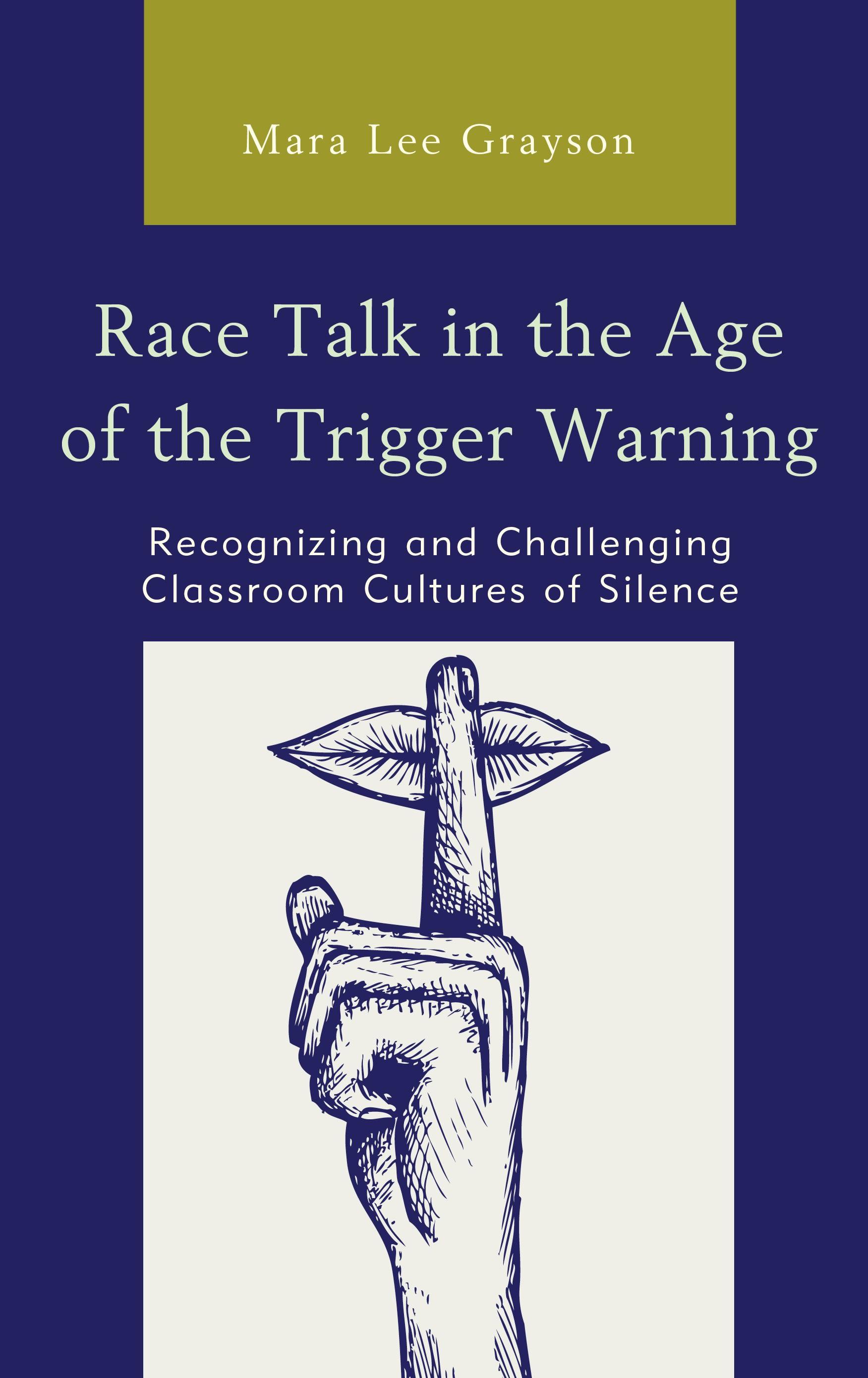
To generate opportunities for transformative learning, educators must create learning environments that help students feel safe and encourage them to grapple with potentially difficult material. The trigger warning, a brief statement information students of potential distressing or re-traumatizing content, has been offered as a way to do just that, but this practice is neither as effective nor as equitable as it may seem. Intentionally or indirectly, the trigger warning limits the extent to which students are encouraged to engage in transformative critical conversations and reinforces the culture of silence that prevails in many educational spaces.
Emerging as a response to trauma amid an educational environment that professes student-responsiveness and celebrates diversity yet perpetuates the marginalization of many of the bodies in the classroom, the trigger warning is not the problem – but it is not the solution either.
What does this mean for the faculty members teaching this new generation of college students? And the teachers who find this generation’s younger siblings in their high school classrooms?
Drawing upon original research, Mara Lee Grayson tracks the rise of the trigger warning within historical and contemporary educational contexts; explores its potentialities, limitations, and abuses as praxis; and offers curricular suggestions for high school and college instructors seeking to implement equitable, antiracist pedagogies that simultaneously encourage students’ well-being, provoke intellectual and emotional growth, and challenge the cultures of silence that maintain inequity on school campuses.
Emerging as a response to trauma amid an educational environment that professes student-responsiveness and celebrates diversity yet perpetuates the marginalization of many of the bodies in the classroom, the trigger warning is not the problem – but it is not the solution either.
What does this mean for the faculty members teaching this new generation of college students? And the teachers who find this generation’s younger siblings in their high school classrooms?
Drawing upon original research, Mara Lee Grayson tracks the rise of the trigger warning within historical and contemporary educational contexts; explores its potentialities, limitations, and abuses as praxis; and offers curricular suggestions for high school and college instructors seeking to implement equitable, antiracist pedagogies that simultaneously encourage students’ well-being, provoke intellectual and emotional growth, and challenge the cultures of silence that maintain inequity on school campuses.
Betal nemt med kort, Klarna, Apple Pay eller Google Pay. Ikke tilfreds? Du har altid 14 dages fortrydelsesret. Læs mere i vores vilkår. Har du spørgsmål, så send os en mail på hello@memmo.org.
Memmo gør det nemmere at studere – uanset hvor du er i verden. Hos os samler du dine kursusbøger og smarte studieværktøjer ét sted: resuméer, quizzer, podcasts og flashcards. Og så er der Ted, din studieven, der svarer på alt, du undrer dig over. Over 50 000 studerende studerer allerede her – bygget til at hjælpe dig med at lære hurtigere og stresse mindre.