
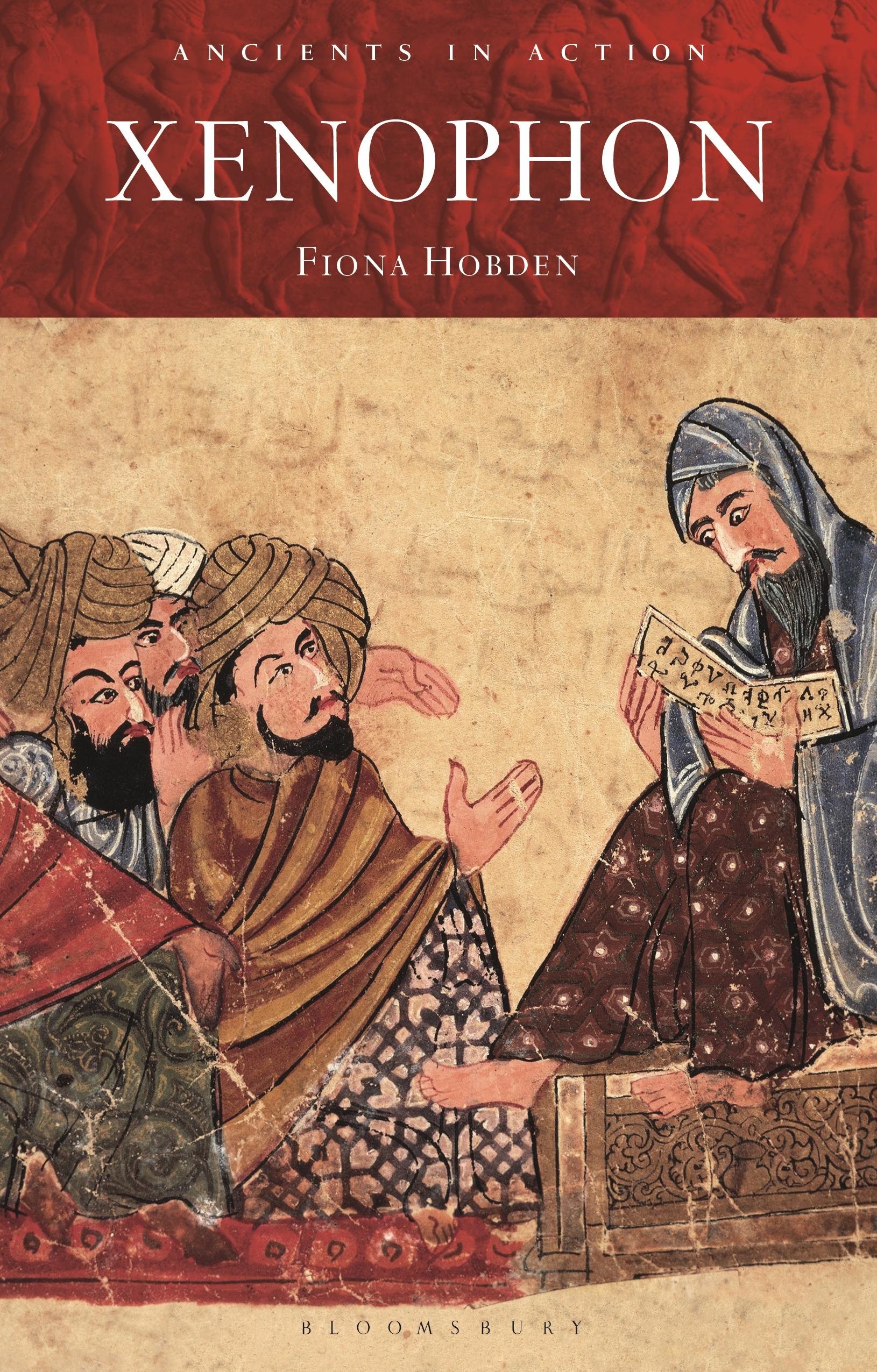
This book offers a concise introduction to Xenophon, the Athenian historian, political thinker, moral philosopher and literary innovator who was also a pupil of Socrates, a military general on campaign in Persia, and an exile in residence in the Peloponnese during the late fifth and fourth centuries BC. Alive during one of the most turbulent periods in Greek history, Xenophon wrote extensively about the past and present. In doing so he not only invented several new genres, but also developed pointed political analyses and probing moral critiques.
It is the purpose of this book to explore Xenophon's life, writing and ideas, and reception through thematic studies that draw upon the full range of his work. Starting with his approach to the past and to Socrates, it demonstrates how the depiction of events and people from previous times and places are inflected with contemporary concerns about political instability and the challenges of leadership, as well as by a 'Socratic' perspective on politics and morality. The following in-depth examination of Xenophon's theories concerning political organization and the bases for a good life highlight the interconnectivity of his ideas about how to live together and how to live well. Although Xenophon addresses conceptual issues, his writings provide a practical response to real-life problems. Finally, an evaluation of his significance as an inspiration to later writers in their creative interrogations of human affairs brings the investigations to a close. This book thus illuminates Xenophon's importance within the vibrant intellectual culture of ancient Greece as an active participant in and evaluator of his world, as well as his impact over time.
It is the purpose of this book to explore Xenophon's life, writing and ideas, and reception through thematic studies that draw upon the full range of his work. Starting with his approach to the past and to Socrates, it demonstrates how the depiction of events and people from previous times and places are inflected with contemporary concerns about political instability and the challenges of leadership, as well as by a 'Socratic' perspective on politics and morality. The following in-depth examination of Xenophon's theories concerning political organization and the bases for a good life highlight the interconnectivity of his ideas about how to live together and how to live well. Although Xenophon addresses conceptual issues, his writings provide a practical response to real-life problems. Finally, an evaluation of his significance as an inspiration to later writers in their creative interrogations of human affairs brings the investigations to a close. This book thus illuminates Xenophon's importance within the vibrant intellectual culture of ancient Greece as an active participant in and evaluator of his world, as well as his impact over time.
Betal nemt med kort, Klarna, Apple Pay eller Google Pay. Ikke tilfreds? Du har altid 14 dages fortrydelsesret. Læs mere i vores vilkår. Har du spørgsmål, så send os en mail på hello@memmo.org.
Memmo gør det nemmere at studere – uanset hvor du er i verden. Hos os samler du dine kursusbøger og smarte studieværktøjer ét sted: resuméer, quizzer, podcasts og flashcards. Og så er der Ted, din studieven, der svarer på alt, du undrer dig over. Over 50 000 studerende studerer allerede her – bygget til at hjælpe dig med at lære hurtigere og stresse mindre.