
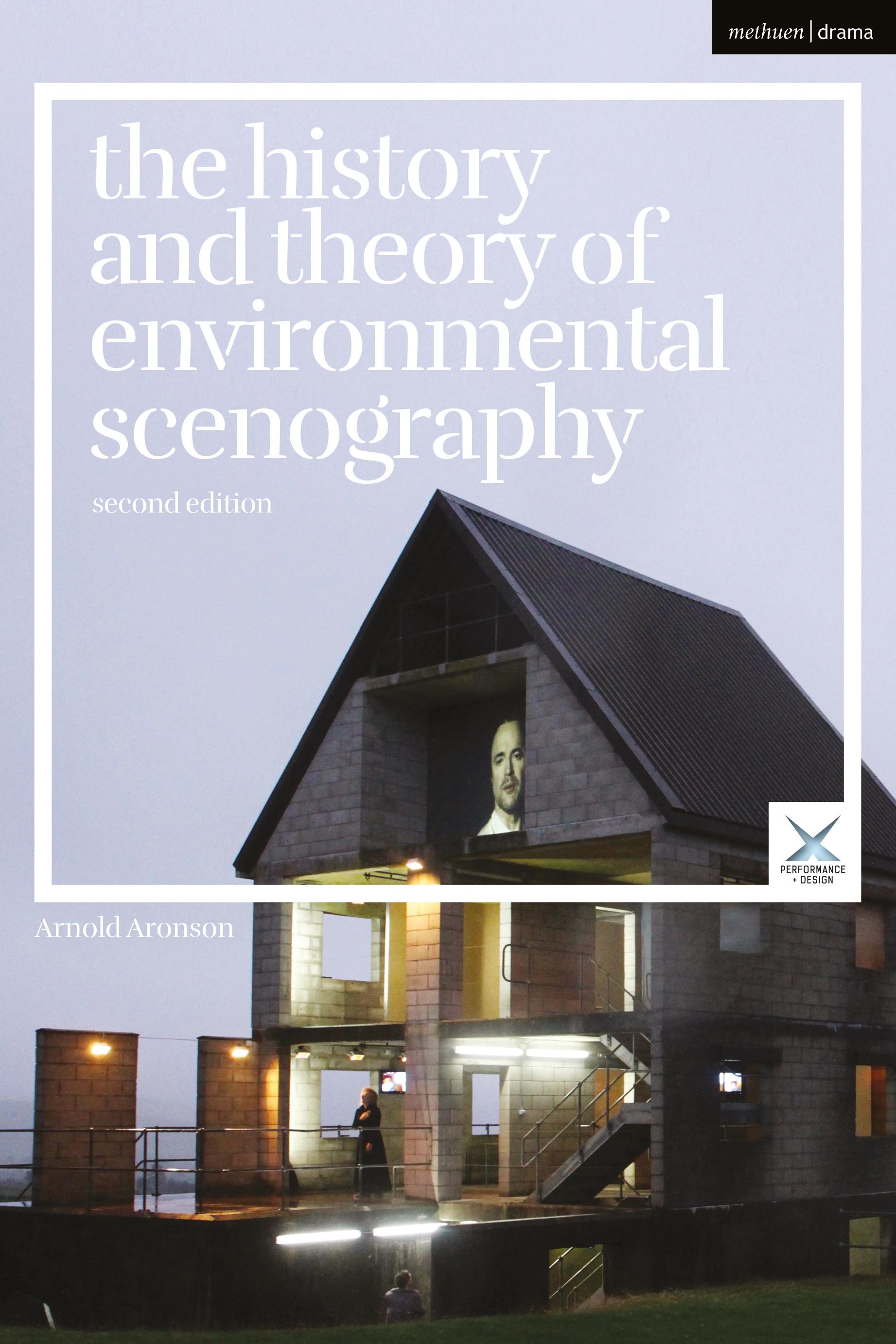
A classic work of theatre history and criticism when first published, Arnold Aronson's formative study surveyed the phenomenon known as environmental theatre. Now updated in this richly illustrated second edition to reflect developments and practice since the 1980s, it offers readers a comprehensive study of the theatre practice which has evolved to become the dominant mode of much contemporary innovative performance.
For most audiences, particularly in the Western tradition, theatre means going to a building in which seats face a stage on which actors perform a play. But there has always been a vital alternative that came to be known as environmental theatre. Whether in folk performances, street theatre, avant-garde performance, utopian architecture, Happenings, mass spectacles, or contemporary immersive theatre, the relationship of the spectator to the performance has been one in which the audience is surrounded or immersed in a shared space, in which the multiple events may be happening simultaneously, and in which the experience of theatrical space is visceral and often kinetic. This book examines the history of this phenomenon and looks at a range of contemporary practice.
New chapters examine how the 'transformed spaces' of earlier work have become the interactive and immersive productions that characterize the work of companies such as Punchdrunk, dreamthinkspeak, Teatro da Vertigem, En Garde Arts, and The Industry, among others. Updated to take account of the burgeoning scholarship on the subject, The History and Theory of Environmental Scenography remains the authoritative account that illuminates present day theatre practice and its antecedents.
For most audiences, particularly in the Western tradition, theatre means going to a building in which seats face a stage on which actors perform a play. But there has always been a vital alternative that came to be known as environmental theatre. Whether in folk performances, street theatre, avant-garde performance, utopian architecture, Happenings, mass spectacles, or contemporary immersive theatre, the relationship of the spectator to the performance has been one in which the audience is surrounded or immersed in a shared space, in which the multiple events may be happening simultaneously, and in which the experience of theatrical space is visceral and often kinetic. This book examines the history of this phenomenon and looks at a range of contemporary practice.
New chapters examine how the 'transformed spaces' of earlier work have become the interactive and immersive productions that characterize the work of companies such as Punchdrunk, dreamthinkspeak, Teatro da Vertigem, En Garde Arts, and The Industry, among others. Updated to take account of the burgeoning scholarship on the subject, The History and Theory of Environmental Scenography remains the authoritative account that illuminates present day theatre practice and its antecedents.
Sider: 272
Kategori: Drama, Teater & Scenkonst
e-ISBN: 9781474283984
Forsendelsesvægt: 1.2 kg
Sendes inden for: 1-2 dage
Betal nemt med kort, Klarna, Apple Pay eller Google Pay. Ikke tilfreds? Du har altid 14 dages fortrydelsesret. Læs mere i vores vilkår. Har du spørgsmål, så send os en mail på hello@memmo.org.
Memmo gør det nemmere at studere – uanset hvor du er i verden. Hos os samler du dine kursusbøger og smarte studieværktøjer ét sted: resuméer, quizzer, podcasts og flashcards. Og så er der Ted, din studieven, der svarer på alt, du undrer dig over. Over 50 000 studerende studerer allerede her – bygget til at hjælpe dig med at lære hurtigere og stresse mindre.