
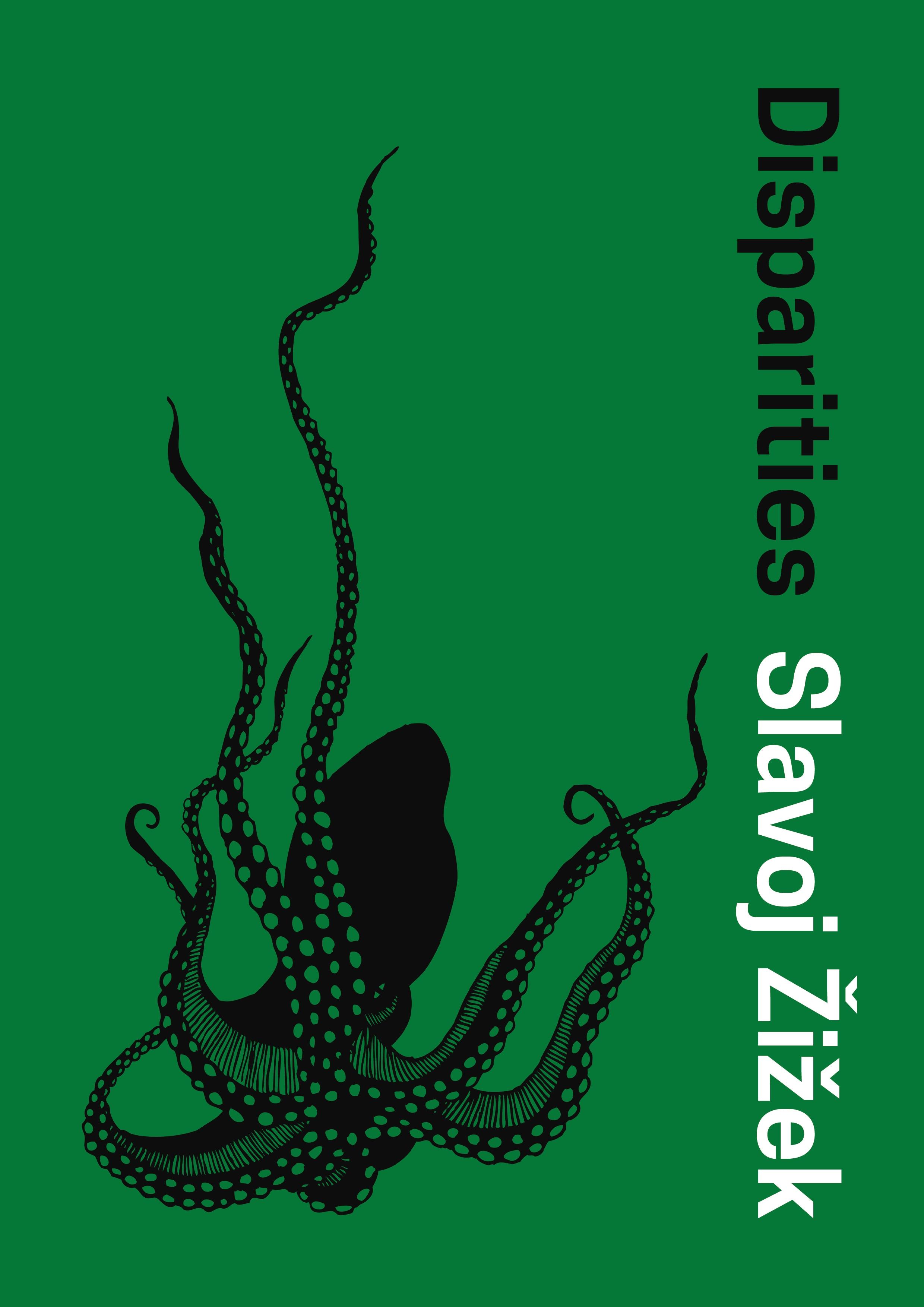
The concept of disparity has long been a topic of obsession and argument for philosophers but Slavoj Žižek would argue that what disparity and negativity could mean, might mean and should mean for us and our lives has never been more hotly debated.
Disparities explores contemporary 'negative' philosophies from Catherine Malabou's plasticity, Julia Kristeva's abjection and Robert Pippin's self-consciousness to the God of negative theology, new realisms and post-humanism and draws a radical line under them. Instead of establishing a dialogue with these other ideas of disparity, Slavoj Žižek wants to establish a definite departure, a totally different idea of disparity based on an imaginative dialectical materialism. This notion of rupturing what has gone before is based on a provocative reading of how philosophers can, if they're honest, engage with each other. Slavoj Žižek borrows Alain Badiou's notion that a true idea is the one that divides. Radically departing from previous formulations of negativity and disparity, Žižek employs a new kind of negativity: namely positing that when a philosopher deals with another philosopher, his or her stance is never one of dialogue, but one of division, of drawing a line that separates truth from falsity.
Disparities explores contemporary 'negative' philosophies from Catherine Malabou's plasticity, Julia Kristeva's abjection and Robert Pippin's self-consciousness to the God of negative theology, new realisms and post-humanism and draws a radical line under them. Instead of establishing a dialogue with these other ideas of disparity, Slavoj Žižek wants to establish a definite departure, a totally different idea of disparity based on an imaginative dialectical materialism. This notion of rupturing what has gone before is based on a provocative reading of how philosophers can, if they're honest, engage with each other. Slavoj Žižek borrows Alain Badiou's notion that a true idea is the one that divides. Radically departing from previous formulations of negativity and disparity, Žižek employs a new kind of negativity: namely positing that when a philosopher deals with another philosopher, his or her stance is never one of dialogue, but one of division, of drawing a line that separates truth from falsity.
Betal nemt med kort, Klarna, Apple Pay eller Google Pay. Ikke tilfreds? Du har altid 14 dages fortrydelsesret. Læs mere i vores vilkår. Har du spørgsmål, så send os en mail på hello@memmo.org.
Memmo gør det nemmere at studere – uanset hvor du er i verden. Hos os samler du dine kursusbøger og smarte studieværktøjer ét sted: resuméer, quizzer, podcasts og flashcards. Og så er der Ted, din studieven, der svarer på alt, du undrer dig over. Over 50 000 studerende studerer allerede her – bygget til at hjælpe dig med at lære hurtigere og stresse mindre.