
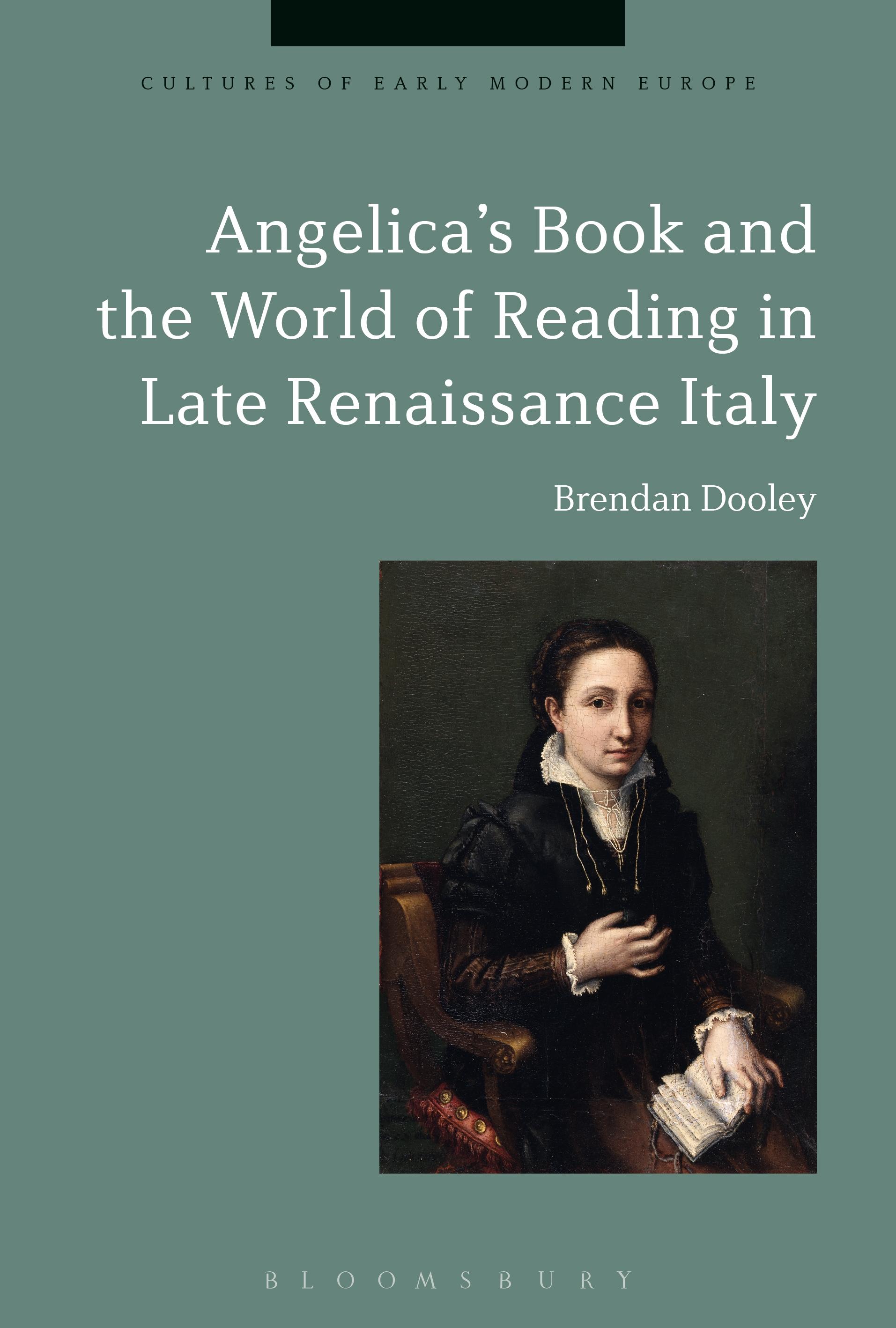
Through the lens of a history of material culture mediated by an object, Angelica's Book and the World of Reading in Late Renaissance Italy investigates aspects of women's lives, culture, ideas and the history of the book in early modern Italy.
Inside a badly damaged copy of Straparola's 16th-century work, Piacevoli Notti, acquired in a Florentine antique shop in 2010, an inscription is found, attributing ownership to a certain Angelica Baldachini. The discovery sets in motion a series of inquiries, deploying knowledge about calligraphy, orthography, linguistics, dialectology and the socio-psychology of writing, to reveal the person behind the name. Focusing as much on the possible owner as upon the thing owned, Angelica's Book examines the genesis of the Piacevoli Notti and its many editions, including the one in question. The intertwined stories of the book and its owner are set against the backdrop of a Renaissance world, still imperfectly understood, in which literature and reading were subject to regimes of control; and the new information throws aspects of this world into further relief, especially in regard to women's involvement with reading, books and knowledge. The inquiry yields unexpected insights concerning the logic of accidental discovery, the nature of evidence, and the mission of the humanities in a time of global crisis.
Angelica's Book and the World of Reading in Late Renaissance Italy is a thought-provoking read for any scholar of early modern Europe and its culture.
Inside a badly damaged copy of Straparola's 16th-century work, Piacevoli Notti, acquired in a Florentine antique shop in 2010, an inscription is found, attributing ownership to a certain Angelica Baldachini. The discovery sets in motion a series of inquiries, deploying knowledge about calligraphy, orthography, linguistics, dialectology and the socio-psychology of writing, to reveal the person behind the name. Focusing as much on the possible owner as upon the thing owned, Angelica's Book examines the genesis of the Piacevoli Notti and its many editions, including the one in question. The intertwined stories of the book and its owner are set against the backdrop of a Renaissance world, still imperfectly understood, in which literature and reading were subject to regimes of control; and the new information throws aspects of this world into further relief, especially in regard to women's involvement with reading, books and knowledge. The inquiry yields unexpected insights concerning the logic of accidental discovery, the nature of evidence, and the mission of the humanities in a time of global crisis.
Angelica's Book and the World of Reading in Late Renaissance Italy is a thought-provoking read for any scholar of early modern Europe and its culture.
Betal nemt med kort, Klarna, Apple Pay eller Google Pay. Ikke tilfreds? Du har altid 14 dages fortrydelsesret. Læs mere i vores vilkår. Har du spørgsmål, så send os en mail på hello@memmo.org.
Memmo gør det nemmere at studere – uanset hvor du er i verden. Hos os samler du dine kursusbøger og smarte studieværktøjer ét sted: resuméer, quizzer, podcasts og flashcards. Og så er der Ted, din studieven, der svarer på alt, du undrer dig over. Over 50 000 studerende studerer allerede her – bygget til at hjælpe dig med at lære hurtigere og stresse mindre.