
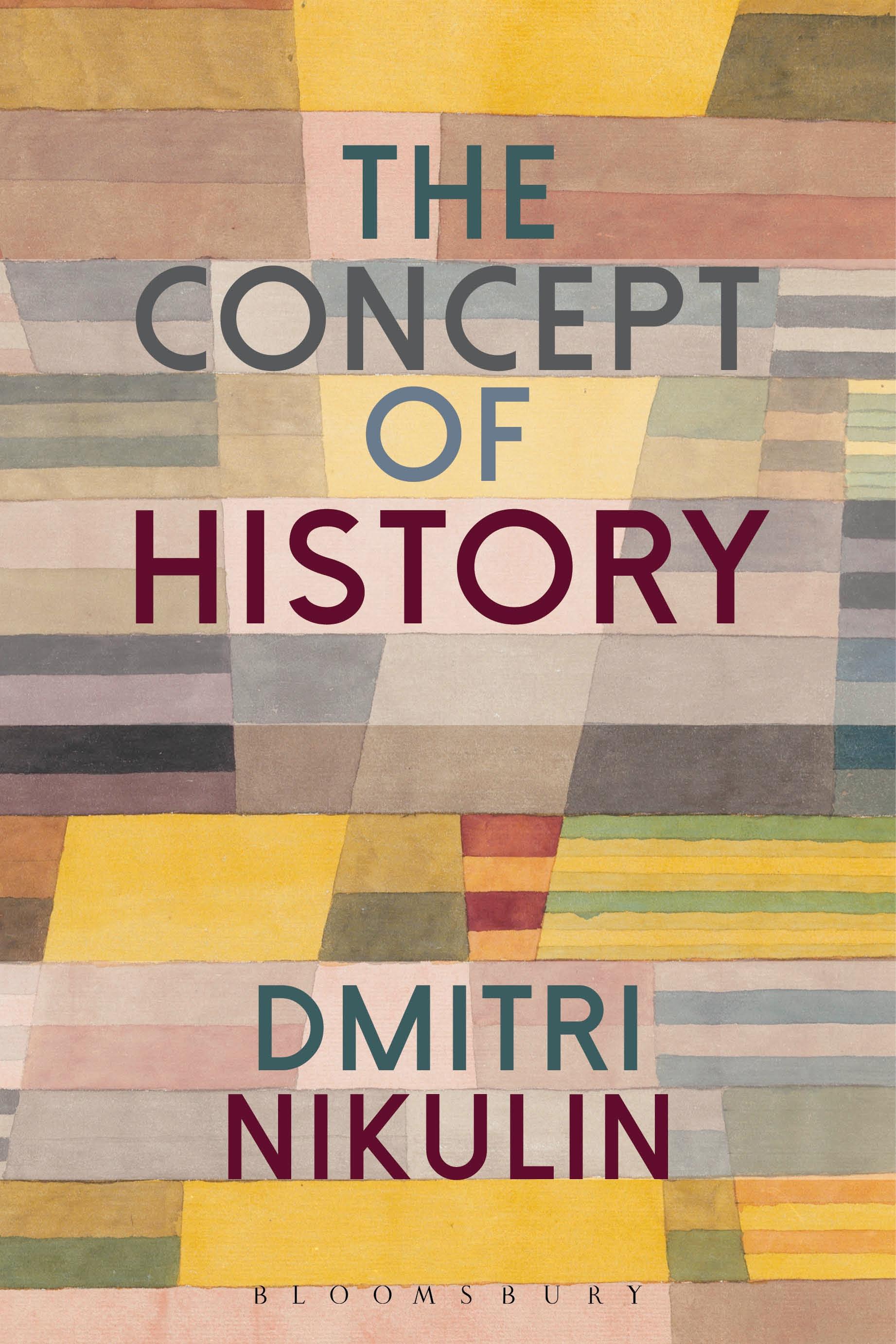
The Concept of History reflects on the presuppositions behind the contemporary understanding of history that often remain implicit and not spelled out. It is a critique of the modern understanding of history that presents it as universal and teleological, progressively moving forward to an end. Although few contemporary philosophers and historians maintain the view that there is strict universality and teleology in history, the remnants of these positions still affect our understanding of history. But if history is not universal and singular, evolving toward an objective universal end, it should be possible to admit of multiple histories, some of which we appropriate as our own.
An another important aspect of this book is that if provides an account of history that is itself both historical and rooted in attempts to narrate and explain history from its inception in antiquity. The book seeks to establish features or constituents of history that might be found in any historical account and might themselves be considered historical invariants in history.
An another important aspect of this book is that if provides an account of history that is itself both historical and rooted in attempts to narrate and explain history from its inception in antiquity. The book seeks to establish features or constituents of history that might be found in any historical account and might themselves be considered historical invariants in history.
Betal nemt med kort, Klarna, Apple Pay eller Google Pay. Ikke tilfreds? Du har altid 14 dages fortrydelsesret. Læs mere i vores vilkår. Har du spørgsmål, så send os en mail på hello@memmo.org.
Memmo gør det nemmere at studere – uanset hvor du er i verden. Hos os samler du dine kursusbøger og smarte studieværktøjer ét sted: resuméer, quizzer, podcasts og flashcards. Og så er der Ted, din studieven, der svarer på alt, du undrer dig over. Over 50 000 studerende studerer allerede her – bygget til at hjælpe dig med at lære hurtigere og stresse mindre.