
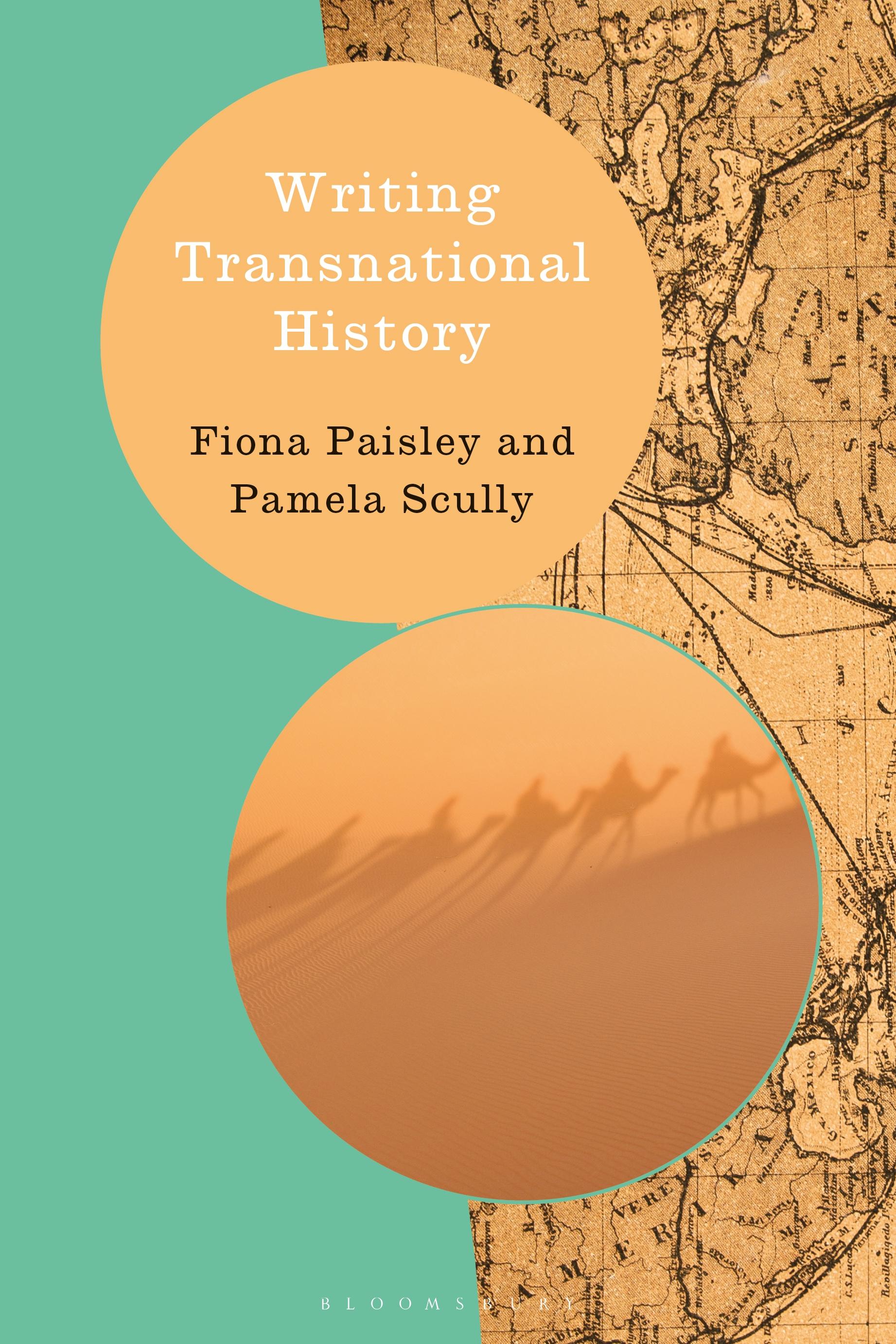
Over the past two decades, transnational history has become an established term describing approaches to the writing of world or global history that emphasise movement, dynamism and diversity. This book investigates the emergence of the 'transnational' as an approach, its limits, and parameters.
It focuses particular attention on the contributions of postcolonial and feminist studies in reformulating transnational historiography as a move beyond the national to one focusing on oceans, the movement of people, and the contributions of the margins. It ends with a consideration of developing approaches such as translocalism. The book considers the new kinds of history that need to be written now that the transnational perspective has become widespread. Providing an accessible and engaging chronology of the field, it will be key reading for students of historiography and world history.
It focuses particular attention on the contributions of postcolonial and feminist studies in reformulating transnational historiography as a move beyond the national to one focusing on oceans, the movement of people, and the contributions of the margins. It ends with a consideration of developing approaches such as translocalism. The book considers the new kinds of history that need to be written now that the transnational perspective has become widespread. Providing an accessible and engaging chronology of the field, it will be key reading for students of historiography and world history.
Betal nemt med kort, Klarna, Apple Pay eller Google Pay. Ikke tilfreds? Du har altid 14 dages fortrydelsesret. Læs mere i vores vilkår. Har du spørgsmål, så send os en mail på hello@memmo.org.
Memmo gør det nemmere at studere – uanset hvor du er i verden. Hos os samler du dine kursusbøger og smarte studieværktøjer ét sted: resuméer, quizzer, podcasts og flashcards. Og så er der Ted, din studieven, der svarer på alt, du undrer dig over. Over 50 000 studerende studerer allerede her – bygget til at hjælpe dig med at lære hurtigere og stresse mindre.