
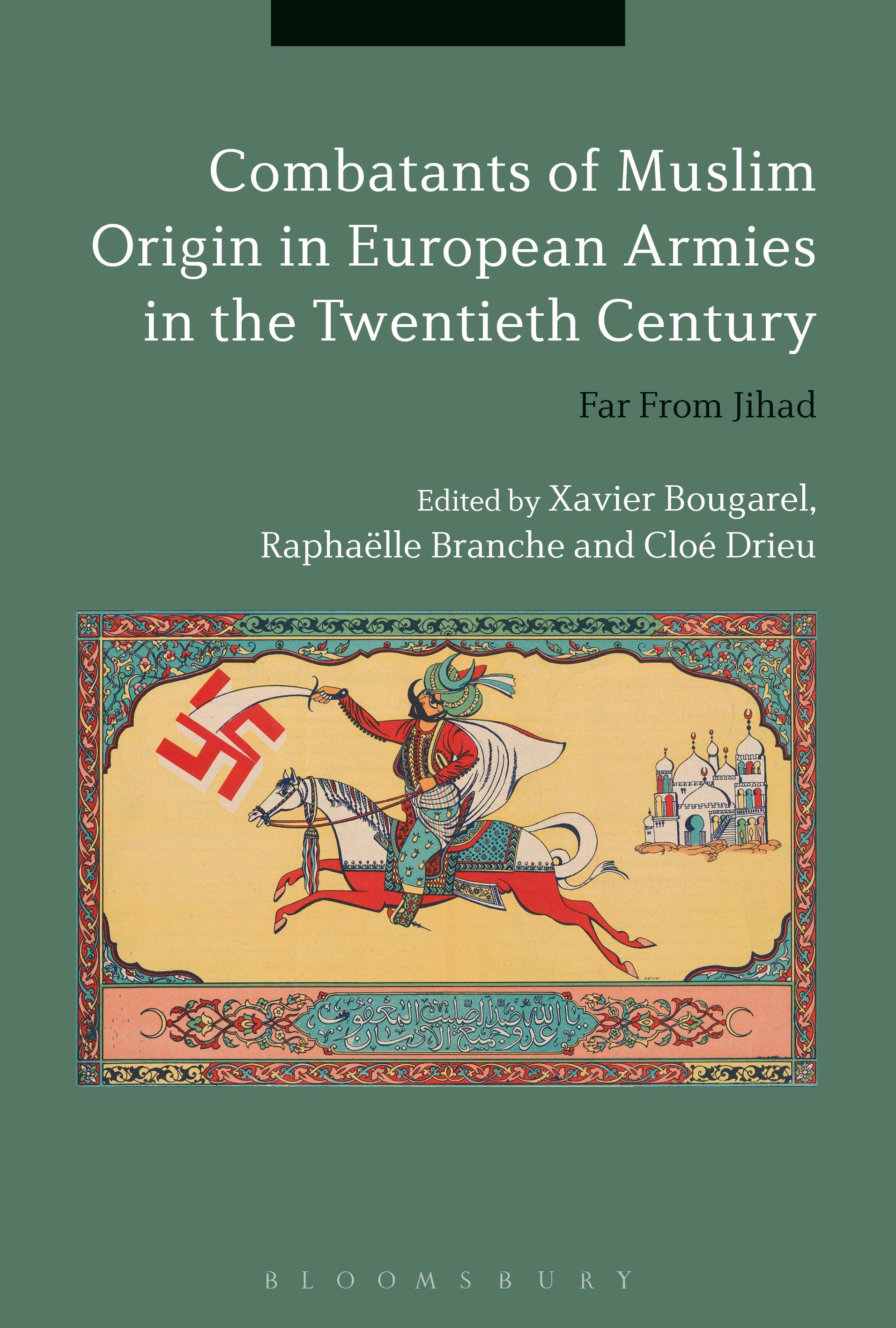
During the two World Wars that marked the 20th century, hundreds of thousands of non-European combatants fought in the ranks of various European armies. The majority of these soldiers were Muslims from North Africa, Sub-Saharan Africa, Central Asia, or the Indian Subcontinent.
How are these combatants considered in existing historiography? Over the past few decades, research on war has experienced a wide-reaching renewal, with increased emphasis on the social and cultural dimensions of war, and a desire to reconstruct the experience and viewpoint of the combatants themselves. This volume reintroduces the question of religious belonging and practice into the study of Muslim combatants in European armies in the 20th century, focusing on the combatants' viewpoint alongside that of the administrations and military hierarchy.
How are these combatants considered in existing historiography? Over the past few decades, research on war has experienced a wide-reaching renewal, with increased emphasis on the social and cultural dimensions of war, and a desire to reconstruct the experience and viewpoint of the combatants themselves. This volume reintroduces the question of religious belonging and practice into the study of Muslim combatants in European armies in the 20th century, focusing on the combatants' viewpoint alongside that of the administrations and military hierarchy.
Betal nemt med kort, Klarna, Apple Pay eller Google Pay. Ikke tilfreds? Du har altid 14 dages fortrydelsesret. Læs mere i vores vilkår. Har du spørgsmål, så send os en mail på hello@memmo.org.
Memmo gør det nemmere at studere – uanset hvor du er i verden. Hos os samler du dine kursusbøger og smarte studieværktøjer ét sted: resuméer, quizzer, podcasts og flashcards. Og så er der Ted, din studieven, der svarer på alt, du undrer dig over. Over 50 000 studerende studerer allerede her – bygget til at hjælpe dig med at lære hurtigere og stresse mindre.