
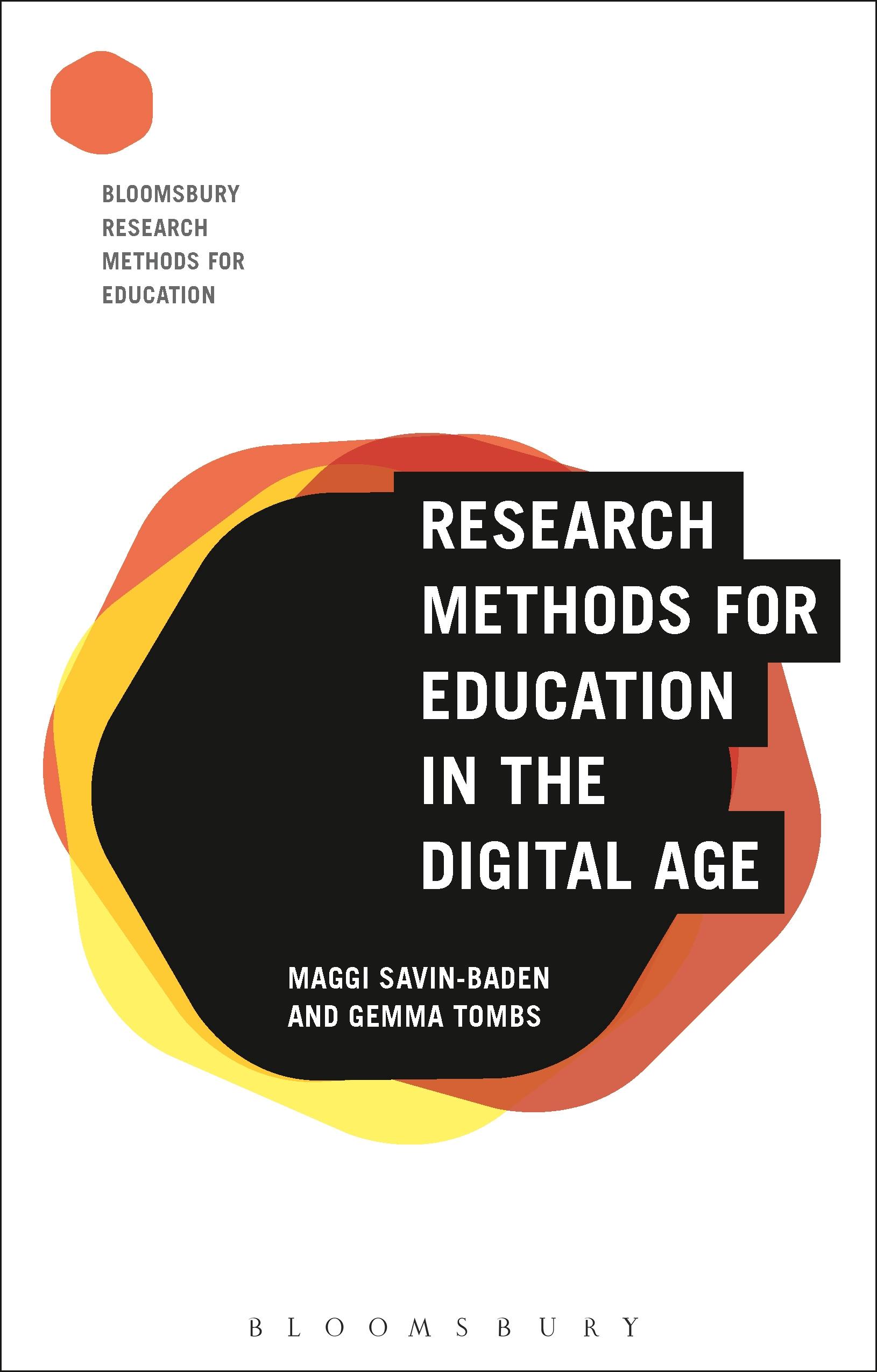
What is research in education? And what is it for in a digital age? Reflecting upon these questions, this engaging introduction provides critical discussion about the dilemmas of researching education in the digital age and ways forward for research in this complex area.
Research Methods for Education in the Digital Age begins by outlining forms of education that are seen as digital, such as virtual, blended, immersive learning and examining the extent to which these are different or just adapted versions of earlier methods and approaches to education. Maggi Savin-Baden and Gemma Tombs explore current practices in research, identifying the successful adoption and adaption of theories and present practical guidance on new and emerging methodologies, methods, and analytical practices for undertaking educational research. New methodologies discussed include digital arts-based inquiry and digital visual methodologies, as well as adaptations of widely used methodologies such as ethnography, for the specific needs of researching digital teaching and learning.
The book outlines the major challenges faced by today's digital researchers, exploring approaches to digital ethics, the relationship between qualitative and quantitative data in the digital age, digital data representations and portrayal and suggests helpful ways of dealing with the complexities and ethical challenges of undertaking research in and for digital spaces. Using case studies, research tips, a glossary and annotated further reading, the authors take a step by step approach from conceptualizing the research ideas, selecting the appropriate method to the dissemination of the findings.
At a time when education is changing rapidly with digital and technological advances, Research Methods for Education in the Digital Age is essential reading for researchers wanting to undertake sound and rigorous research in the digital domain.
Research Methods for Education in the Digital Age begins by outlining forms of education that are seen as digital, such as virtual, blended, immersive learning and examining the extent to which these are different or just adapted versions of earlier methods and approaches to education. Maggi Savin-Baden and Gemma Tombs explore current practices in research, identifying the successful adoption and adaption of theories and present practical guidance on new and emerging methodologies, methods, and analytical practices for undertaking educational research. New methodologies discussed include digital arts-based inquiry and digital visual methodologies, as well as adaptations of widely used methodologies such as ethnography, for the specific needs of researching digital teaching and learning.
The book outlines the major challenges faced by today's digital researchers, exploring approaches to digital ethics, the relationship between qualitative and quantitative data in the digital age, digital data representations and portrayal and suggests helpful ways of dealing with the complexities and ethical challenges of undertaking research in and for digital spaces. Using case studies, research tips, a glossary and annotated further reading, the authors take a step by step approach from conceptualizing the research ideas, selecting the appropriate method to the dissemination of the findings.
At a time when education is changing rapidly with digital and technological advances, Research Methods for Education in the Digital Age is essential reading for researchers wanting to undertake sound and rigorous research in the digital domain.
Betal nemt med kort, Klarna, Apple Pay eller Google Pay. Ikke tilfreds? Du har altid 14 dages fortrydelsesret. Læs mere i vores vilkår. Har du spørgsmål, så send os en mail på hello@memmo.org.
Memmo gør det nemmere at studere – uanset hvor du er i verden. Hos os samler du dine kursusbøger og smarte studieværktøjer ét sted: resuméer, quizzer, podcasts og flashcards. Og så er der Ted, din studieven, der svarer på alt, du undrer dig over. Over 50 000 studerende studerer allerede her – bygget til at hjælpe dig med at lære hurtigere og stresse mindre.