
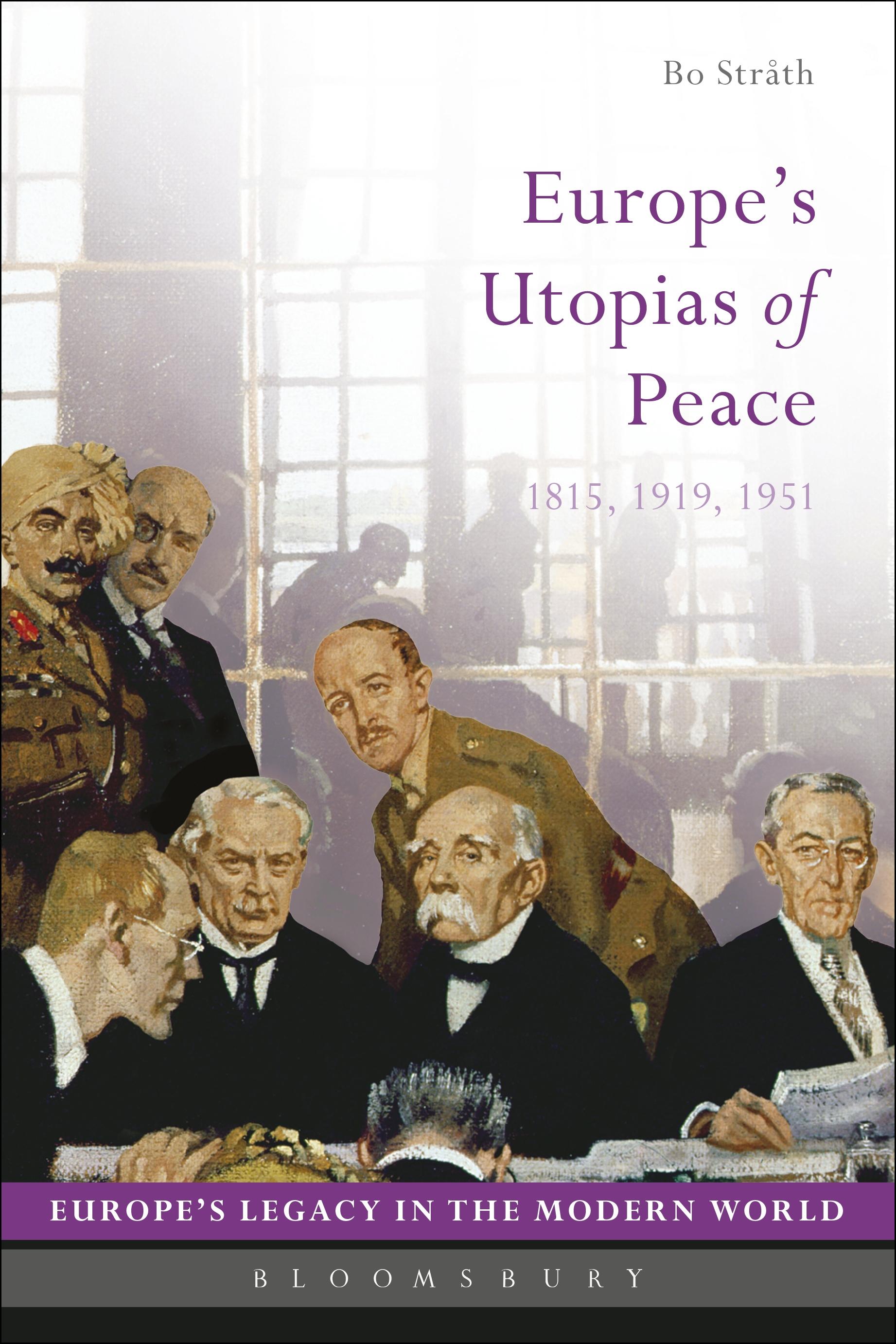
Europe's Utopias of Peace explores attempts to create a lasting European peace in the aftermath of the Napoleonic wars and the two world wars. The book charts the 250 year cycle of violent European conflicts followed by new utopian formulations for peace. The utopian illusion was that future was predictable and rules could prescribe behaviour in conflicts to come.
Bo Stråth examines the reiterative bicentenary cycle since 1815, where each new postwar period built on a design for a project for European unification. He sets out the key historical events and the continuous struggle with nationalism, linking them to legal, political and economic thought. Biographical sketches of the most prominent thinkers and actors provide the human element to this narrative.
Europe's Utopias of Peace presents a new perspective on the ideological, legal, economic and intellectual conditions that shaped Europe since the 19th century and presents this in a global context. It challenges the conventional narrative on Europe's past as a progressive enlightenment heritage, highlighting the ambiguities of the legacies that pervade the institutional structures of contemporary Europe. Its long-term historical perspective will be invaluable for students of contemporary Europe or modern European history.
Bo Stråth examines the reiterative bicentenary cycle since 1815, where each new postwar period built on a design for a project for European unification. He sets out the key historical events and the continuous struggle with nationalism, linking them to legal, political and economic thought. Biographical sketches of the most prominent thinkers and actors provide the human element to this narrative.
Europe's Utopias of Peace presents a new perspective on the ideological, legal, economic and intellectual conditions that shaped Europe since the 19th century and presents this in a global context. It challenges the conventional narrative on Europe's past as a progressive enlightenment heritage, highlighting the ambiguities of the legacies that pervade the institutional structures of contemporary Europe. Its long-term historical perspective will be invaluable for students of contemporary Europe or modern European history.
Betal nemt med kort, Klarna, Apple Pay eller Google Pay. Ikke tilfreds? Du har altid 14 dages fortrydelsesret. Læs mere i vores vilkår. Har du spørgsmål, så send os en mail på hello@memmo.org.
Memmo gør det nemmere at studere – uanset hvor du er i verden. Hos os samler du dine kursusbøger og smarte studieværktøjer ét sted: resuméer, quizzer, podcasts og flashcards. Og så er der Ted, din studieven, der svarer på alt, du undrer dig over. Over 50 000 studerende studerer allerede her – bygget til at hjælpe dig med at lære hurtigere og stresse mindre.