
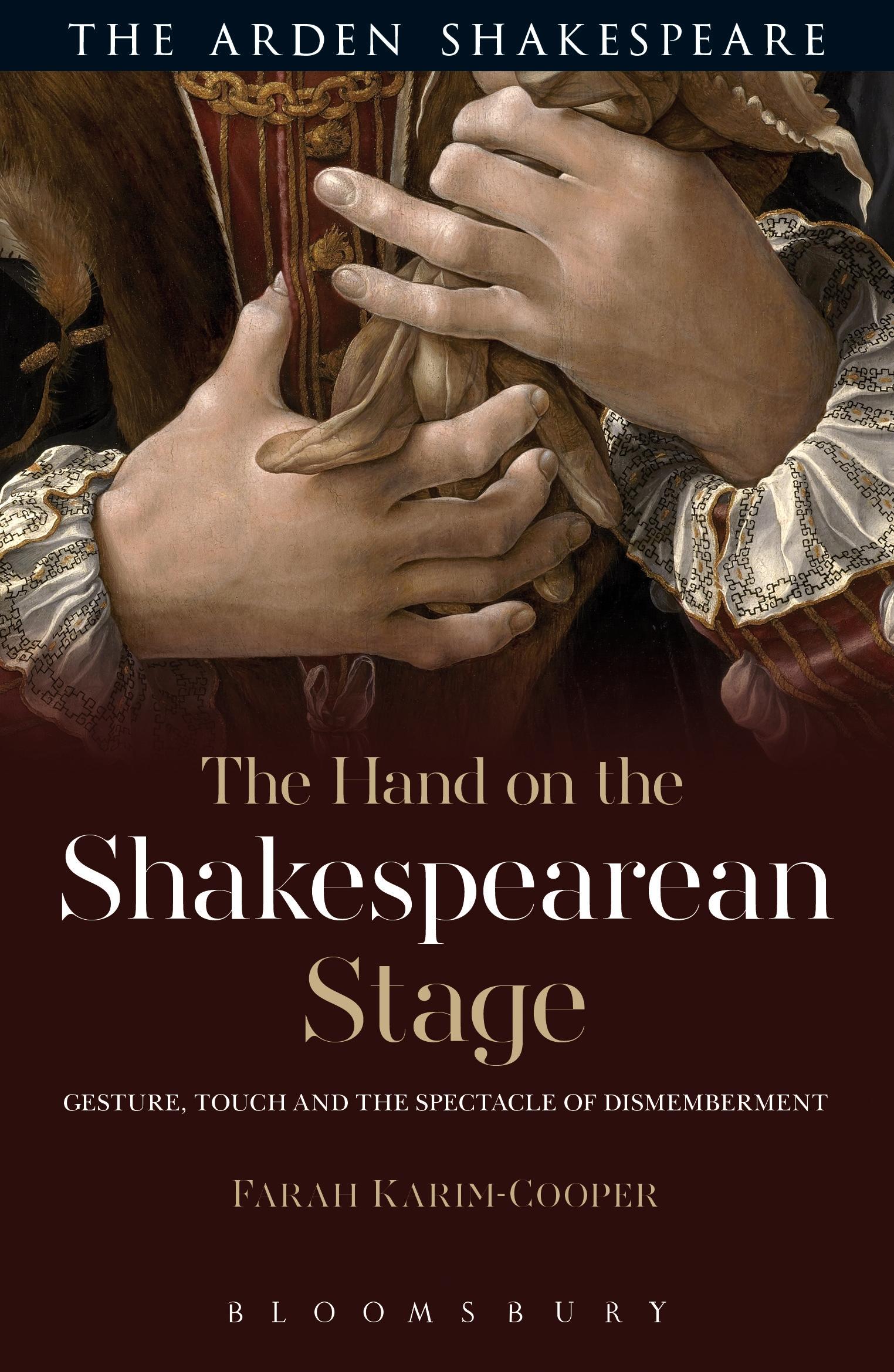
This ground-breaking new book uncovers the way Shakespeare draws upon the available literature and visual representations of the hand to inform his drama.
Providing an analysis of gesture, touch, skill and dismemberment in a range of Shakespeare's works, it shows how the hand was perceived in Shakespeare's time as an indicator of human agency, emotion, social and personal identity. It demonstrates how the hand and its activities are described and embedded in Shakespeare's texts and about its role on the Shakespearean stage: as part of the actor's body, in the language as metaphor, and as a morbid stage-prop. Understanding the cultural signifiers that lie behind the early modern understanding of the hand and gesture, opens up new and sometimes disturbing ways of reading and seeing Shakespeare's plays.
Providing an analysis of gesture, touch, skill and dismemberment in a range of Shakespeare's works, it shows how the hand was perceived in Shakespeare's time as an indicator of human agency, emotion, social and personal identity. It demonstrates how the hand and its activities are described and embedded in Shakespeare's texts and about its role on the Shakespearean stage: as part of the actor's body, in the language as metaphor, and as a morbid stage-prop. Understanding the cultural signifiers that lie behind the early modern understanding of the hand and gesture, opens up new and sometimes disturbing ways of reading and seeing Shakespeare's plays.
Betal nemt med kort, Klarna, Apple Pay eller Google Pay. Ikke tilfreds? Du har altid 14 dages fortrydelsesret. Læs mere i vores vilkår. Har du spørgsmål, så send os en mail på hello@memmo.org.
Memmo gør det nemmere at studere – uanset hvor du er i verden. Hos os samler du dine kursusbøger og smarte studieværktøjer ét sted: resuméer, quizzer, podcasts og flashcards. Og så er der Ted, din studieven, der svarer på alt, du undrer dig over. Over 50 000 studerende studerer allerede her – bygget til at hjælpe dig med at lære hurtigere og stresse mindre.