
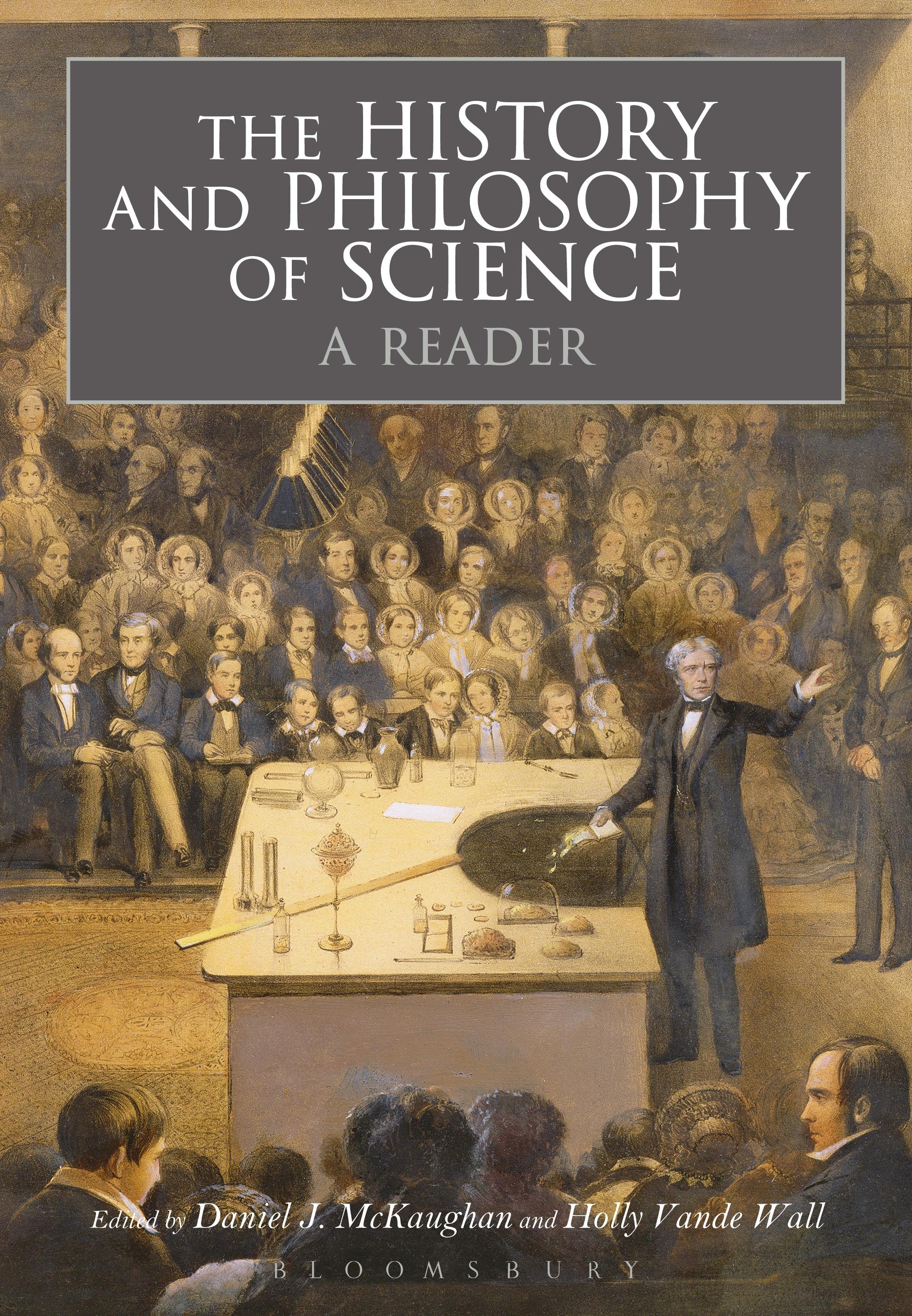
The History and Philosophy of Science: A Reader brings together seminal texts from antiquity to the end of the nineteenth century and makes them accessible in one volume for the first time.
With readings from Aristotle, Aquinas, Copernicus, Galileo, Descartes, Newton, Lavoisier, Linnaeus, Darwin, Faraday, and Maxwell, it analyses and discusses major classical, medieval and modern texts and figures from the natural sciences. Grouped by topic to clarify the development of methods and disciplines and the unification of theories, each section includes an introduction, suggestions for further reading and end-of-section discussion questions, allowing students to develop the skills needed to:
§ read, interpret, and critically engage with central problems and ideas from the history and philosophy of science
§ understand and evaluate scientific material found in a wide variety of professional and popular settings
§ appreciate the social and cultural context in which scientific ideas emerge
§ identify the roles that mathematics plays in scientific inquiry
Featuring primary sources in all the core scientific fields - astronomy, physics, chemistry, and the life sciences - The History and Philosophy of Science: A Reader is ideal for students looking to better understand the origins of natural science and the questions asked throughout its history. By taking a thematic approach to introduce influential assumptions, methods and answers, this reader illustrates the implications of an impressive range of values and ideas across the history and philosophy of Western science.
With readings from Aristotle, Aquinas, Copernicus, Galileo, Descartes, Newton, Lavoisier, Linnaeus, Darwin, Faraday, and Maxwell, it analyses and discusses major classical, medieval and modern texts and figures from the natural sciences. Grouped by topic to clarify the development of methods and disciplines and the unification of theories, each section includes an introduction, suggestions for further reading and end-of-section discussion questions, allowing students to develop the skills needed to:
§ read, interpret, and critically engage with central problems and ideas from the history and philosophy of science
§ understand and evaluate scientific material found in a wide variety of professional and popular settings
§ appreciate the social and cultural context in which scientific ideas emerge
§ identify the roles that mathematics plays in scientific inquiry
Featuring primary sources in all the core scientific fields - astronomy, physics, chemistry, and the life sciences - The History and Philosophy of Science: A Reader is ideal for students looking to better understand the origins of natural science and the questions asked throughout its history. By taking a thematic approach to introduce influential assumptions, methods and answers, this reader illustrates the implications of an impressive range of values and ideas across the history and philosophy of Western science.
Betal nemt med kort, Klarna, Apple Pay eller Google Pay. Ikke tilfreds? Du har altid 14 dages fortrydelsesret. Læs mere i vores vilkår. Har du spørgsmål, så send os en mail på hello@memmo.org.
Memmo gør det nemmere at studere – uanset hvor du er i verden. Hos os samler du dine kursusbøger og smarte studieværktøjer ét sted: resuméer, quizzer, podcasts og flashcards. Og så er der Ted, din studieven, der svarer på alt, du undrer dig over. Over 50 000 studerende studerer allerede her – bygget til at hjælpe dig med at lære hurtigere og stresse mindre.