
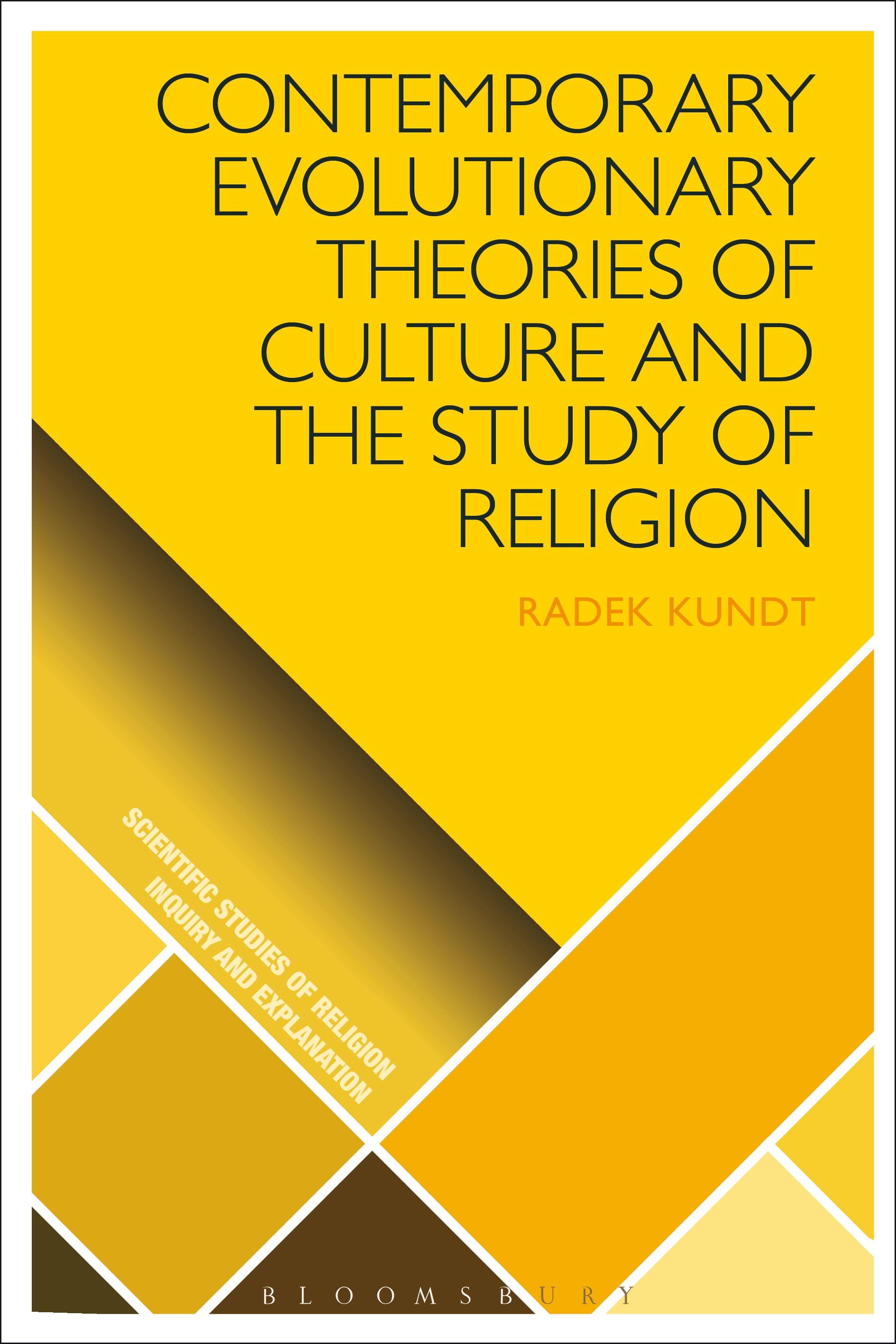
Radek Kundt compares the notion of evolution in cultural evolutionary theories with neo-Darwinian evolutionary theory to determine the value of the biological concept for studying culture.
Contemporary Evolutionary Theories of Culture and the Study of Religion surveys the historical background of cultural evolution as used in the study of religion, pinpointing major objections to classical nineteenth-century theories. Radek Kundt argues that contemporary theories of cultural evolution do not repeat the same mistakes but that when they are evaluated in terms of fitting the core requirements of neo-Darwinian natural selection, it is clear that they are not legitimate extensions of neo-Darwinian theory. Rather, they are poor metaphors and misleading analogies which add little to conventional cause-and-effect historiographical work.
This book also introduces an alternative evolutionary approach to the study of culture which does not claim that the principles of neo-Darwinian evolution should be applicable outside the biological domain. Radek Kundt shows that this alternative evolutionary approach nevertheless provides a deeply enriching line of enquiry that incorporates both biological evolutionary history as shaping cultural change and culture as a force acting on the gene.
Contemporary Evolutionary Theories of Culture and the Study of Religion surveys the historical background of cultural evolution as used in the study of religion, pinpointing major objections to classical nineteenth-century theories. Radek Kundt argues that contemporary theories of cultural evolution do not repeat the same mistakes but that when they are evaluated in terms of fitting the core requirements of neo-Darwinian natural selection, it is clear that they are not legitimate extensions of neo-Darwinian theory. Rather, they are poor metaphors and misleading analogies which add little to conventional cause-and-effect historiographical work.
This book also introduces an alternative evolutionary approach to the study of culture which does not claim that the principles of neo-Darwinian evolution should be applicable outside the biological domain. Radek Kundt shows that this alternative evolutionary approach nevertheless provides a deeply enriching line of enquiry that incorporates both biological evolutionary history as shaping cultural change and culture as a force acting on the gene.
Betal nemt med kort, Klarna, Apple Pay eller Google Pay. Ikke tilfreds? Du har altid 14 dages fortrydelsesret. Læs mere i vores vilkår. Har du spørgsmål, så send os en mail på hello@memmo.org.
Memmo gør det nemmere at studere – uanset hvor du er i verden. Hos os samler du dine kursusbøger og smarte studieværktøjer ét sted: resuméer, quizzer, podcasts og flashcards. Og så er der Ted, din studieven, der svarer på alt, du undrer dig over. Over 50 000 studerende studerer allerede her – bygget til at hjælpe dig med at lære hurtigere og stresse mindre.