
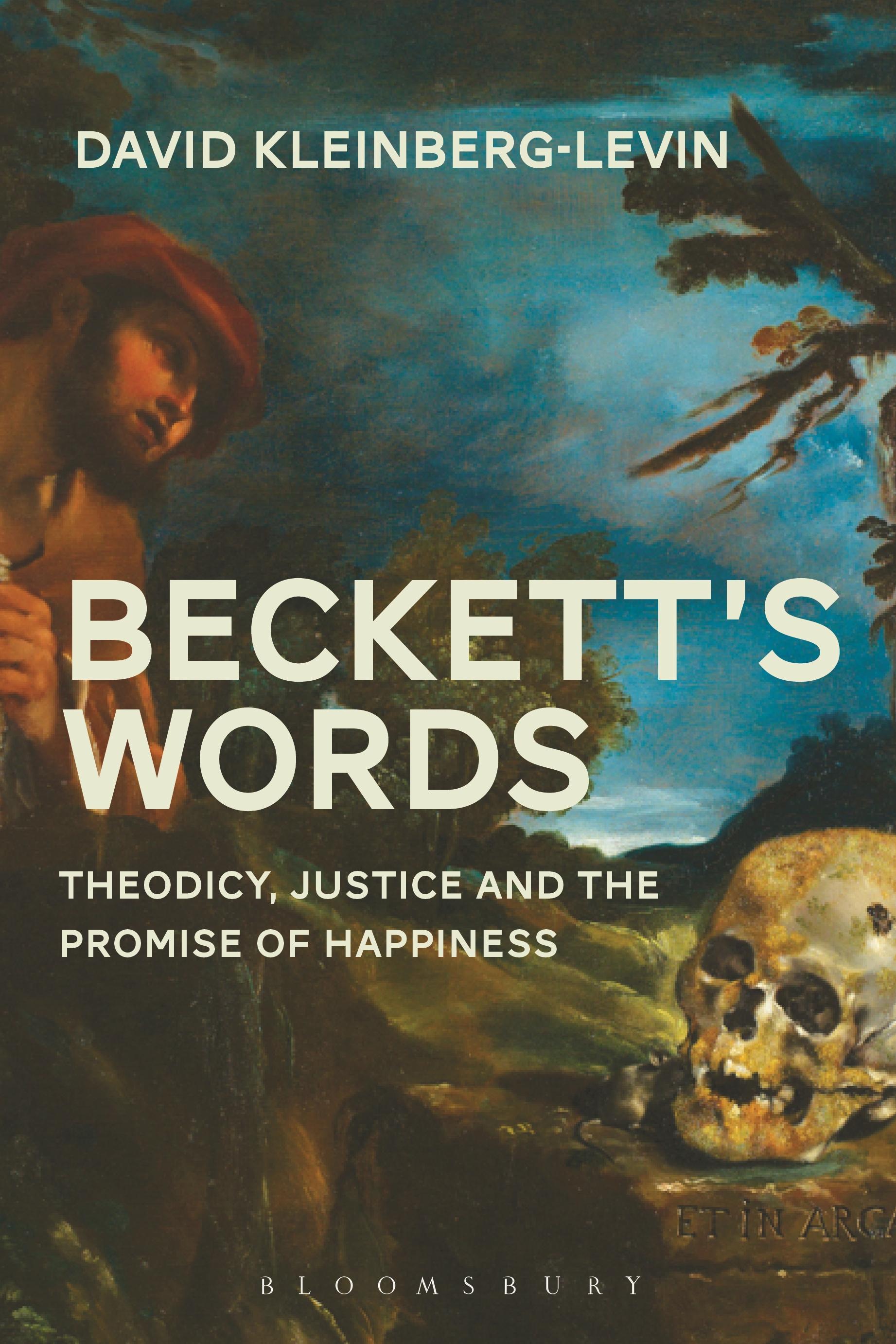
At stake in this book is a struggle with language in a time when our old faith in the redeeming of the word-and the word's power to redeem-has almost been destroyed. Drawing on Benjamin's political theology, his interpretation of the German Baroque mourning play, and Adorno's critical aesthetic theory, but also on the thought of poets and many other philosophers, especially Hegel's phenomenology of spirit, Nietzsche's analysis of nihilism, and Derrida's writings on language, Kleinberg-Levin shows how, because of its communicative and revelatory powers, language bears the utopian "promise of happiness," the idea of a secular redemption of humanity, at the very heart of which must be the achievement of universal justice. In an original reading of Beckett's plays, novels and short stories, Kleinberg-Levin shows how, despite inheriting a language damaged, corrupted and commodified, Beckett redeems dead or dying words and wrests from this language new possibilities for the expression of meaning. Without denying Beckett's nihilism, his picture of a radically disenchanted world, Kleinberg-Levin calls attention to moments when his words suddenly ignite and break free of their despair and pain, taking shape in the beauty of an austere yet joyous lyricism, suggesting that, after all, meaning is still possible.
Sider: 304
Kategori: Litteraturvetenskap & Teori
e-ISBN: 9781474216883
Forsendelsesvægt: 1.2 kg
Sendes inden for: 1-2 dage
Betal nemt med kort, Klarna, Apple Pay eller Google Pay. Ikke tilfreds? Du har altid 14 dages fortrydelsesret. Læs mere i vores vilkår. Har du spørgsmål, så send os en mail på hello@memmo.org.
Memmo gør det nemmere at studere – uanset hvor du er i verden. Hos os samler du dine kursusbøger og smarte studieværktøjer ét sted: resuméer, quizzer, podcasts og flashcards. Og så er der Ted, din studieven, der svarer på alt, du undrer dig over. Over 50 000 studerende studerer allerede her – bygget til at hjælpe dig med at lære hurtigere og stresse mindre.