
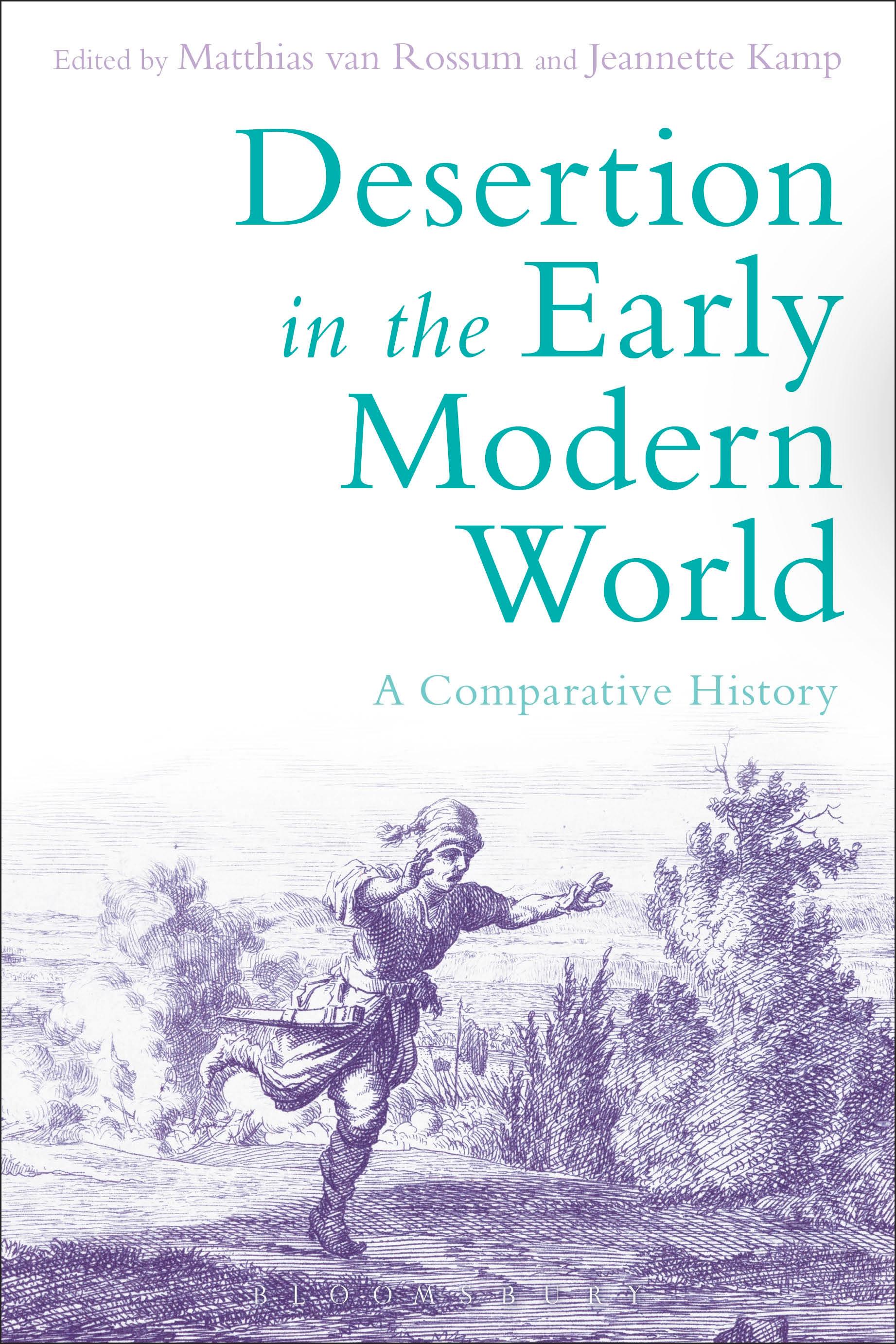
Early modern globalization was built on a highly labour intensive infrastructure. This book looks at the millions of workers who were needed to operate the ships, ports, store houses, forts and factories crucial to local and global exchange. These sailors, soldiers, craftsmen and slaves were crucial to globalization but were also confronted with the process of globalization themselves. They were often migrants who worked, directly or indirectly, for trading companies, merchants and producers that tried to discipline and control their labour force.
The contributors to this volume offer an integrated, thematic study of the global history of desertion in European, Atlantic and Asian contexts. By tracing and comparing acts and patterns of desertion across empires, economic systems, regions and types of workers, Desertion in the Early Modern World illuminates the crucial role of practices of desertion among workers in shaping the history of imperial and economic expansion in the early modern period.
The contributors to this volume offer an integrated, thematic study of the global history of desertion in European, Atlantic and Asian contexts. By tracing and comparing acts and patterns of desertion across empires, economic systems, regions and types of workers, Desertion in the Early Modern World illuminates the crucial role of practices of desertion among workers in shaping the history of imperial and economic expansion in the early modern period.
Betal nemt med kort, Klarna, Apple Pay eller Google Pay. Ikke tilfreds? Du har altid 14 dages fortrydelsesret. Læs mere i vores vilkår. Har du spørgsmål, så send os en mail på hello@memmo.org.
Memmo gør det nemmere at studere – uanset hvor du er i verden. Hos os samler du dine kursusbøger og smarte studieværktøjer ét sted: resuméer, quizzer, podcasts og flashcards. Og så er der Ted, din studieven, der svarer på alt, du undrer dig over. Over 50 000 studerende studerer allerede her – bygget til at hjælpe dig med at lære hurtigere og stresse mindre.