
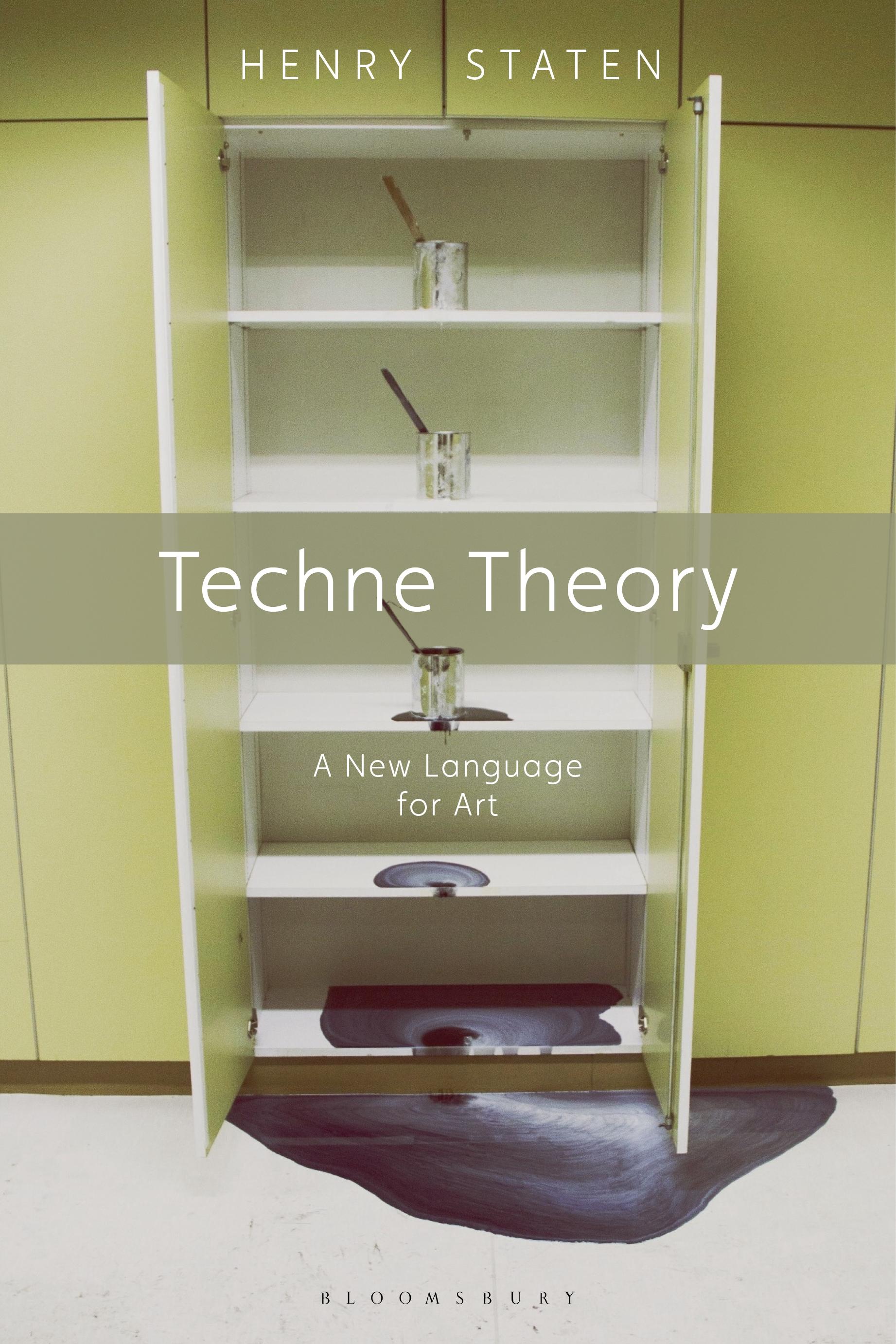
Only since the Romantic period has art been understood in terms of an ineffable aesthetic quality of things like poems, paintings, and sculptures, and the art-maker as endowed with an inexplicable power of creation. From the Greeks to the 18th century, art was conceived as techne--the skill and know-how by which things and states of affairs are ordered. Techne Theory shows how to use this concept to cut through the Romantic notion of art as a kind of magic by returning to the original sense of art as techne, the standpoint of the person who actually knows how to make a work of art.
Understood as techne, art-making, like all other cultural accomplishments, is a form of work performed by an artisan who has inherited the know-how of previous generations of artisans. Along the way, Techne Theory cuts through the humanist-structuralist impasse over the question of artistic agency and explains what 'form' really means.
Understood as techne, art-making, like all other cultural accomplishments, is a form of work performed by an artisan who has inherited the know-how of previous generations of artisans. Along the way, Techne Theory cuts through the humanist-structuralist impasse over the question of artistic agency and explains what 'form' really means.
Betal nemt med kort, Klarna, Apple Pay eller Google Pay. Ikke tilfreds? Du har altid 14 dages fortrydelsesret. Læs mere i vores vilkår. Har du spørgsmål, så send os en mail på hello@memmo.org.
Memmo gør det nemmere at studere – uanset hvor du er i verden. Hos os samler du dine kursusbøger og smarte studieværktøjer ét sted: resuméer, quizzer, podcasts og flashcards. Og så er der Ted, din studieven, der svarer på alt, du undrer dig over. Over 50 000 studerende studerer allerede her – bygget til at hjælpe dig med at lære hurtigere og stresse mindre.