
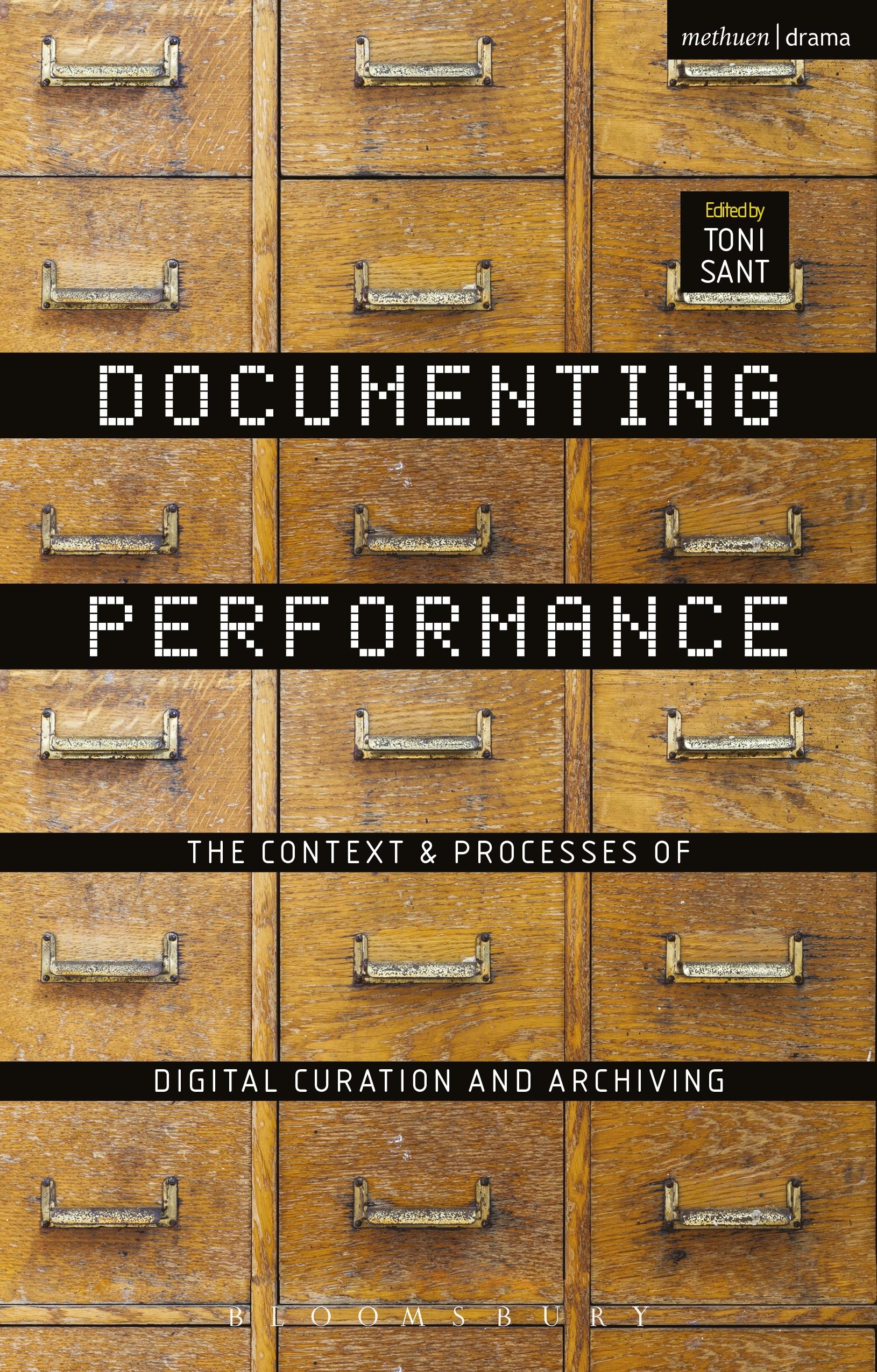
Performance in the digital age has undergone a radical shift in which a once ephemeral art form can now be relived, replayed and repeated. Until now, much scholarship has been devoted to the nature of live performance in the digital age; Documenting Performance is the first book to provide a collection of key writings about the process of documenting performance, focused not on questions of liveness or the artistic qualities of documents, but rather on the professional approaches to recovering, preserving and disseminating knowledge of live performance.
Through its four-part structure, the volume introduces readers to important writings by international practitioners and scholars on:
* the contemporary context for documenting performance
* processes of documenting performance
* documenting bodies in motion
* documenting to create
In each, chapters examine the ways performance is documented and the issues arising out of the process of documenting performance. While theorists have argued that performance becomes something else whenever it is documented, the writings reveal how the documents themselves cannot be regarded simply as incomplete remains from live events. The methods for preserving and managing them over time, ensuring easy access of such materials in systematic archives and collections, requires professional attention in its own right. Through the process of documenting performance, artists acquire a different perspective on their own work, audiences can recall specific images and sounds for works they have witnessed in person, and others who did not see the original work can trace the memories of particular events, or use them to gain an understanding of something that would otherwise remain unknown to them and their peers.
Through its four-part structure, the volume introduces readers to important writings by international practitioners and scholars on:
* the contemporary context for documenting performance
* processes of documenting performance
* documenting bodies in motion
* documenting to create
In each, chapters examine the ways performance is documented and the issues arising out of the process of documenting performance. While theorists have argued that performance becomes something else whenever it is documented, the writings reveal how the documents themselves cannot be regarded simply as incomplete remains from live events. The methods for preserving and managing them over time, ensuring easy access of such materials in systematic archives and collections, requires professional attention in its own right. Through the process of documenting performance, artists acquire a different perspective on their own work, audiences can recall specific images and sounds for works they have witnessed in person, and others who did not see the original work can trace the memories of particular events, or use them to gain an understanding of something that would otherwise remain unknown to them and their peers.
Betal nemt med kort, Klarna, Apple Pay eller Google Pay. Ikke tilfreds? Du har altid 14 dages fortrydelsesret. Læs mere i vores vilkår. Har du spørgsmål, så send os en mail på hello@memmo.org.
Memmo gør det nemmere at studere – uanset hvor du er i verden. Hos os samler du dine kursusbøger og smarte studieværktøjer ét sted: resuméer, quizzer, podcasts og flashcards. Og så er der Ted, din studieven, der svarer på alt, du undrer dig over. Over 50 000 studerende studerer allerede her – bygget til at hjælpe dig med at lære hurtigere og stresse mindre.