
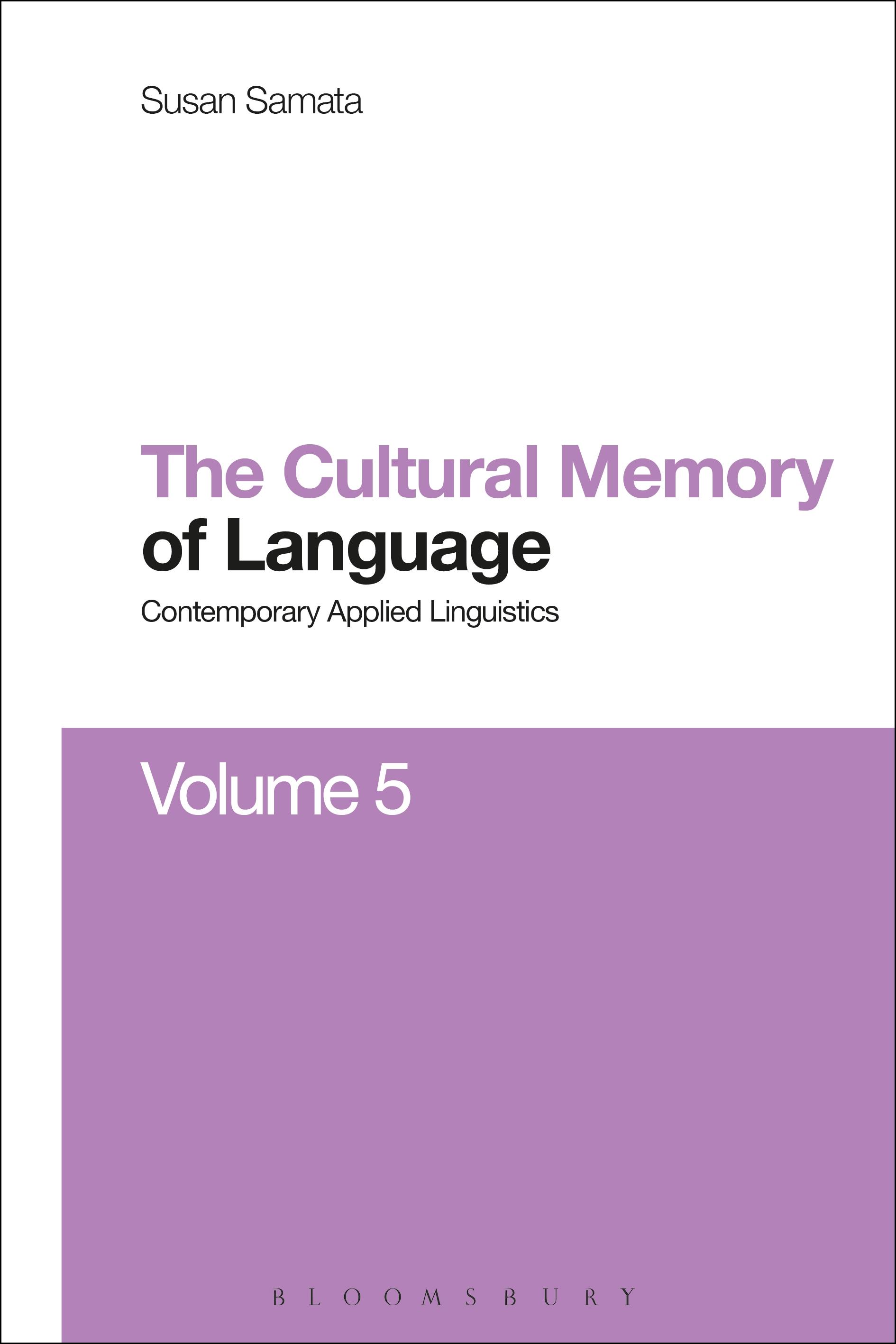
"I can't even speak my own language," were the words overheard in a college staffroom that triggered the writing of this book. Calling something 'my own' implies a personal, proprietorial relationship with it. But how can it be your own if you cannot speak it?
The Cultural Memory of Language looks at unintended monolingualism - a lack of language fluency in a migratory cultural situation where two or more languages exist at 'home'. It explores family history and childhood language acquisition and attrition. What is the present everyday experience of language use and life between two cultures? Examining interview data, Samata uncovers a sense of inauthenticity felt by people who do not fully share a parent's first language. Alongside this features a sense of concurrent anger, and a need to assign blame. Participation in the language, even to the extent of phatic or formulaic phraseology, occasions feelings of authentic linguistic and cultural inclusion. The book thus uncovers appreciable (and measurable) benefits in positive self-image and a sense of well-being. Looking at how people view language is essential - how they view the language they call their own is even more important and this book does just that in a qualified applied linguistic environment.
The Cultural Memory of Language looks at unintended monolingualism - a lack of language fluency in a migratory cultural situation where two or more languages exist at 'home'. It explores family history and childhood language acquisition and attrition. What is the present everyday experience of language use and life between two cultures? Examining interview data, Samata uncovers a sense of inauthenticity felt by people who do not fully share a parent's first language. Alongside this features a sense of concurrent anger, and a need to assign blame. Participation in the language, even to the extent of phatic or formulaic phraseology, occasions feelings of authentic linguistic and cultural inclusion. The book thus uncovers appreciable (and measurable) benefits in positive self-image and a sense of well-being. Looking at how people view language is essential - how they view the language they call their own is even more important and this book does just that in a qualified applied linguistic environment.
Betal nemt med kort, Klarna, Apple Pay eller Google Pay. Ikke tilfreds? Du har altid 14 dages fortrydelsesret. Læs mere i vores vilkår. Har du spørgsmål, så send os en mail på hello@memmo.org.
Memmo gør det nemmere at studere – uanset hvor du er i verden. Hos os samler du dine kursusbøger og smarte studieværktøjer ét sted: resuméer, quizzer, podcasts og flashcards. Og så er der Ted, din studieven, der svarer på alt, du undrer dig over. Over 50 000 studerende studerer allerede her – bygget til at hjælpe dig med at lære hurtigere og stresse mindre.