
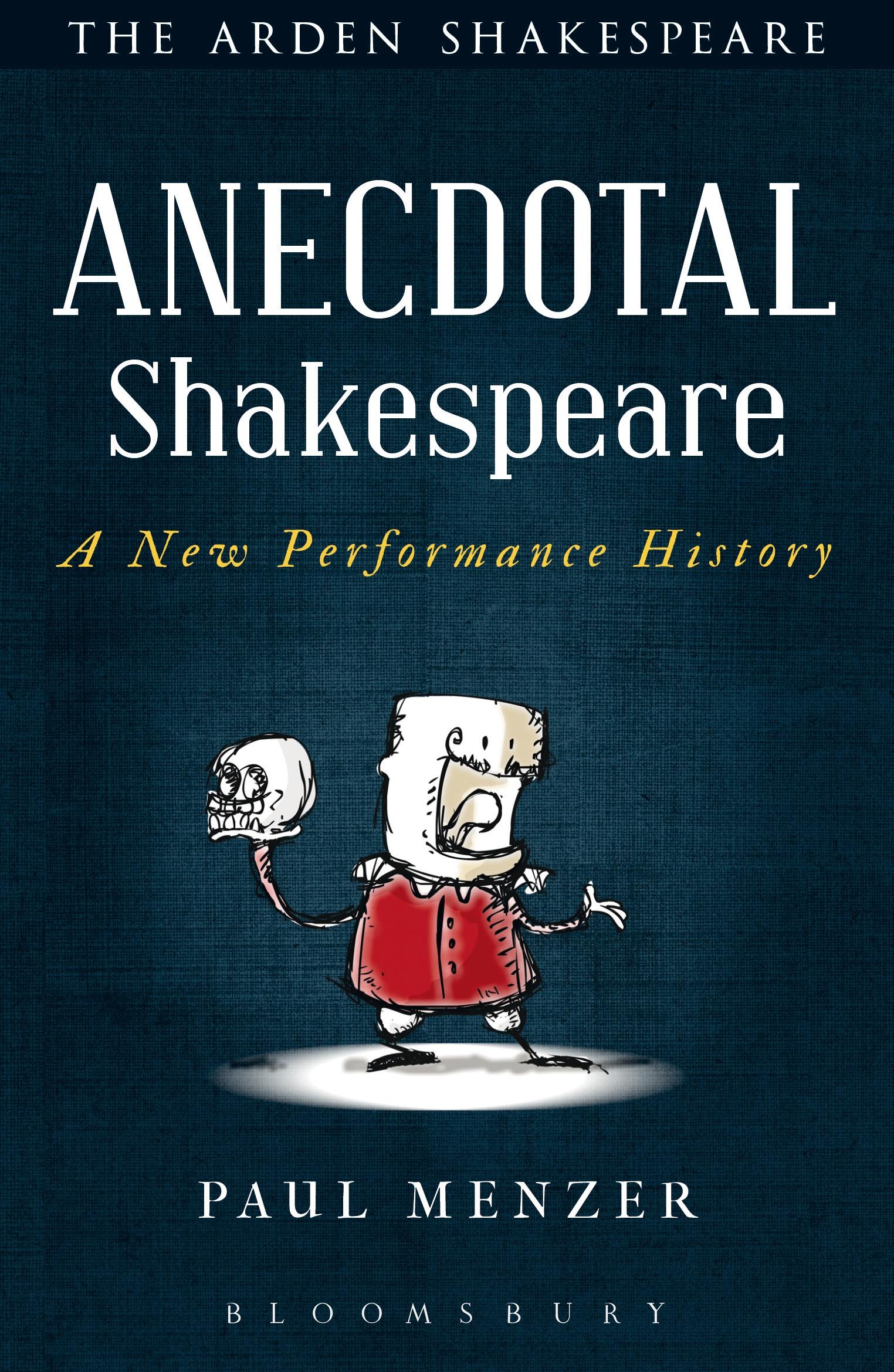
Shakespeare's four-hundred-year performance history is full of anecdotes – ribald, trivial, frequently funny, sometimes disturbing, and always but loosely allegiant to fact. Such anecdotes are nevertheless a vital index to the ways that Shakespeare's plays have generated meaning across varied times and in varied places. Furthermore, particular plays have produced particular anecdotes – stories of a real skull in Hamlet, superstitions about the name Macbeth, toga troubles in Julius Caesar – and therefore express something embedded in the plays they attend. Anecdotes constitute then not just a vital component of a play's performance history but a form of vernacular criticism by the personnel most intimately involved in their production: actors. These anecdotes are therefore every bit as responsive to and expressive of a play's meanings across time as the equally rich history of Shakespearean criticism or indeed the very performances these anecdotes treat. Anecdotal Shakespeare provides a history of post-Renaissance Shakespeare and performance, one not based in fact but no less full of truth.
Betal nemt med kort, Klarna, Apple Pay eller Google Pay. Ikke tilfreds? Du har altid 14 dages fortrydelsesret. Læs mere i vores vilkår. Har du spørgsmål, så send os en mail på hello@memmo.org.
Memmo gør det nemmere at studere – uanset hvor du er i verden. Hos os samler du dine kursusbøger og smarte studieværktøjer ét sted: resuméer, quizzer, podcasts og flashcards. Og så er der Ted, din studieven, der svarer på alt, du undrer dig over. Over 50 000 studerende studerer allerede her – bygget til at hjælpe dig med at lære hurtigere og stresse mindre.