
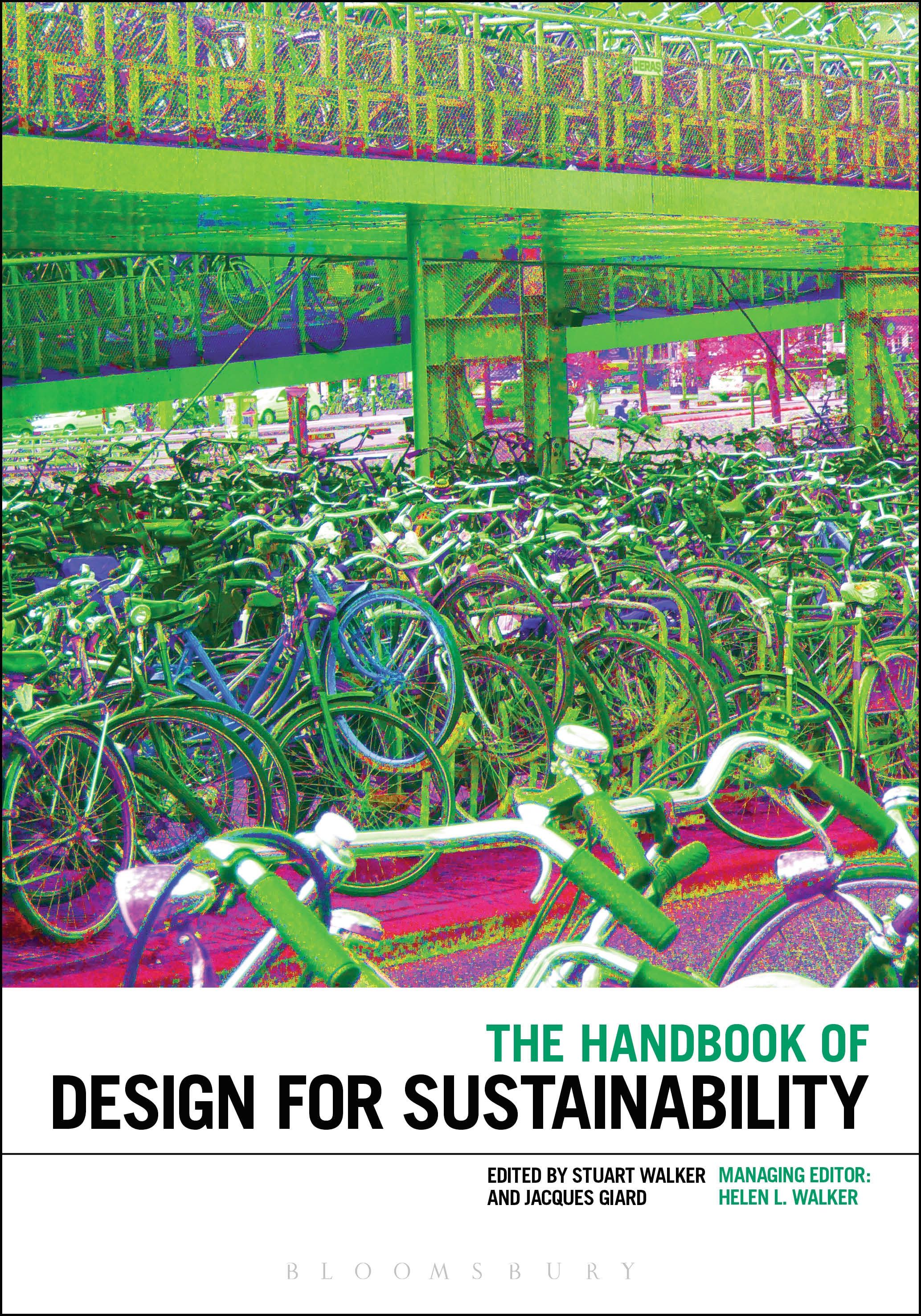
Sustainability has emerged as a central issue for contemporary societies and for the world community as a whole. Furthermore, many of the social and environmental concerns that are embodied in the term 'sustainability' are directly or indirectly related to design. Designers help to define our human made environment - how it is produced, how it is used, and how long it endures. Despite some forty years of development and increased awareness of the critical relationships that exist between design decisions and modes of production, energy use, environmental impacts, the nature of work and human exploitation, design for sustainability is still not widely understood or followed. The Handbook of Design for Sustainability presents a comprehensive, state-of-the-art overview of this crucial subject - its development, its methods, its practices and its potential futures.
Bringing together leading international scholars and new researchers to provide a substantive insight into the latest thinking and research within the field, The Handbook covers a breadth of historical and theoretical understandings and includes a series of original essays that explore methods and approaches for designers and design educators.
The Handbook presents the first systematic overview of the subject that, in addition to methods and examples, includes historical perspectives, philosophical approaches, business analyses, educational insights and emerging thinking. It is an invaluable resource for design researchers and students as well as design practitioners and private and public sector organizations wishing to develop more sustainable directions.
Bringing together leading international scholars and new researchers to provide a substantive insight into the latest thinking and research within the field, The Handbook covers a breadth of historical and theoretical understandings and includes a series of original essays that explore methods and approaches for designers and design educators.
The Handbook presents the first systematic overview of the subject that, in addition to methods and examples, includes historical perspectives, philosophical approaches, business analyses, educational insights and emerging thinking. It is an invaluable resource for design researchers and students as well as design practitioners and private and public sector organizations wishing to develop more sustainable directions.
Sider: 560
Kategori: Konst, Design & Fotografi
e-ISBN: 9781472539014
Forsendelsesvægt: 1.2 kg
Sendes inden for: 1-2 dage
Betal nemt med kort, Klarna, Apple Pay eller Google Pay. Ikke tilfreds? Du har altid 14 dages fortrydelsesret. Læs mere i vores vilkår. Har du spørgsmål, så send os en mail på hello@memmo.org.
Memmo gør det nemmere at studere – uanset hvor du er i verden. Hos os samler du dine kursusbøger og smarte studieværktøjer ét sted: resuméer, quizzer, podcasts og flashcards. Og så er der Ted, din studieven, der svarer på alt, du undrer dig over. Over 50 000 studerende studerer allerede her – bygget til at hjælpe dig med at lære hurtigere og stresse mindre.