
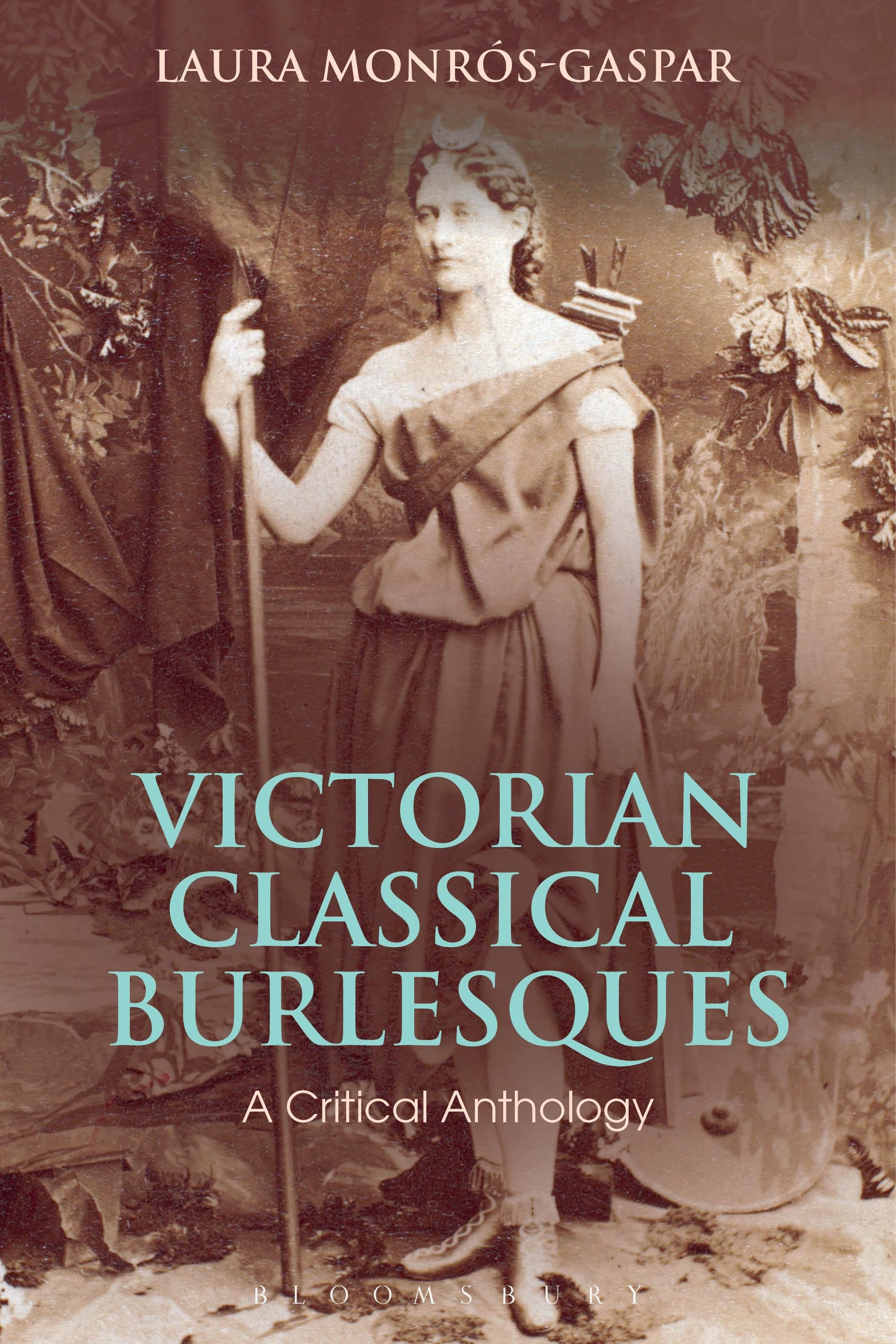
The Victorian classical burlesque was a popular theatrical genre of the mid-19th century. It parodied ancient tragedies with music, melodrama, pastiche, merciless satire and gender reversal. Immensely popular in its day, the genre was also intensely metatheatrical and carries significance for reception studies, the role and perception of women in Victorian society and the culture of artistic censorship.
This anthology contains the annotated text of four major classical burlesques: Antigone Travestie (1845) by Edward L. Blanchard, Medea; or, the Best of Mothers with a Brute of a Husband (1856) by Robert Brough, Alcestis; the Original Strong-Minded Woman (1850) and Electra in a New Electric Light (1859) by Francis Talfourd. The cultural and textual annotations highlight the changes made to the scripts from the manuscripts sent to the Lord Chamberlain's office and, by explaining the topical allusions and satire, elucidate elements of the burlesques' popular cultural milieu.
An in-depth critical introduction discusses the historical contexts of the plays' premieres and unveils the cultural processes behind the reception of the myths and original tragedies. As the burlesques combined spectacular effects with allusions to contemporary affairs, ambivalent and provocative attitudes to women, the plays represent an essential tool for reading the social history of the era.
This anthology contains the annotated text of four major classical burlesques: Antigone Travestie (1845) by Edward L. Blanchard, Medea; or, the Best of Mothers with a Brute of a Husband (1856) by Robert Brough, Alcestis; the Original Strong-Minded Woman (1850) and Electra in a New Electric Light (1859) by Francis Talfourd. The cultural and textual annotations highlight the changes made to the scripts from the manuscripts sent to the Lord Chamberlain's office and, by explaining the topical allusions and satire, elucidate elements of the burlesques' popular cultural milieu.
An in-depth critical introduction discusses the historical contexts of the plays' premieres and unveils the cultural processes behind the reception of the myths and original tragedies. As the burlesques combined spectacular effects with allusions to contemporary affairs, ambivalent and provocative attitudes to women, the plays represent an essential tool for reading the social history of the era.
Betal nemt med kort, Klarna, Apple Pay eller Google Pay. Ikke tilfreds? Du har altid 14 dages fortrydelsesret. Læs mere i vores vilkår. Har du spørgsmål, så send os en mail på hello@memmo.org.
Memmo gør det nemmere at studere – uanset hvor du er i verden. Hos os samler du dine kursusbøger og smarte studieværktøjer ét sted: resuméer, quizzer, podcasts og flashcards. Og så er der Ted, din studieven, der svarer på alt, du undrer dig over. Over 50 000 studerende studerer allerede her – bygget til at hjælpe dig med at lære hurtigere og stresse mindre.