
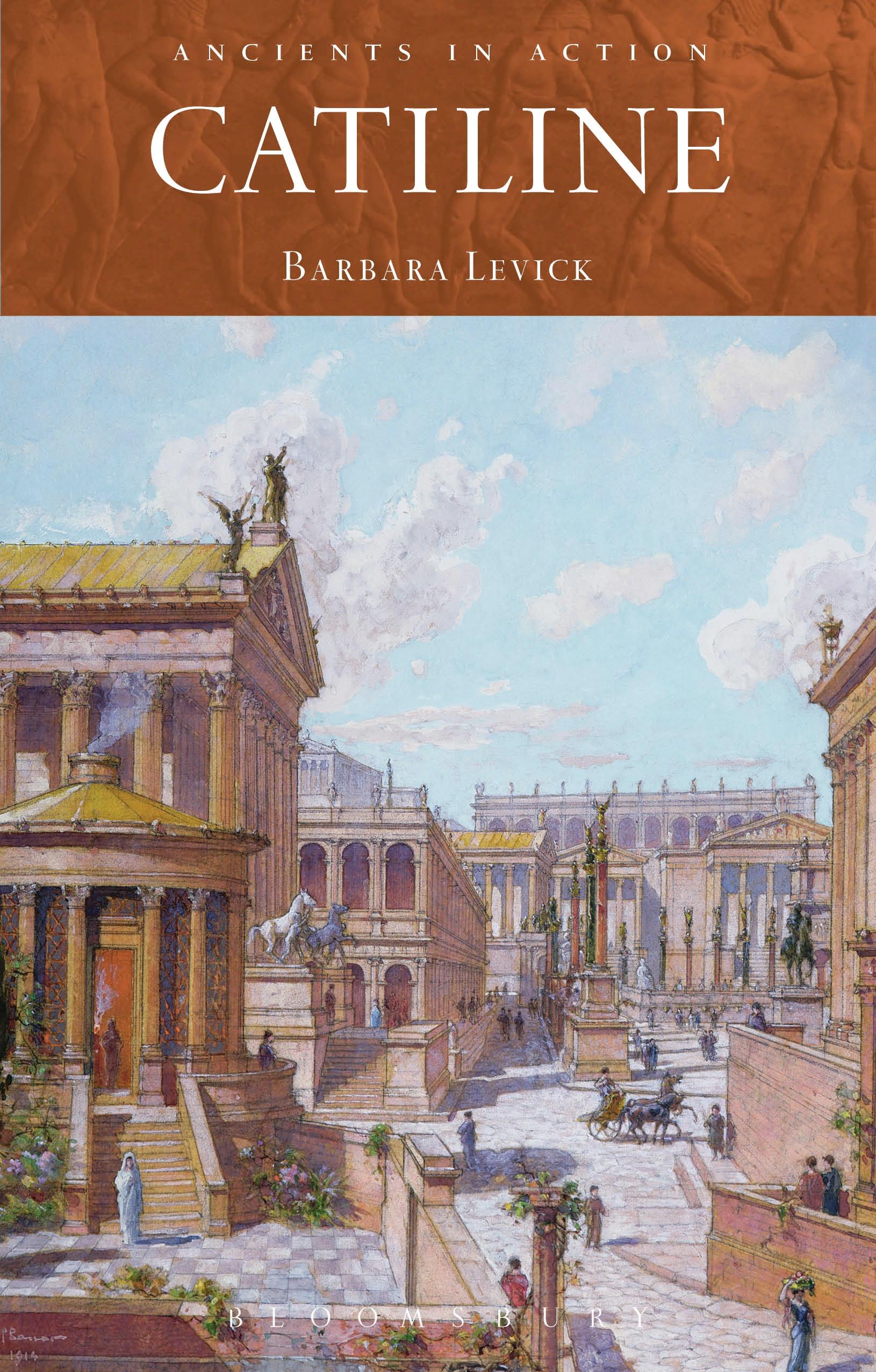
Like Guy Fawkes in early 17th-century Britain, L. Sergius Catilina was a threat to the constitution imposed on Rome by Sulla in the mid-1st century BC. His aim at first was to reach the consulship, the summit of power at Rome, by conventional means, but he lacked the money and support to win his way to the top, unlike two contemporaries of greater means and talent: the orator Cicero and the military man Pompey the Great.
Defeated for the third time, Catiline took to revolution with a substantial following: destitute farmers, impoverished landowners, discontented Italians and debtors of all kinds. But they could not stand up to the forces of law and order and the rebellion was quashed. For the controversy that still surrounds it, the personalities involved, the distinction of the writers such as Cicero and Sallust, who are our main sources of information for it, this episode remains one of the most significant in late Republican history.
This volume gives an energetic and appealing overview of the events, their sources, and the arguments of modern historians looking back at this controversial period. Accessible for students, but useful also for more experienced scholars, this is the perfect introduction not only to a specific historical episode, but also to the problems of tackling ancient sources as evidence.
Defeated for the third time, Catiline took to revolution with a substantial following: destitute farmers, impoverished landowners, discontented Italians and debtors of all kinds. But they could not stand up to the forces of law and order and the rebellion was quashed. For the controversy that still surrounds it, the personalities involved, the distinction of the writers such as Cicero and Sallust, who are our main sources of information for it, this episode remains one of the most significant in late Republican history.
This volume gives an energetic and appealing overview of the events, their sources, and the arguments of modern historians looking back at this controversial period. Accessible for students, but useful also for more experienced scholars, this is the perfect introduction not only to a specific historical episode, but also to the problems of tackling ancient sources as evidence.
Betal nemt med kort, Klarna, Apple Pay eller Google Pay. Ikke tilfreds? Du har altid 14 dages fortrydelsesret. Læs mere i vores vilkår. Har du spørgsmål, så send os en mail på hello@memmo.org.
Memmo gør det nemmere at studere – uanset hvor du er i verden. Hos os samler du dine kursusbøger og smarte studieværktøjer ét sted: resuméer, quizzer, podcasts og flashcards. Og så er der Ted, din studieven, der svarer på alt, du undrer dig over. Over 50 000 studerende studerer allerede her – bygget til at hjælpe dig med at lære hurtigere og stresse mindre.