
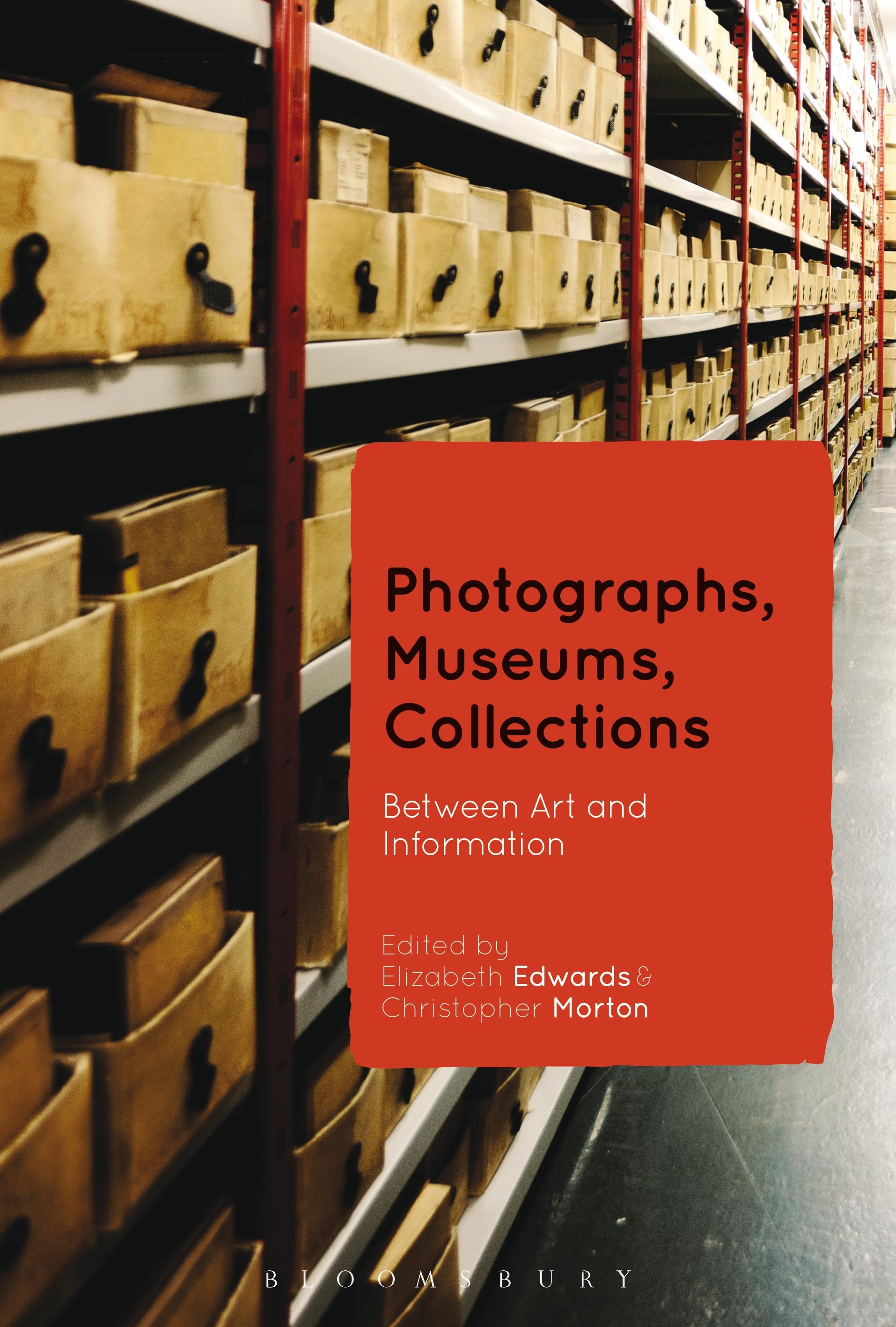
The status of photographs in the history of museum collections is a complex one. From its very beginnings the double capacity of photography - as a tool for making a visual record on the one hand and an aesthetic form in its own right on the other - has created tensions about its place in the hierarchy of museum objects. While major collections of 'art' photography have grown in status and visibility, photographs not designated 'art' are often invisible in museums. Yet almost every museum has photographs as part of its ecosystem, gathered as information, corroboration or documentation, shaping the understanding of other classes of objects, and many of these collections remain uncatalogued and their significance unrecognised.
This volume presents a series of case studies on the historical collecting and usage of photographs in museums. Using critically informed empirical investigation, it explores substantive and historiographical questions such as what is the historical patterning in the way photographs have been produced, collected and retained by museums? How do categories of the aesthetic and evidential shape the history of collecting photographs? What has been the work of photographs in museums? What does an understanding of photograph collections add to our understanding of collections history more broadly? What are the methodological demands of research on photograph collections?
The case studies cover a wide range of museums and collection types, from art galleries to maritime museums, national collections to local history museums, and international perspectives including Cuba, France, Germany, New Zealand, South Africa and the UK. Together they offer a fascinating insight into both the history of collections and collecting, and into the practices and poetics of archives across a range of disciplines, including the history of science, museum studies, archaeology and anthropology.
This volume presents a series of case studies on the historical collecting and usage of photographs in museums. Using critically informed empirical investigation, it explores substantive and historiographical questions such as what is the historical patterning in the way photographs have been produced, collected and retained by museums? How do categories of the aesthetic and evidential shape the history of collecting photographs? What has been the work of photographs in museums? What does an understanding of photograph collections add to our understanding of collections history more broadly? What are the methodological demands of research on photograph collections?
The case studies cover a wide range of museums and collection types, from art galleries to maritime museums, national collections to local history museums, and international perspectives including Cuba, France, Germany, New Zealand, South Africa and the UK. Together they offer a fascinating insight into both the history of collections and collecting, and into the practices and poetics of archives across a range of disciplines, including the history of science, museum studies, archaeology and anthropology.
Sider: 272
Kategori: Konst, Design & Fotografi
e-ISBN: 9781472527332
Forsendelsesvægt: 1.2 kg
Sendes inden for: 1-2 dage
Betal nemt med kort, Klarna, Apple Pay eller Google Pay. Ikke tilfreds? Du har altid 14 dages fortrydelsesret. Læs mere i vores vilkår. Har du spørgsmål, så send os en mail på hello@memmo.org.
Memmo gør det nemmere at studere – uanset hvor du er i verden. Hos os samler du dine kursusbøger og smarte studieværktøjer ét sted: resuméer, quizzer, podcasts og flashcards. Og så er der Ted, din studieven, der svarer på alt, du undrer dig over. Over 50 000 studerende studerer allerede her – bygget til at hjælpe dig med at lære hurtigere og stresse mindre.