
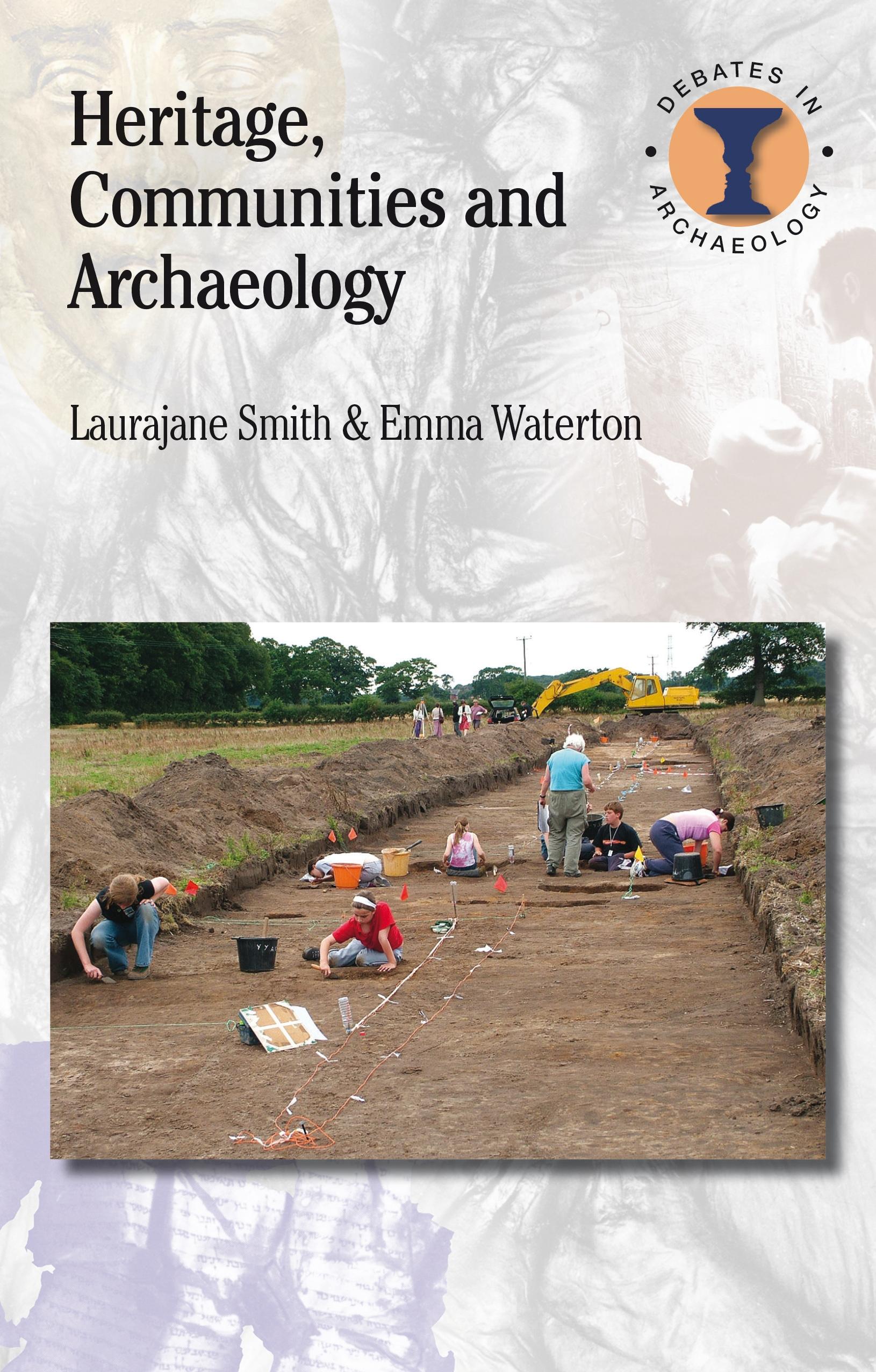
This book traces the development of 'community archaeology', identifying both its advantages and disadvantages by describing how and why tensions have arisen between archaeological and community understandings of the past. The focus of this book is the conceptual disjunction between heritage and data and the problems this poses for both archaeologists and communities in communicating and engaging with each other. In order to explain the extent of the miscommunication that can occur, the authors examine the ways in which a range of community groups, including communities of expertise, define and negotiate memory and identity. Importantly, they explore the ways in which these expressions are used, or are taken up, in struggles over cultural recognition - and ultimately, the practical, ethical, political and theoretical implications this has for archaeologists engaging in community work. Finally, they argue that there are very real advantages for archaeological research, theory and practice to be gained from engaging with communities.
Betal nemt med kort, Klarna, Apple Pay eller Google Pay. Ikke tilfreds? Du har altid 14 dages fortrydelsesret. Læs mere i vores vilkår. Har du spørgsmål, så send os en mail på hello@memmo.org.
Memmo gør det nemmere at studere – uanset hvor du er i verden. Hos os samler du dine kursusbøger og smarte studieværktøjer ét sted: resuméer, quizzer, podcasts og flashcards. Og så er der Ted, din studieven, der svarer på alt, du undrer dig over. Over 50 000 studerende studerer allerede her – bygget til at hjælpe dig med at lære hurtigere og stresse mindre.